Can I do ballet if I have tight hips from sitting all day?
Yes, absolutely. In fact, ballet is an excellent antidote to 'desk body.' While sitting all day shortens your hip flexors and weakens your glutes, ballet focuses on lengthening those muscles and building functional mobility. You don't need to be flexible to start; ballet is the tool you use to gain that flexibility over time.
Yes, you can—and should—do ballet if you have tight hips from a sedentary lifestyle. Most adult dancers share this exact challenge. When you sit for eight hours a day, your hip flexors remain in a shortened state, while your glutes (the powerhouses of ballet) often become 'sleepy' or inactive. Ballet provides a structured way to reverse these effects by promoting upright alignment, active stretching, and targeted strengthening.
The "Desk Body" Challenge in Ballet
Sitting creates a specific anatomical pattern: tight hip flexors, a tucked or tilted pelvis, and weakened external rotators. In ballet, we need the opposite. We strive for a neutral pelvis and the ability to rotate the legs outward (turnout). If you try to force a perfect 180-degree turnout with tight hips, you might compensate by arching your back or putting pressure on your knees.
At Broche Ballet, we help you navigate this by prioritizing alignment over aesthetics. In our Absolute Beginners "Sticky Buns" Program, we teach you how to find a neutral pelvis first. This foundational step ensures that as you begin to move, you aren't fighting your own anatomy, but rather gently coaxing it into a more mobile state.
How Ballet Actually Fixes Tight Hips
Ballet isn't just about static stretching; it’s about functional mobility. Every tendu (extending the leg) and plié (bending the knees) works to balance the muscles around the hip joint.
- Active Lengthening: Unlike sitting, where the hip is passive, ballet requires you to engage the muscles while they are in a lengthened position. This builds "strength in length."
- Glute Activation: Proper turnout comes from the deep six lateral rotators in the hip. Programs like our Total Turnout Transformation (featuring 146 videos) focus specifically on waking up these muscles. When your glutes and rotators are strong, your hip flexors don't have to work as hard to stabilize you, which naturally allows them to release.
- Patience with Progress: Adult bodies require a different approach than children. Our library includes over 7,200 videos, many of which focus on "pre-hab" or mobility. For example, our 14-minute Standing Stretches are designed specifically for dancers who work in limited spaces or need a quick break from their desks to decompress the spine and hips.
Actionable Strategies for the Desk-Bound Dancer
If you’re coming straight from a conference call to the barre, your body needs a bridge between those two worlds.
- Don't Skip the Warm-Up: Use dynamic movements to tell your nervous system it’s time to move. A quick 10-minute routine using the 10-min Massage Gun Routine with Dr. Nina Geromel, P.T. can help release myofascial tension before you even start your first plié.
- Focus on the Standing Leg: Often, we worry about how high the working leg goes. However, the real hip-opening work happens in the standing leg. Keeping a stable, tall hip on the standing side helps stretch the hip flexors naturally.
- Use Floor Work: Sometimes gravity is your best friend. Our Gentle & Soft Beginner Flexibility videos include floor-lying stretches that allow your hip flexors to release without the stress of holding your body weight up.
Long-Term Mobility and Extensions
As you progress, you may dream of higher legs in the front or side. Tight hips can feel like a literal 'stop' in the joint. This is often where our Extensions Foundations for Higher Legs program comes in. By learning the mechanics of how the femur rotates within the hip socket, you can find extra space even if you feel "naturally stiff."
Ballet is a marathon, not a sprint. Your hips didn't get tight overnight, and they won't open up in a single class. But with the structured, adult-focused approach we provide—whether you are starting fresh or using our Gentle Return to Ballet after a Break program—you will find that your time at the barre makes your time at the desk much more comfortable. Your body is capable of change at any age; you just need to give it the right cues.
Next step
Related Videos
Watch classes and tutorials related to this topic
 14:08
14:08 Standing Stretches Follow-along (Great for Travel)
 9:28
9:28 10-min Massage Gun Routine
 21:32
21:32 Stretch and Relax -- Hips & Spine
 12:13
12:13 Gentle and Soft Beginner Flexibility and Stretching
 27:49
27:49 Full Body Conditioning with Dr. Nina Geromel, PT
 16:24
16:24 Turnout Stretch & Strength for Inner Thighs & Hip Mobilizations
 13:46
13:46 Hip Flexor & Hamstring Stretches
 13:48
13:48 Standing Flexibility for Hamstrings & Hip Flexors
More Programs
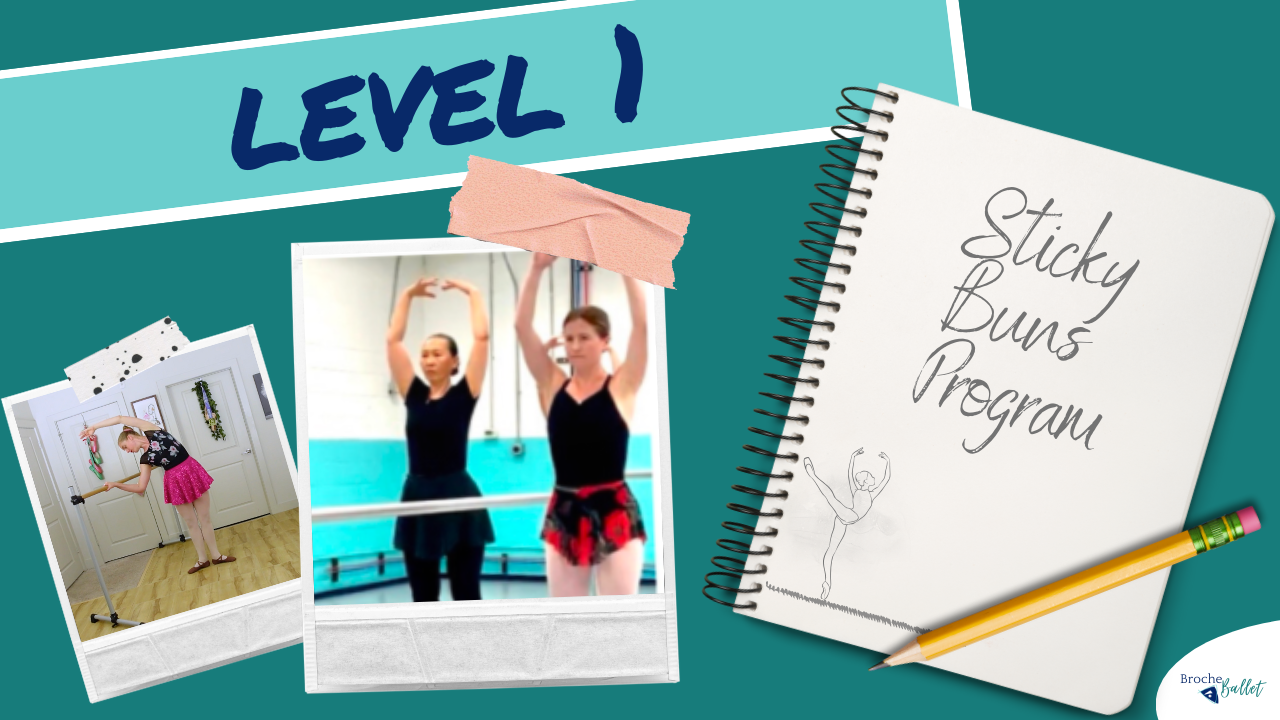
Absolute Beginners "Sticky Buns" Program
Beginner ballet classes can be intimidating! Whether your bun is sticky with hairspray or your buns are sticky with sweat, the our Sticky Buns Beginner Program is designed to get you studio-ready and actually "stick" with it!
115 classes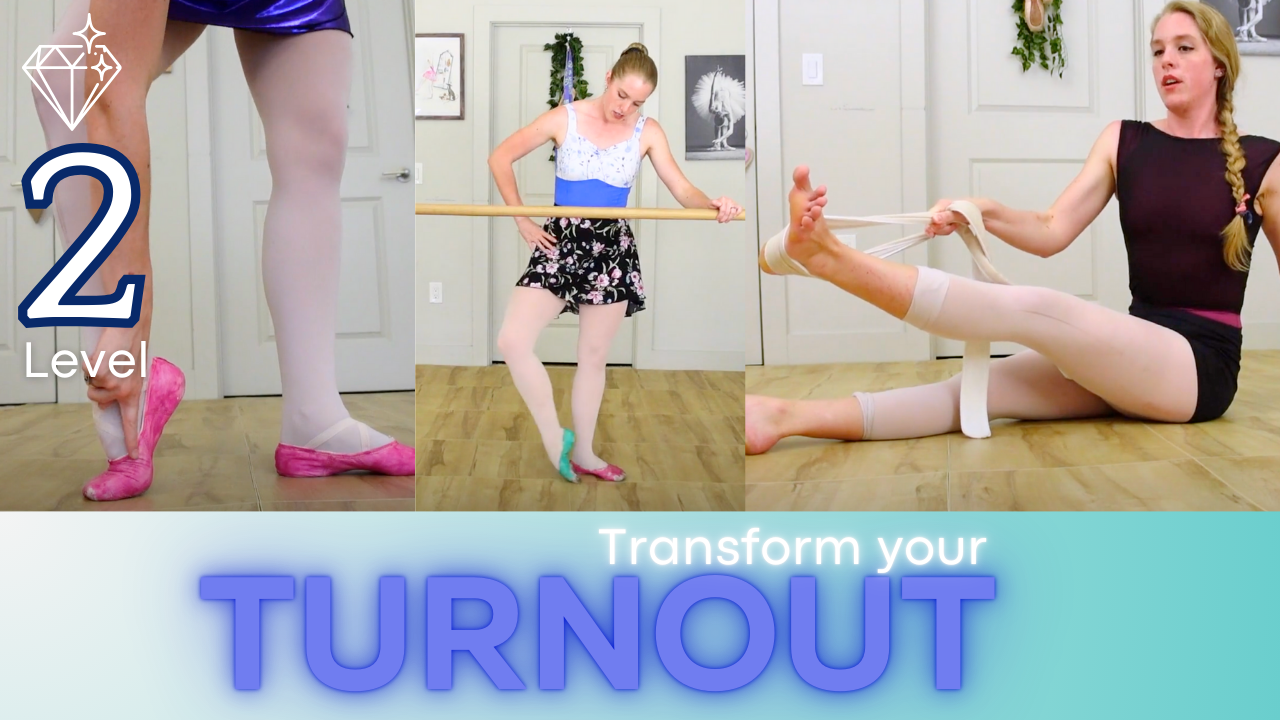
Total Turnout Transformation
Turnout is much more than just flexibility or naturally perfect hips—it’s a harmonious balance of strength, flexibility, and proper alignment of your lower back, pelvis, knees, and ankles. This balance not only enhances the aesthetic of your dancing but also provides the functionality required for balance and opposition in movement.
146 classes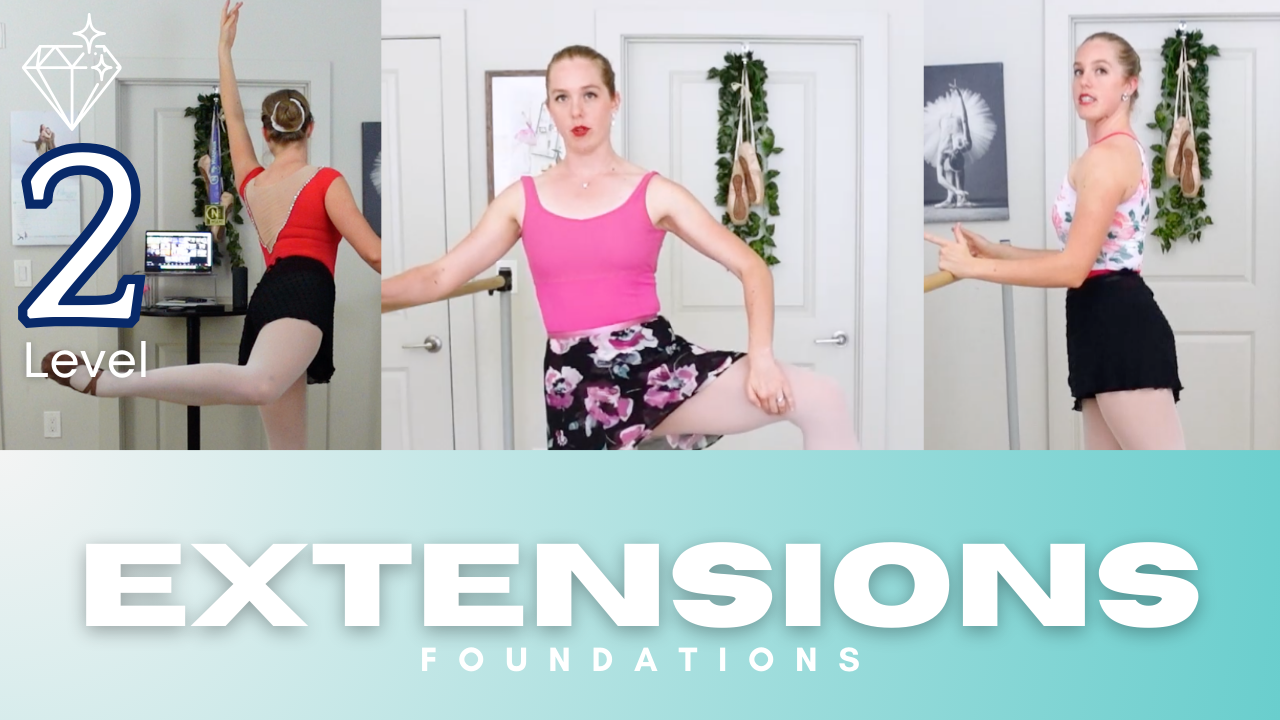
Extensions Foundations for Higher Legs
Dreaming of a higher développé, and higher legs in arabesque? Extensions, Level 2 lays the essential foundation for building the strength, flexibility, and technique needed to lift up those legs.
32 classes