Does it matter which ballet method I learn as an adult?
For beginners, the specific ballet method matters less than finding a program tailored to adult biomechanics. While all methods share foundational movements like pliés and tendus, styles like Vaganova, RAD, or Cecchetti differ in artistic expression and technical nuances. Choosing a method that resonates with your personal goals and physical needs is more important than strict syllabus adherence.
The short answer is no—especially when you are first starting out. At the foundational level, ballet is ballet. A plié in London (RAD) is structurally the same as a plié in St. Petersburg (Vaganova) or New York City (Balanchine). However, as you move past the absolute basics, the method you choose begins to shape your artistic 'voice' and how you utilize your body's mechanics.
The Universal Foundations of Ballet
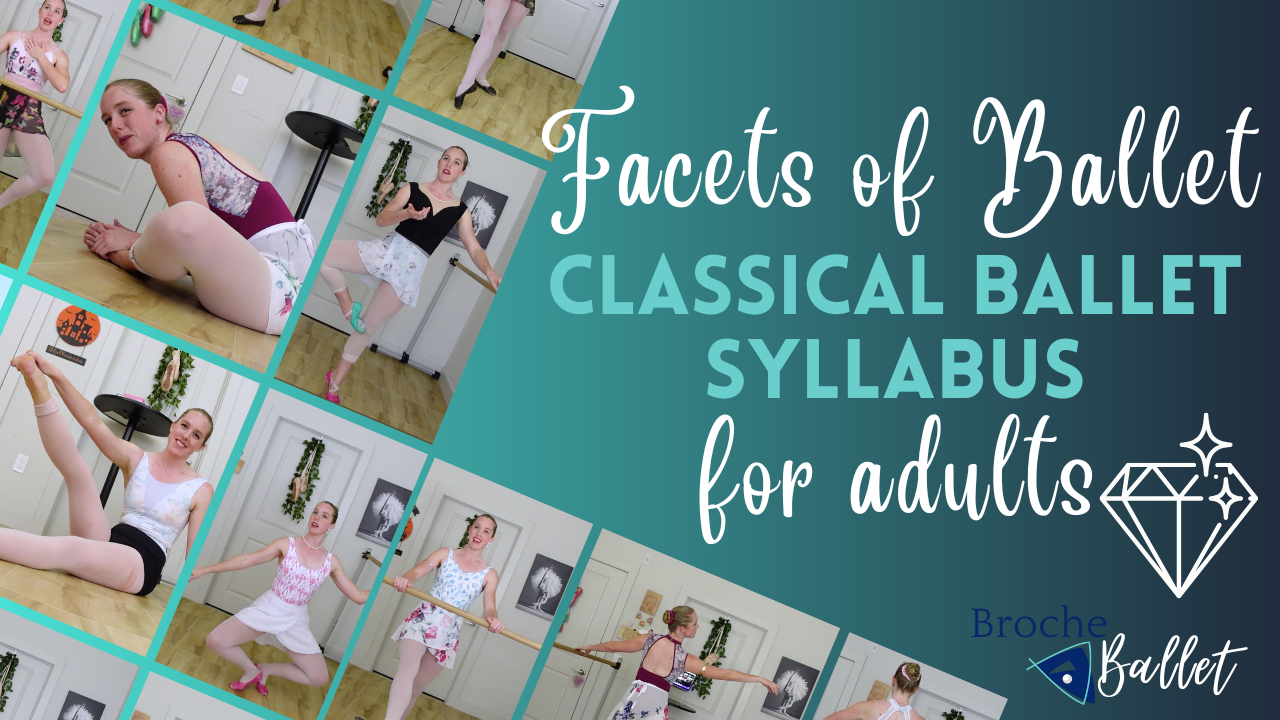
Regardless of the school of thought, every ballet class follows a similar structure: starting at the barre to warm up the feet, legs, and core, and moving to the center for balance, turns, and jumps. In our library of over 7,200 videos, we focus heavily on these universal truths. Whether you are following The Facets of Ballet: A Complete Adult Ballet Curriculum or the 12-Week Ballet Reset, the primary goal is clean technique, proper alignment, and functional turnout. These concepts transcend specific methods and are the bedrock of safe dancing for adult bodies.
Where the Methods Diverge
As you progress, you will notice differences in 'style'—the way the arms (port de bras) move, the positioning of the head (épaulement), and even the preparation for pirouettes.
- Vaganova (Russian): Known for its soulfulness and use of the whole body, particularly the back and arms. It is highly codified and rigorous.
- RAD (Royal Academy of Dance): A British method that focuses on a slow, steady progression and precise technique, often used in graded exams.
- Cecchetti (Italian): Focuses on internal balance and a very specific set of daily exercises to ensure all-around development.
- Balanchine (American): Characterized by extreme speed, deep pliés, and a very linear, neo-classical look.
For example, our instructional video on Exploring Cecchetti Épaulé & Torso-Driven Movement highlights how the Cecchetti method uses the torso differently than the R.A.D. Port de Bras style. For an adult dancer, exploring these differences can be a wonderful way to find which aesthetic feels most 'right' in your own body.
Adult-Specific Considerations
Adults often face different challenges than children training in a professional track. You might have tighter hips, previous injuries, or a limited amount of time to practice each week. In these cases, the methodology of teaching matters more than the method of ballet.
An adult-centric approach, like our Journey to Pointe | First Pointe Shoes for Adults, prioritizes the specific strength-building necessary for a mature musculoskeletal system. As an adult, you need a program that respects your timeline and provides the diagnostic tools to know when you are truly ready.
The Benefit of an Eclectic Approach
One of the greatest advantages of being an adult learner is the ability to be 'eclectic.' You aren't auditioning for a specific company that requires a uniform look. You can take the precision of RAD arm placements and combine it with the powerful pirouette preparations found in Vaganova-style training.
If you find yourself plateauing, switching 'styles' can often provide the breakthrough you need. For instance, if you struggle with turns, our Turns Foundations Program or specific videos on learning en dedans pirouettes (which compare different methods of entering the turn) can offer a fresh perspective that a single-method teacher might miss.
How to Choose
If you are just starting, look for a program that emphasizes clarity and safety. The Facets of Ballet is designed as a modular system, allowing you to focus on the skills you need without being boxed into a single historical method. As you become more comfortable, use our comparative style videos to experiment. You might find that the dramatic épaulement of the Russian style helps you feel more expressive, or the logical footwork of the French school helps your stability.
Ultimately, the 'best' method is the one that keeps you coming back to the barre. Ballet is a lifelong journey, and your training should adapt to your evolving goals, whether that is reaching your Extensions Foundations milestones or simply finding a Gentle Return to Ballet after a Break. Your unique adult body is the final authority on which method works best for you.
Next step
Related Videos
Watch classes and tutorials related to this topic


More Programs
The 12-Week Ballet Reset
Clean your technique. Rebuild your artistry. Return stronger. A full-body re-tuning for adult dancers.
105 classes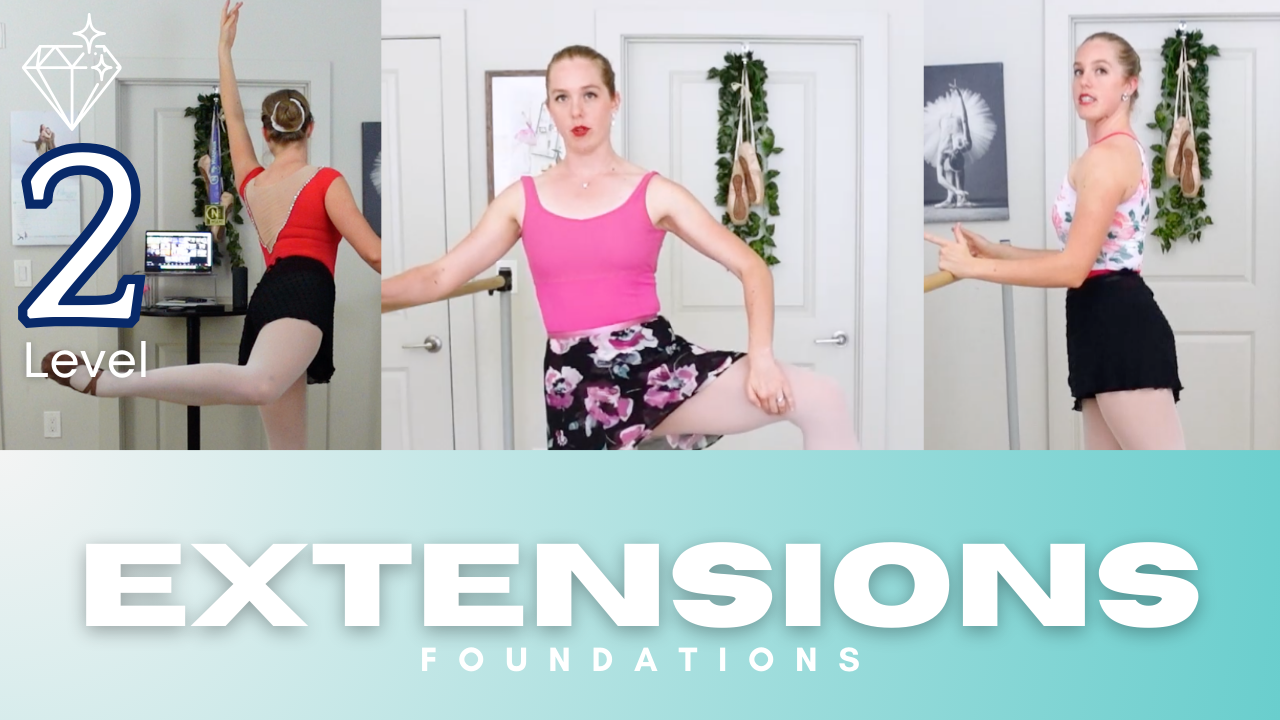
Extensions Foundations for Higher Legs
Dreaming of a higher développé, and higher legs in arabesque? Extensions, Level 2 lays the essential foundation for building the strength, flexibility, and technique needed to lift up those legs.
32 classes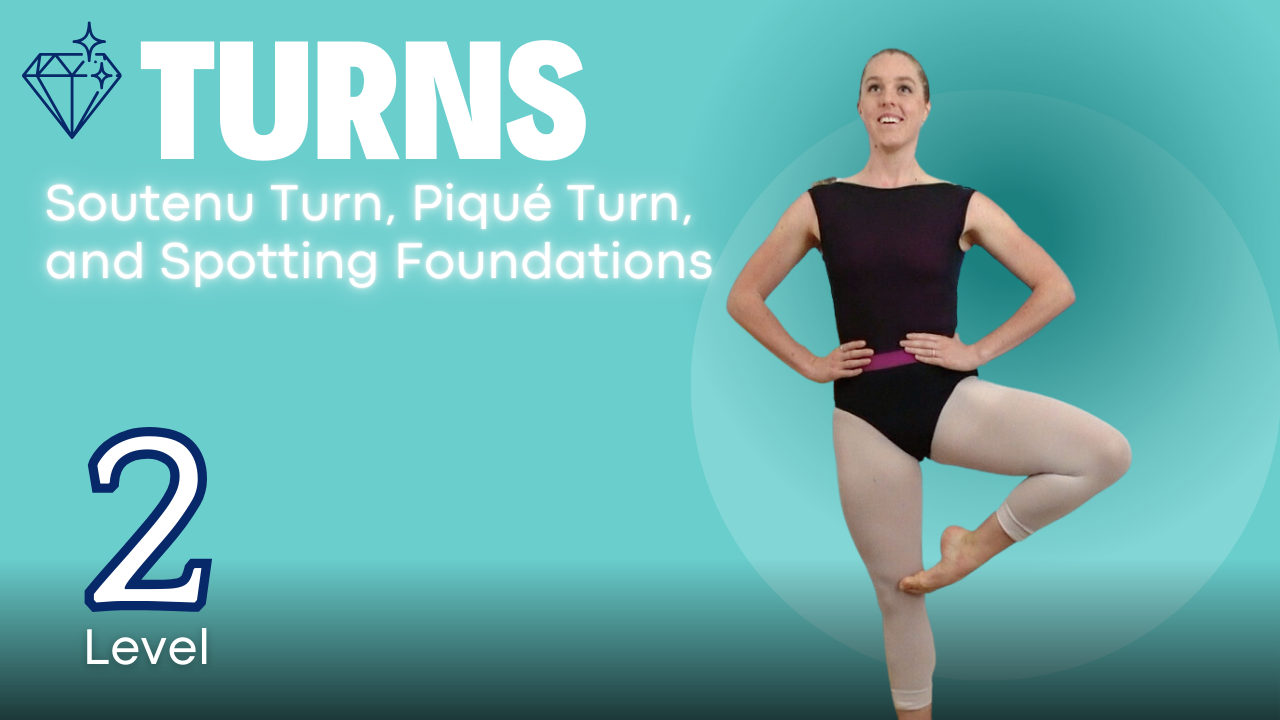
Turns Foundations Program
Soutenu Turn, Piqué Turn, and Spotting Foundations
25 classes