What You'll Learn
- How to establish a shoulder-to-heel connection for better vertical alignment.
- Techniques for landing in balance to ensure smooth transitions between jumps.
- Conditioning exercises like plié and fondu to build explosive leg power.
- Proper foot articulation to maximize propulsion from the floor.
About This Video
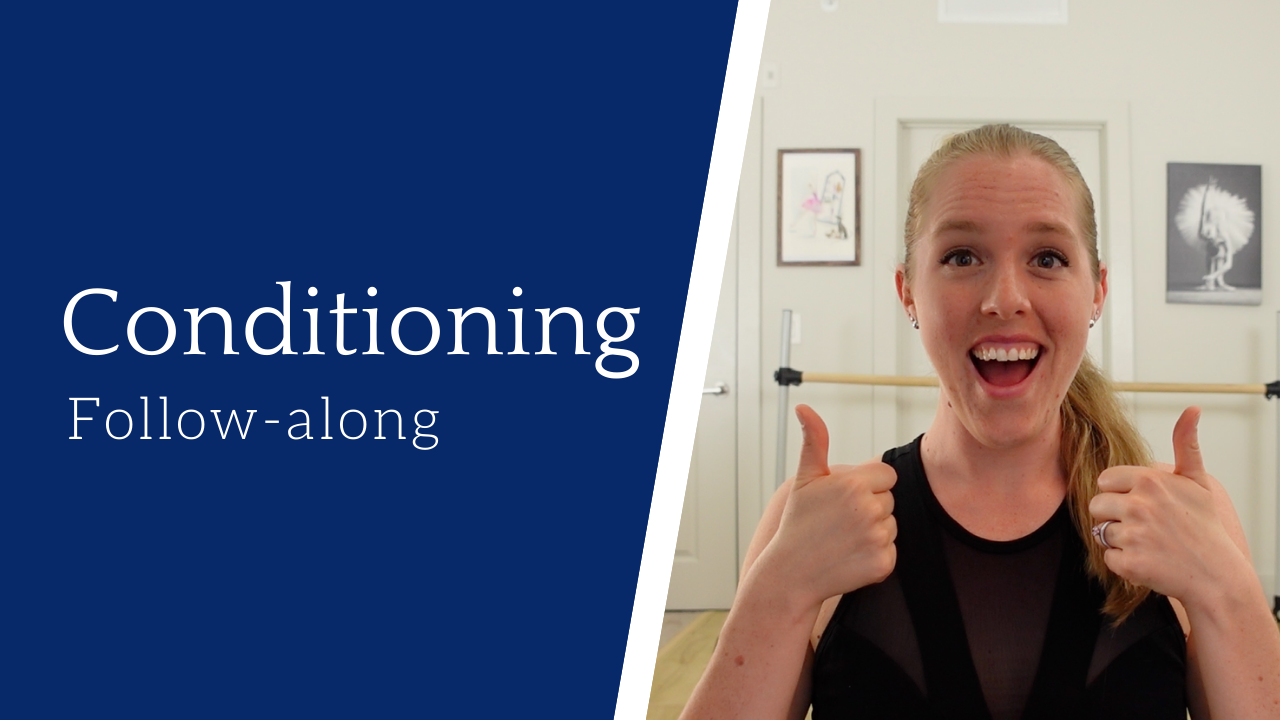
Welcome back to Week 3 of our series on building explosive power and stability for jumping. In this Broche Ballet class, we move beyond the basics to focus on the intricate mechanics of elevation and the often-overlooked art of the landing. While many dancers focus solely on how high they can get off the ground, the secret to a professional-looking jump lies in the preparation and the recovery. This session is designed to give you the conditioning tools necessary to jump higher and land with grace.
Throughout the class, we emphasize the shoulder-to-heel connection. This alignment is crucial for maintaining a vertical axis; without it, power is lost through the torso, often resulting in an unintentional backbend rather than a vertical lift. By engaging the core and feeling the energy travel from the floor through the heels to the shoulders, you create a solid column that allows for maximum propulsion. We focus on the action of pushing the floor away, specifically using the arches and toes to find that extra bit of 'zip' at the top of the movement.
Our conditioning sequence includes a variety of exercises tailored to jumping success. We utilize the *plié* to build the necessary 'spring' in the legs and the *relevé* to strengthen the ankles. We also work through *tendu* and *jeté* to improve foot articulation and speed. To ensure you can handle the impact of jumping, we incorporate *fondu* for single-leg stability and *tombé* for weight transfer practice. Exercises like *pas de bourrée* and *temps lié* are used to connect these power-building movements into fluid balletic sequences. By the end of this session, you will understand how to land in balance, keeping you ready for the next *sauté* or grand allegro step.