What You'll Learn
- How to engage the tibialis posterior and soleus muscles for a stable rise
- Specific stretches to increase flexibility in the metatarsals and arches
- Techniques for a three-quarter pointe to lift the knuckles off the floor
- How to maintain a long, straight toe position to avoid scrunching
- The importance of the tripod foot for balance and weight distribution
About This Video
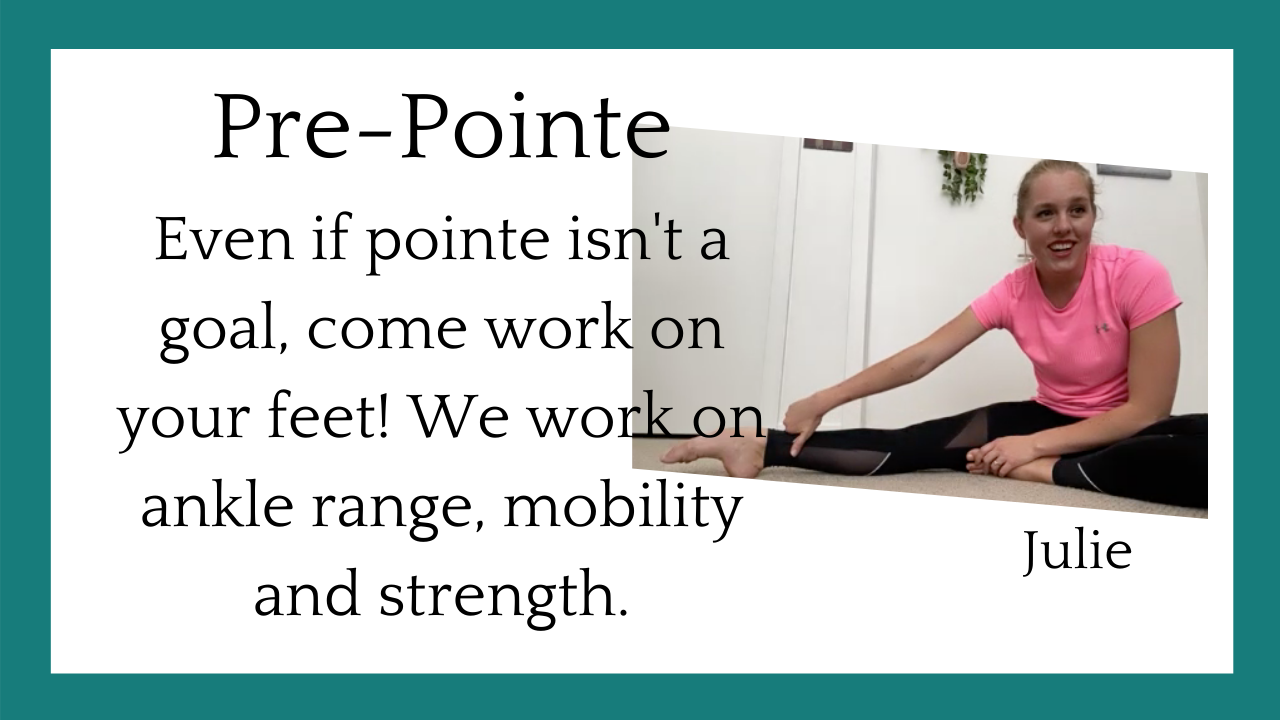
In ballet, the height and stability of your demi-pointe are fundamental to every movement, from a simple relevé at the barre to complex center work. This specialized class from Broche Ballet focuses on the intricate mechanics of the foot and ankle, helping you achieve a higher, more secure demi-pointe and three-quarter pointe position. Whether you are a beginner or an intermediate dancer preparing for pointe work, understanding how to engage the right muscle groups is essential for progress and injury prevention.
We begin by exploring the anatomy of the rise. A high demi-pointe isn't just about pushing the floor away; it requires the coordinated effort of the arch, the heel, and the deeper calf muscles like the soleus and tibialis posterior. The tibialis posterior is particularly important for maintaining alignment and preventing the foot from rolling in or sickling while en demi-pointe.
You will learn how to activate these muscles to support your weight effectively and keep your weight centered over the first and second toes. We also address the common habit of scrunching the toes. Instead, the instructor guides you through exercises to keep the toes long and straight, ensuring a broad tripod foot base that provides maximum stability.
The class includes targeted stretches to improve the flexibility of the metatarsals and the top of the foot. One key exercise involves tucking the toes and sitting back toward the heels to gently increase the range of motion. We also dive into three-quarter pointe work, focusing on lifting the knuckles off the ground to find that extra bit of height.
This strength is crucial for dancers transitioning to pointe shoes, as it builds the necessary power to stay over the box. Throughout this session, you will receive cues on breathing and relaxing into the stretches to avoid unnecessary tension. By the end of this class, you will have a toolkit of exercises to refine your technique and build the foundational strength needed for beautiful, effortless ballet movement.
Consistency is key, so remember to engage these specific muscle groups every time you rise.