
What You'll Learn
- The correct sequence for a tour jeté: down, brush, flip, and land
- How to integrate back muscles to achieve height and stability during jumps
- Refining the brush fouetté technique to power your grande allegro
- Perfecting transitions like the failli and pas de bourrée between movements
- Practical tips for practicing jumps safely in smaller or slippery home spaces
About This Video
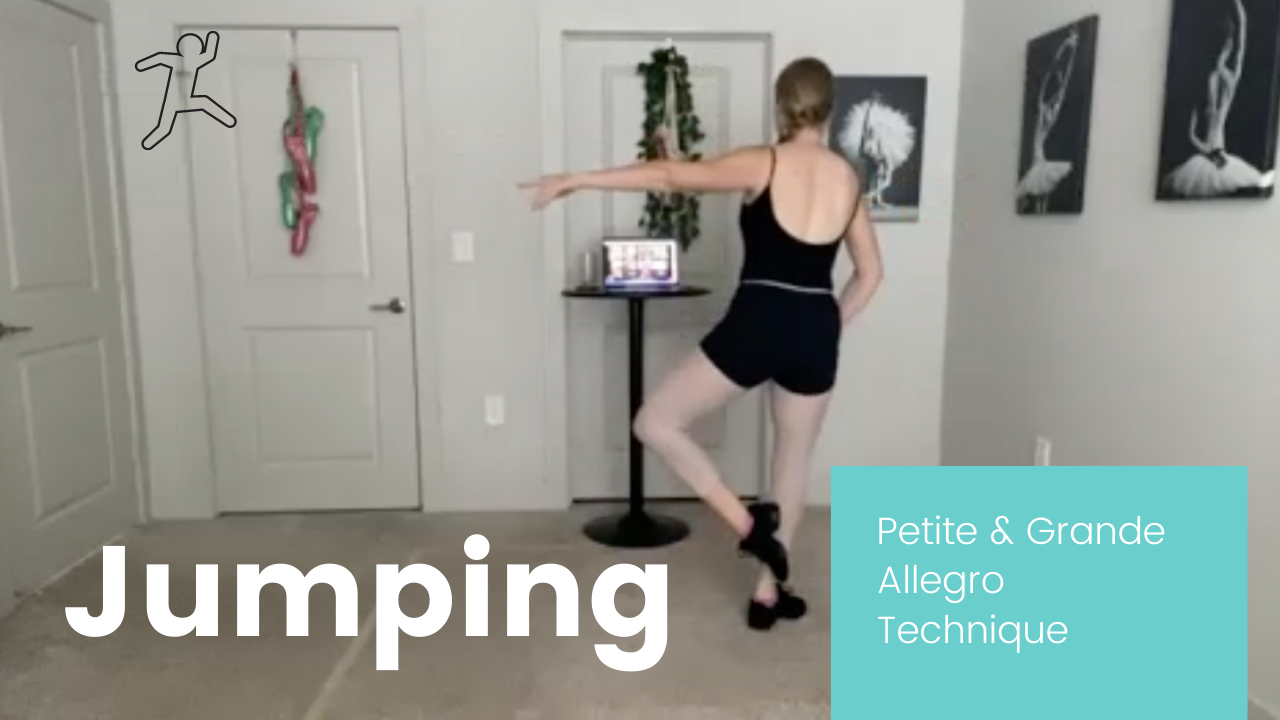
Take your jumping technique to the next level with this focused 15-minute session from Broche Ballet. In this class, we dive deep into the mechanics of the grand jeté en tournant, commonly known as the tour jeté. This powerful movement is a staple of grande allegro, requiring a delicate balance of strength, timing, and coordination.
Whether you are practicing in a studio or in a smaller home space, the instructor provides essential tips for maintaining control and safety. One of the primary focuses of this tutorial is the breakdown of the tour jeté into its core components: the down, the brush, the flip, and the landing. We emphasize the importance of the brush fouetté action, ensuring that the leg works through the floor correctly before the body rotates.
By mastering the brush fouetté first, you can execute a more powerful and aesthetically pleasing jump. Additionally, the class covers the integration of the back muscles, which are vital for achieving the necessary lift and stability in the air. Beyond the tour jeté itself, the lesson explores essential transitional steps that link jumps together.
You will practice the failli and the pas de bourrée, learning how these movements provide the momentum needed for larger jumps. The instructor also addresses common challenges, such as practicing on different floor surfaces, and provides modifications like keeping the jumps lower to focus on form. By the end of this class, you will have a clearer understanding of how to sequence your movements for maximum efficiency.
Refine your allegro today and bring more grace and power to your ballet practice.