
What You'll Learn
- Correct landing technique to protect joints and ensure a smooth, deep plié.
- How to use shoulder engagement as a propeller for higher, more controlled jumps.
- Executing quick petite allegro steps including glissade changé and pas de bourrée.
- Strategies for maintaining mental focus and calmness during fast-paced combinations.
- Improving foot alignment and weight distribution during takeoff and landing.
About This Video
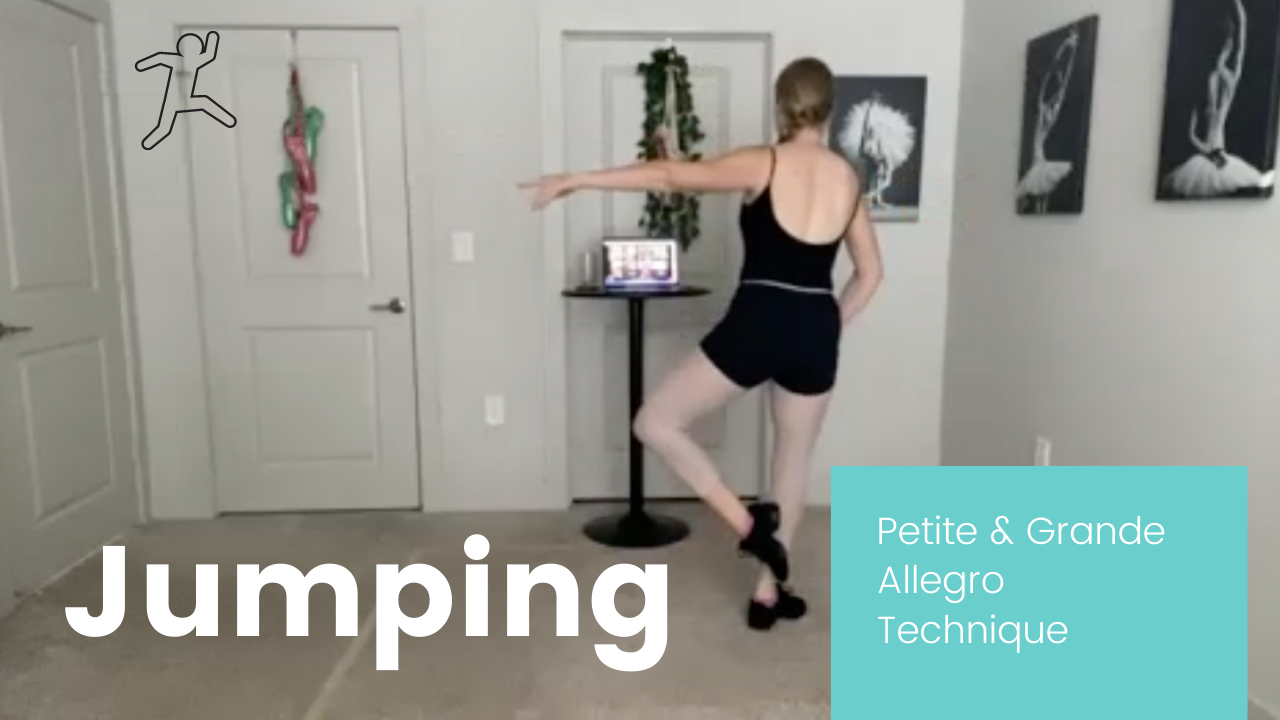
Mastering the art of jumping is one of the most exhilarating yet challenging aspects of ballet training. In this focused 15-minute session from Broche Ballet, we dive deep into the mechanics of both petite and grande allegro. Whether you are practicing in a studio or at home, understanding how to generate power and land safely is essential for any dancer’s progression. This video provides a structured approach to improving your verticality and footwork precision.
The lesson begins with a critical look at landing technique. The instructor emphasizes the importance of keeping the 'fourth toes down' to ensure proper alignment and weight distribution during every sauté. A soft, controlled plié is the foundation of every jump, acting as both the shock absorber and the spring for the next movement. You will practice specific landing and takeoff drills designed to build the necessary muscle memory for more complex combinations, ensuring your joints are protected while your jumps become more explosive.
One unique aspect of this class is the focus on shoulder engagement. Often, dancers focus solely on their legs, but our instructor explains how the shoulders act as a propeller, helping to lift the body off the floor and provide that sought-after 'ballon.' By engaging the upper body correctly and coordinating your arms, you can achieve greater height and control in your grande allegro. This holistic approach to jumping helps dancers move with more grace and less effort.
As the session progresses, you will work through a fast-paced petite allegro combination. This sequence incorporates glissade, glissade changé, pas de bourrée, and jeté. These steps require quick footwork and precise coordination. The instructor notes that these high-energy combinations are as much a mental challenge as a physical one. You will learn strategies to stay calm and focused, ensuring that your sous-sus remains tight and your transitions are seamless even as your legs begin to tire. Finishing strong is key, and this practice will help you maintain technique from the first plié to the final pose.