
What You'll Learn
- How to generate powerful turning momentum from the ribcage rather than the arms
- Techniques for maintaining a stable vertical axis during complex finger turns
- Integrating turns en pointe with clean transitions into fifth position
- Proper weight distribution to avoid pushing sideways during rotations
- Corrective techniques for common mistakes made at the barre
About This Video
Welcome to an intensive session of Ballet Pointe work with Julie, specifically designed to help intermediate dancers master the technical nuances of turns. This class is structured to build your confidence and precision over a comprehensive 50-minute session, moving from foundational basics to complex combinations. At Broche Ballet, we believe that understanding the mechanics of the body is the key to unlocking fluid, professional movement en pointe.
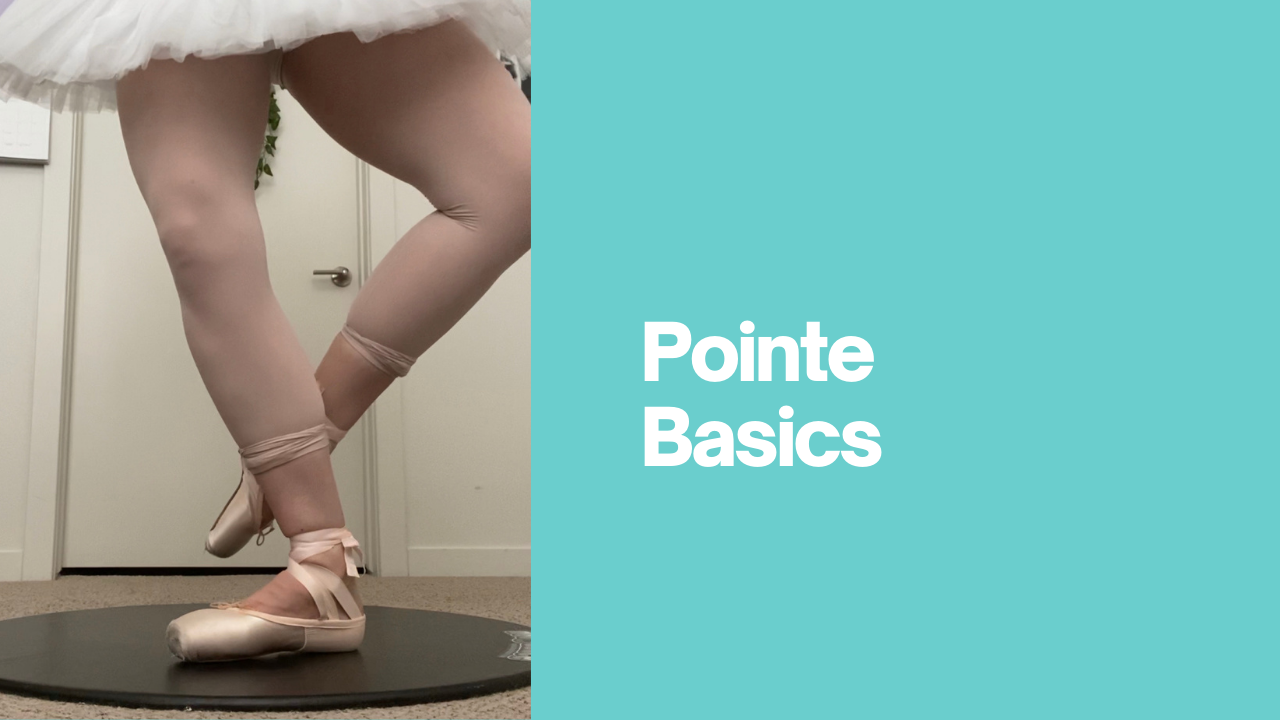
The first 20 minutes focus on essential basics at the barre. Here, we emphasize the sous-sus and finding a vertical axis. Julie guides you through exercises that prepare your ankles and toes for the demands of rotation, ensuring you have a stable base before attempting more difficult maneuvers.
A significant portion of this class is dedicated to the mechanics of finger turns. A common struggle for many dancers is losing momentum or feeling stuck to the barre. Julie addresses this by teaching you how to generate power from the ribcage rather than just the limbs.
By initiating the twist from the torso, you create a more controlled and sustained rotation that carries you through the movement. In the next 15 minutes, the class shifts to intermediate combinations. We explore how to integrate these turns seamlessly into fifth position.
You will learn how to maintain your balance by keeping your weight centered over your supporting leg—your axis—rather than pushing sideways. This section is crucial for anyone looking to bridge the gap between simple relevé exercises and dynamic center work. The final 15 minutes are dedicated to turns en pointe.
You will practice the concept of sides, visualizing one side of the body starting the turn and the other side following to complete the circle. This method ensures that your momentum remains consistent. By analyzing and correcting your technique under Julie’s expert guidance, you will develop a more stable and professional presence.