
What You'll Learn
- Master proper barography and hand placement on the barre to maintain perfect balance.
- Correct the tendency to lean or fall back when rising into a pirouette en pointe.
- Improve shoulder alignment and the standing side to ensure smooth, controlled rotations.
- Develop precise arm transitions into first position to support your passé and turns.
About This Video
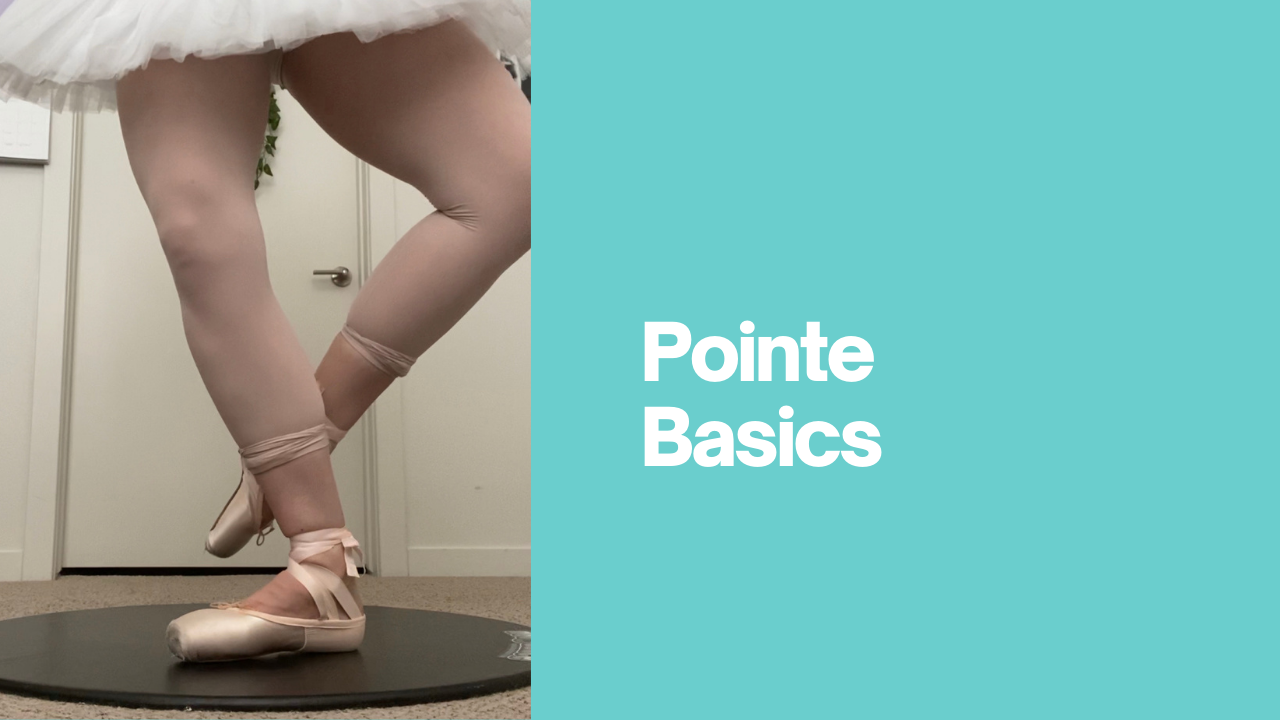
In this comprehensive session with Julie from Broche Ballet, dancers are invited to dive deep into the mechanics of turning en pointe. This class is uniquely structured to guide you through a logical progression: starting with twenty minutes of foundational basics, followed by twenty minutes of intermediate combinations, and concluding with a focused ten-minute segment dedicated specifically to turns. The core focus of this practice is mastering the barography—the precise hand placement on the barre that allows for maximum stability and preparation for center work.
Julie emphasizes that the barre is not just a support, but a training tool to help you understand your vertical alignment. You will learn to navigate the delicate balance of the standing side, ensuring that your shoulder comes around cleanly during a pirouette to avoid being stuck or pulled off your leg. One of the most common challenges in pointe work is the tendency to lean or fall back as you rise into relevé.
This class addresses this through the Goldilocks action, helping you find the perfect center of gravity. You will work on keeping the body forward and the core engaged, transitioning smoothly from a deep plié into a sharp passé. By focusing on arm placement—aiming for a solid first position as you move into the turn—you will develop the controlled momentum needed for successful rotations.
Additionally, we explore how to maintain the integrity of the standing side shoulder throughout the rotation. Dancers often find that one side is more mobile than the other; Julie’s corrections help bridge that gap by emphasizing equal energy through both sides of the torso. This focus on symmetry ensures that your en pointe work remains balanced and aesthetically pleasing.
As you progress through the intermediate combinations, you will apply these foundational principles to more dynamic movements, bridging the gap between static barre exercises and fluid center combinations. This holistic approach ensures that every minute spent in your pointe shoes contributes to long-term technical growth.