What You'll Learn
- How to engage the ribcage to generate momentum for effortless rotations
- Techniques to prevent getting 'stuck' to the barre during finger turns
- Developing a centered axis by properly placing weight over the standing leg
- Using sous-sus and preparation exercises to improve balance en pointe
- The difference between pushing and twisting to achieve 'floaty' turn quality
About This Video
Navigating the transition from demi-pointe to pointe work requires more than just foot strength; it requires a sophisticated understanding of physics and body alignment. In this specialized Broche Ballet practice session, we dive deep into the mechanics of turns en pointe, specifically focusing on how to generate and control momentum without sacrificing stability. Many dancers struggle with feeling 'stuck' at the barre or falling off their axis during finger turns.
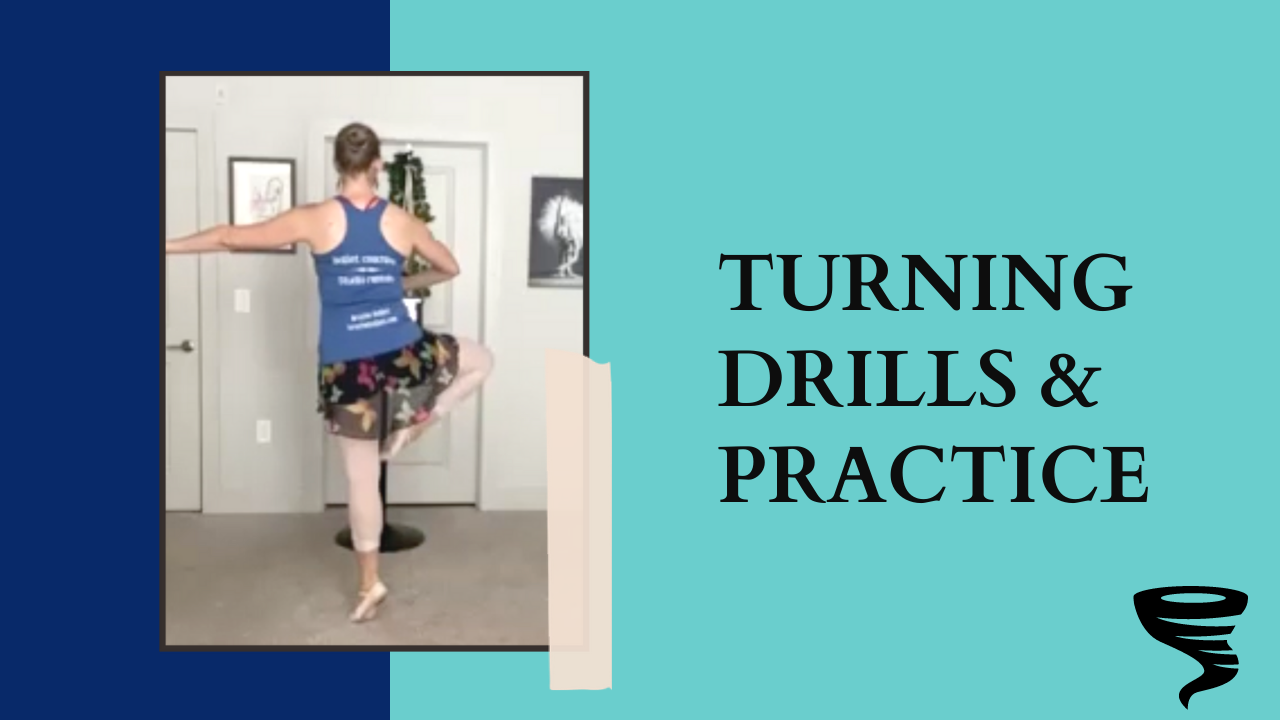
The secret often lies not in the legs, but in the engagement of the ribcage. By learning to twist from the side of the body opposite the standing leg, you can create a centrifugal force that allows for fluid, controlled rotations. We will explore how to avoid pushing sideways with the ribcage, which often disrupts the vertical line necessary for successful pirouettes.
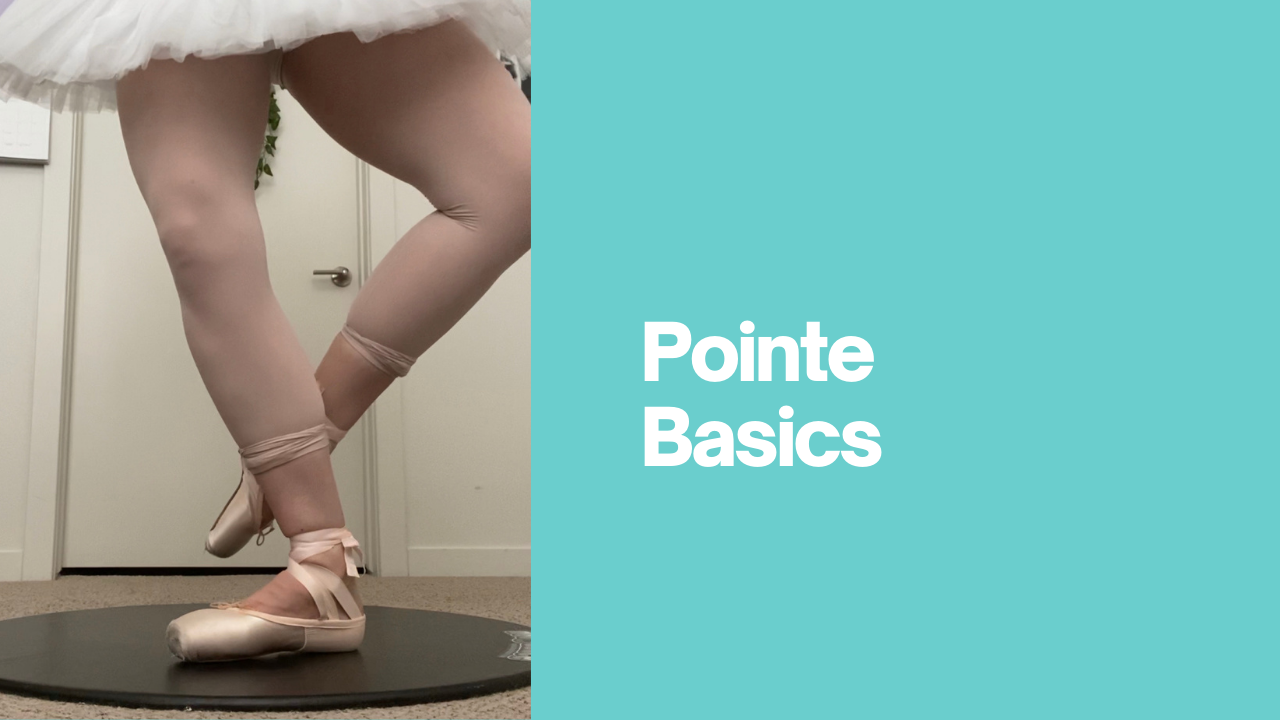
Instead, the focus is shifted toward twisting 'up and around' the leg, ensuring your weight remains perfectly centered over your pointe shoe. Throughout this class, you will practice foundational movements like sous-sus and precise preparations to build the muscle memory required for more advanced turns. By the end of this session, you will have a clearer understanding of how to use the barre as a tool for refinement rather than a crutch, allowing you to achieve those sought-after 'floaty' turns with confidence and grace.
Whether you are just starting your journey en pointe or looking to polish your technique, these insights into momentum and axis control are essential for every serious ballet student.