What You'll Learn
- The 'magic' synchronization of the knee and shoulder blade to initiate a clean turn
- How to achieve perfect timing by bringing the whole body to a point of stillness simultaneously
- Techniques for transitioning from quarter turns on flat to full turns on demi-pointe
- The importance of a controlled finish by lowering through the standing leg before closing
- Proper arm placement in first position to maintain momentum and balance
About This Video
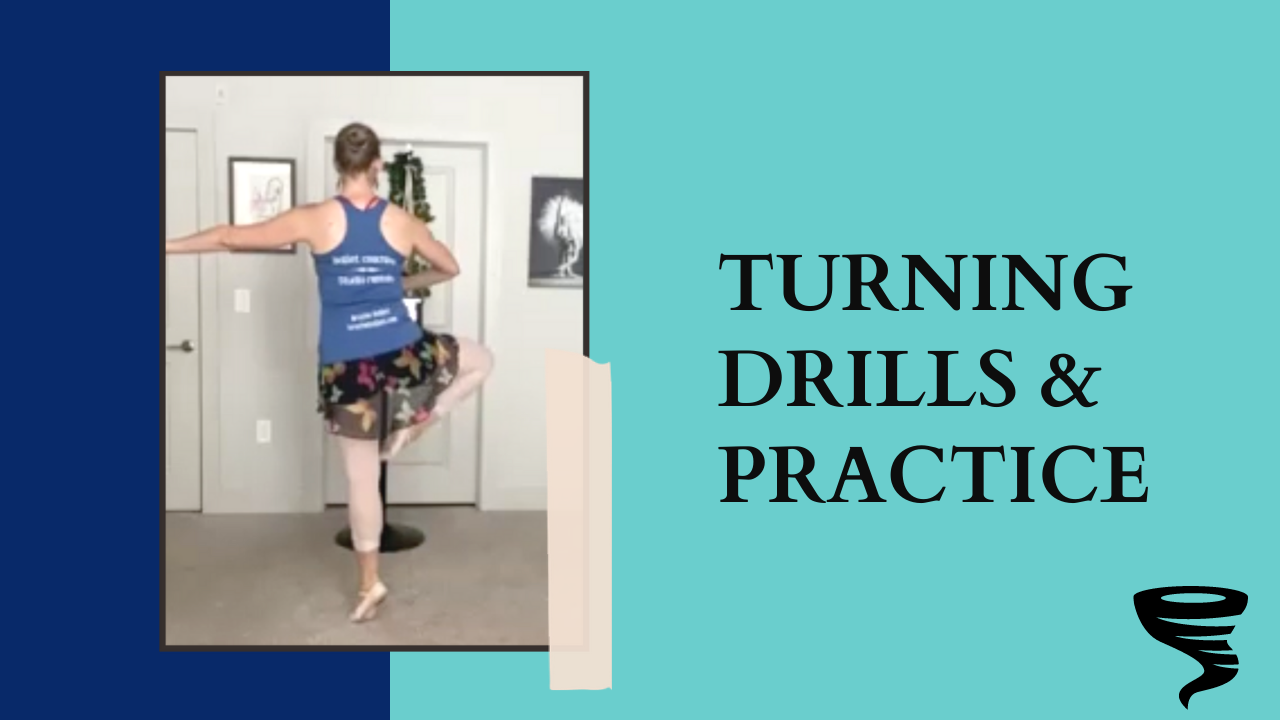
Pirouettes are often the most challenging yet rewarding part of any ballet class. Achieving that perfect, stable turn requires much more than just speed; it demands precise mechanics, core engagement, and impeccable timing. In this focused practice session from Broche Ballet, we dive deep into the specific drills that build a solid foundation for your turning technique, moving beyond the "hope for the best" approach to a structured, mechanical understanding of rotation.
We begin the lesson by breaking down the mechanics of the preparation and the initiation of the turn. Many dancers struggle with over-rotating the upper body, but you will learn how to coordinate the movement of the knee and the shoulder blade to create a "magic" synchronization that powers your rotation effectively. By sending the working knee to the back of the room while simultaneously bringing the leading shoulder blade around, you create the necessary torque without sacrificing your vertical alignment. We practice these concepts first with quarter turns on flat to ensure the passé is high and the hips are level before progressing to more advanced variations.
Timing is the secret ingredient of a successful pirouette. Throughout these drills, the instructor emphasizes the moment of absolute stillness where every part of the body arrives in position—the passé, the relevé on demi-pointe, and the arms in first—at the exact same micro-second. This session covers drills for whole turns, focusing on staying forward over your standing leg and maintaining a strong connection to your center. You will also learn how to use the arms to close the position into a strong first, providing the necessary momentum to complete the revolution.
A great turn isn't complete without a controlled finish. You will practice the vital skill of lowering through a strong, controlled standing leg before closing your position to the floor. Whether you are practicing in a small home space or a large studio, these drills are designed to refine your muscle memory and build the strength required for consistent, beautiful pirouettes.