What You'll Learn
- The exact height for your heel during a flexed frappé
- How to distinguish heel placement in frappé versus coup-de-pied
- Tips for avoiding ankle bruising through better foot alignment
- The 'heel replaces toe' rule for sharper ballet movements
About This Video
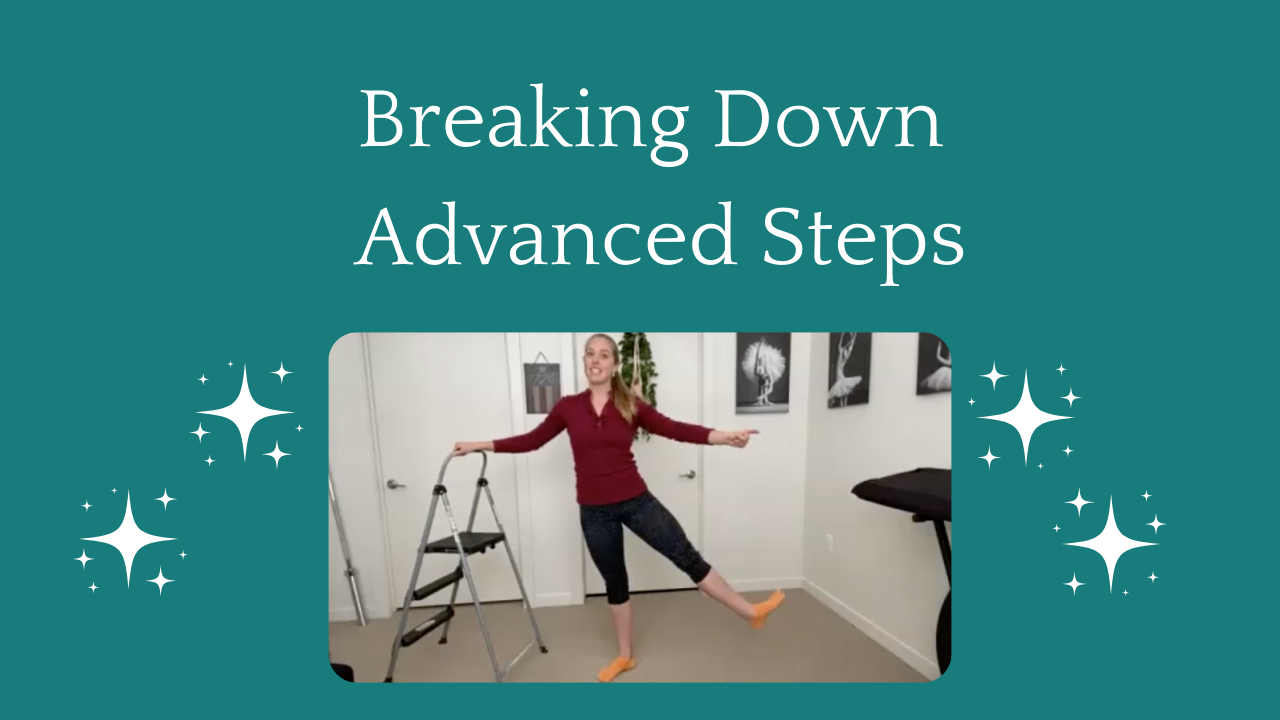
In the world of classical ballet, the frappé is a fundamental barre exercise designed to develop speed, agility, and the strength of the metatarsals. However, the 'strike' that gives the movement its name requires more than just energy; it requires extreme precision. One of the most common technical errors occurs during the flexed portion of the movement, specifically regarding the placement of the heel.
At Broche Ballet, we focus on these minute details that transform a good dancer into a great one. This quick tutorial dives into the 'where' and 'how' of heel placement to ensure your footwork is both aesthetically pleasing and anatomically sound. When executing a frappé from a flexed position, many dancers mistakenly pull the heel too high, mimicking the position of a wrapped coup-de-pied.
While coup-de-pied is a related position, the frappé requires a distinct adjustment. The key takeaway from this lesson is the 'heel replaces toe' rule. When you bring your foot back to the ankle in a flexed state, your heel should occupy the exact spatial coordinates where your toes were just a moment before.
This means the heel stays relatively low, aligned horizontally with the toes rather than lifted toward the calf. Maintaining this specific height is crucial for several reasons. Firstly, it prevents the common issue of bruising.
When the heel is placed too high or too aggressively against the standing leg, it can lead to discomfort and unnecessary impact on the ankle bone. Secondly, this precision allows for a more efficient 'strike' outward. When the foot is correctly aligned at the ankle, the trajectory of the movement is more direct, leading to the crisp, percussive look that teachers look for.
As you practice your frappé at the barre, avoid the temptation to 'climb' the leg. By mastering this subtle distinction, you will find that your allegro work becomes more controlled and your footwork more articulate.