
What You'll Learn
- How to build a mental model of the body’s mechanical levers for better movement calibration.
- The technical distinction between the rotation of the femur and the opening of the leg.
- Methods for engaging the inner thighs while releasing the back of the hip to improve turnout.
- Refined alignment and muscle engagement for the passé and grand plié in second position.
About This Video
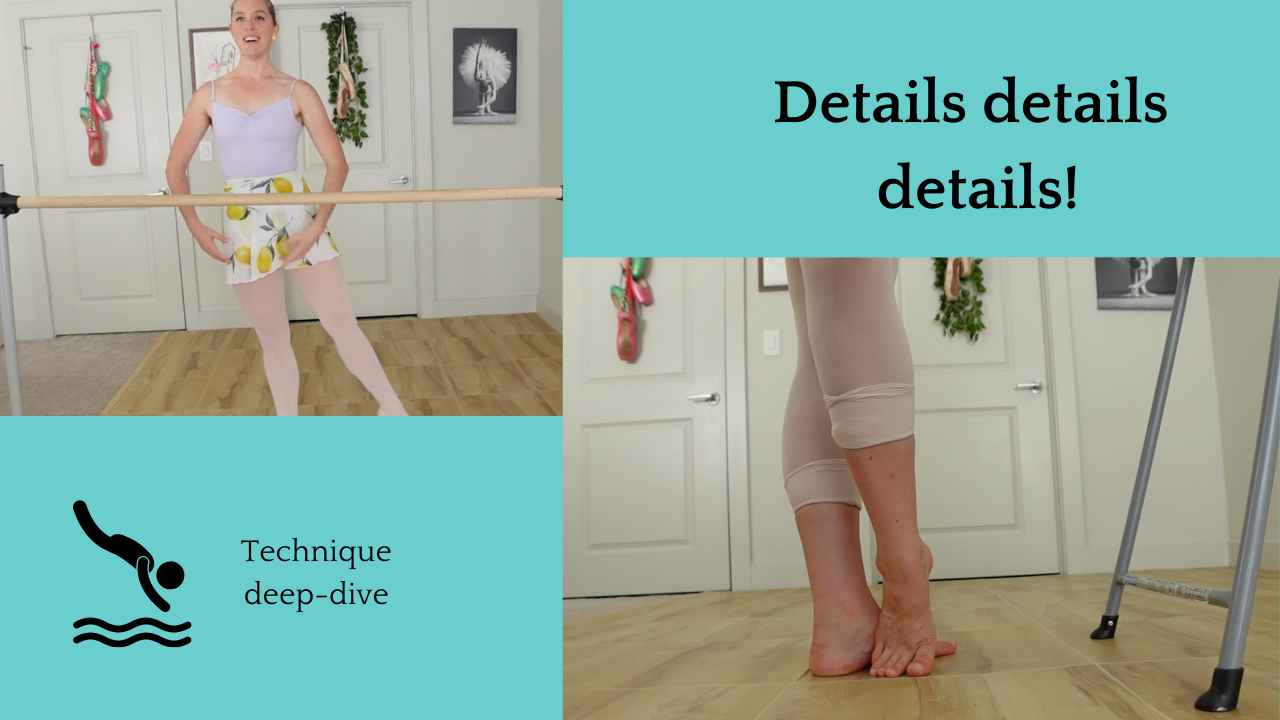
In this comprehensive technique deep-dive from Broche Ballet, we step away from fast-paced combinations to focus on the intricate mechanics of the body. Successful ballet technique relies on more than just trying harder; it requires a sophisticated mental model of how your muscles and joints interact. This session focuses on the fundamental levers and knobs of the body, allowing you to calibrate your movements with precision and grace.
One of the core challenges for any dancer is mastering turnout. Often, we conflate the act of opening the legs with the act of rotating them. In this class, we break down these two distinct actions to help you find more range and stability.
You will learn to identify the separate axes of movement in the hips, understanding how to rotate the femur within the socket while simultaneously opening to positions like second position. By focusing on the inner thighs rotating upward while the back of the hips drops or releases, you can achieve a more functional and sustainable turnout. The lesson applies these concepts to foundational movements, including the passé and plié.
We specifically explore the grand plié in second position, using it as a tool to understand the relationship between the inner thighs and hip flexors. By visualizing these muscle groups as separate levers, you can avoid common pitfalls like gripping in the hips or losing alignment during transitions. Throughout this 25-minute practice, the instructor provides detailed demonstrations and cues to help you internalize these technical nuances.
Whether you are working on your placement at the barre or seeking more stability in the center, this deep-dive provides the how-to behind the movements. This slow, intentional approach to training helps bridge the gap between knowing a position and truly feeling it in your body. Perfect for intermediate dancers, this session is designed to give you the technical tools needed to dance with greater efficiency.




