What You'll Learn
- How to use a second position plié to isolate and identify the deep rotator muscles.
- The "tuck and squeeze" method for activating engagement right under the glutes.
- A "duck walk" exercise to maintain turnout muscle connection while moving between positions.
- Strategies for keeping the hips engaged during the descent and ascent of a plié.
About This Video
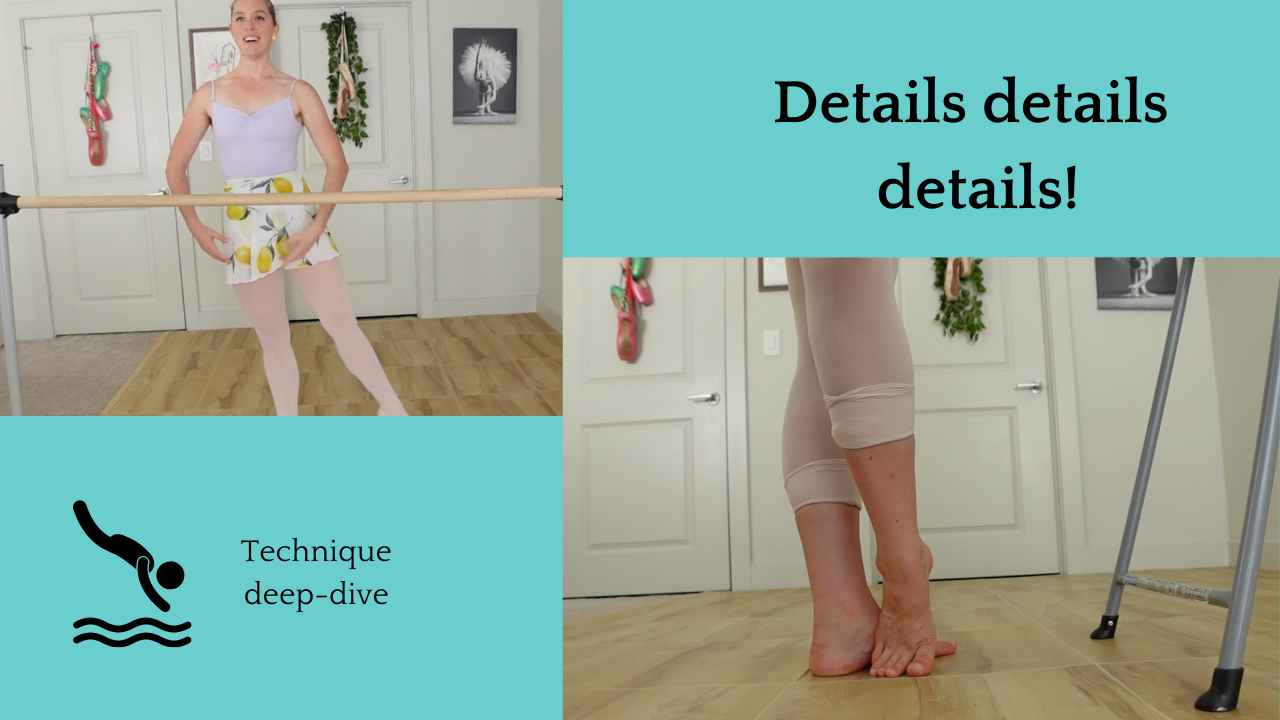
Turnout is one of the most fundamental yet misunderstood aspects of ballet technique. Many dancers struggle to find the specific muscles required to rotate the legs effectively from the hip sockets, often leading to "gripping" in the quadriceps or forcing the rotation from the feet. In this Broche Ballet technique tidbit, we dive deep into the mechanics of locating your turnout muscles by focusing on the specific connection between the glutes and the hamstrings.
The exercise begins in a wide second position. By taking a small plié and intentionally allowing the hips to sit back—almost like "sticking your booty out"—you create the space necessary to feel the muscles engage. The magic happens when you squeeze your hips forward, tucking them under the glutes. This specific action helps you locate the engagement right where the gluteus maximus meets the top of the hamstring. This is the "power center" for functional rotation.
Once you have identified that sensation, the next step is the "duck walk" transition into first position. As you move, the challenge is to maintain that deep squeeze under the glutes. Most dancers lose their turnout the moment they move their feet, but by walking the feet in while keeping the hips pressed forward, you build the muscle memory needed for standing center work. Finally, we apply this found engagement to a standard plié in first position, ensuring that both the descent and the ascent are powered by the deep rotators rather than just the knees or ankles. Mastering this connection will not only improve your aesthetic lines but also protect your joints from the strain of forced turnout.

.png)