What You'll Learn
- The difference between Vigranava and American approaches to weight distribution
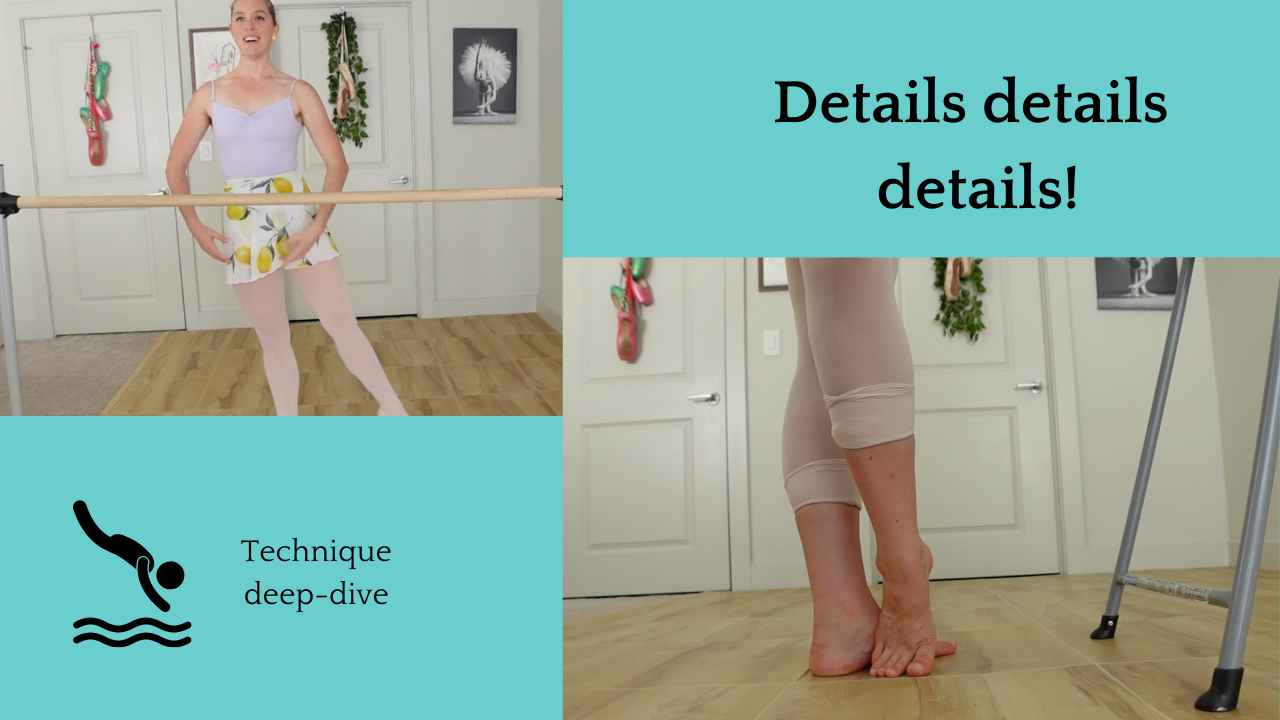
- How to find the 'tripod' balance over the fourth toe for maximum hip stability
- The mechanical pathway of the heel as you transition from flat to demi-pointe and en pointe
- Crucial hip and chest alignment tips to improve the success of your pirouettes and jumps
About This Video
Achieving a stable foundation in ballet begins with understanding exactly where your weight should rest on your standing foot. In this Broche Ballet technique spotlight, we explore the nuances of weight distribution—a topic of frequent debate across different schools of training. Whether you are following the Vigranava method, which emphasizes stability through the heel and standing hip, or American styles that often prioritize the line over the big toe, finding your functional center is crucial for advanced movements like pirouettes and jumps.
One of the primary goals of proper weight placement is maintaining a quiet, stable hip. As you move from first position into a tendu, your standing hip should remain perfectly still. To achieve this, we recommend placing your weight over the fourth toe, ensuring the big toe and heel remain firmly grounded.
This creates a tripod-like stability that prevents the hip from 'sinking' or shifting out of alignment, providing the necessary resistance to maintain your turn-out and posture. Understanding the transition from flat feet to demi-pointe and eventually en pointe is another vital component of safe ballet technique. As you rise, your weight shift is dynamic, not static.
On the flat, your weight centers over the fourth toe. As you move to demi-pointe, your heel should align with the second toe. Finally, as you reach full pointe, the weight transitions toward the big toe.
This movement inward from the outside of the foot to the inside is essential for both balance and safety. Attempting to go straight up without this subtle transition can lead to instability and increased risk of injury. Proper foot mechanics are inseparable from upper body alignment.
The placement of your hips, chest, and head dictates the success of your pirouettes and jumps. By sinking your hips forward as you rise, you create the verticality needed for clean rotations and powerful take-offs. Join us at Broche Ballet as we break down these subtle but transformative adjustments to elevate your daily practice.