Are Structured Ballet Programs Better Than Drop-In Classes?
Structured programs are superior for technical growth because they offer a progressive roadmap, ensuring you build skills in a logical order. While drop-in classes provide variety, they often lack the consistency needed to overcome plateaus. For adult dancers with limited time, a structured approach like the 'Facets of Ballet' ensures every minute counts toward long-term goals.
For most adult ballet dancers, structured programs are significantly more effective than drop-in classes for achieving measurable progress. While the spontaneity of a drop-in class is fun, it often prioritizes 'doing' ballet over 'learning' ballet. In a structured program, each lesson builds upon the previous one, allowing you to master specific mechanics before moving to more complex movements.
The Problem with the Drop-In Plateau
Many adult dancers find themselves stuck at the same level for years despite attending regular classes. This is the 'drop-in plateau.' In a standard open class, the teacher must cater to a wide range of abilities, meaning they cannot focus on a progressive curriculum. You might practice a pirouette on Tuesday, but if the Thursday class focuses on jumps, you lose the opportunity to refine the turning mechanics you just started to understand.
With over 7,200 on-demand videos, Broche Ballet has observed that dancers who follow a roadmap—like our Beyond Beginner - Essentials for Graduating the Beginner Level (which features 261 targeted videos)—progress much faster than those who pick classes at random. Structure provides the 'why' behind the 'what.'
Why Adults Need Logical Progression
Unlike children, whose bodies are highly plastic, adult dancers benefit from a logical, intellectual understanding of movement. We need to know how to engage the deep rotators or how to find our vertical axis before we can successfully execute a turn.
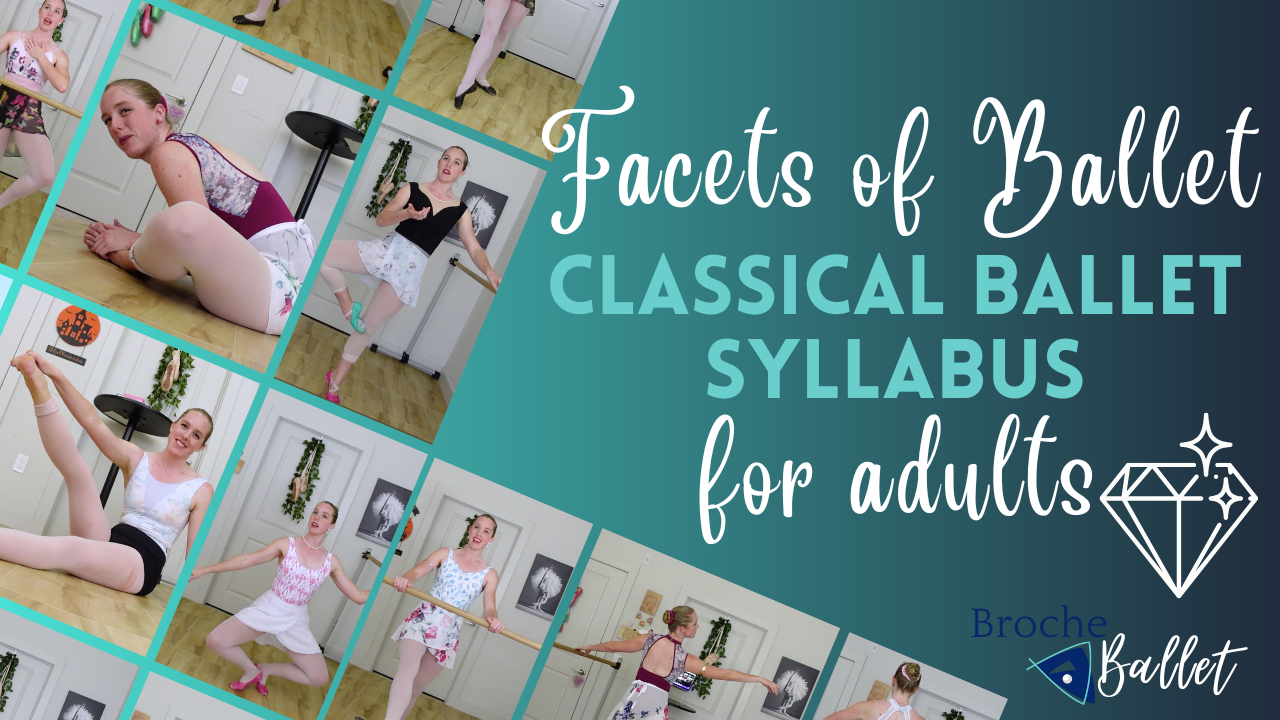
Programs like The Facets of Ballet: A Complete Adult Ballet Curriculum (28 core modular videos) provide this framework. This modular system allows you to treat ballet like a skill-based discipline rather than a follow-along exercise routine. By focusing on specific 'facets'—such as turnout, port de bras, or allegro—you can isolate and fix technical habits that would otherwise go unnoticed in a busy drop-in environment.
Safety and Longevity for Adult Bodies
Adult bodies often come with histories: desk-job tightness, old injuries, or limited flexibility. Drop-in classes can sometimes be risky because they don't always offer the proper 'ramp-up' needed for specific skills. A structured program like Extensions Foundations for Higher Legs (32 videos) takes the time to build the necessary strength and flexibility in the hip flexors and core safely, rather than just asking you to kick your leg high and hoping for the best.
For those returning after a long break, The 12-Week Ballet Reset (105 videos) is specifically designed to re-tune the body. It recognizes that you can't just jump back into center work without first cleaning your technique and rebuilding your artistry from the ground up.
When Should You Take Drop-In Classes?
This is not to say drop-in classes have no value. They are excellent for:
- Maintaining current skill levels.
- Social interaction and community building.
- Testing your ability to pick up new choreography quickly.
- Pure enjoyment and movement for its own sake.
However, we recommend an 80/20 split. Spend 80% of your time in a structured environment—like our Absolute Beginners "Sticky Buns" Program (115 videos) or the 6-Week Well-rounded Level 2 Ballet Schedule—to build your foundation. Use the remaining 20% for drop-in classes to enjoy the fruits of your hard work.
Building Your Personal Roadmap
The beauty of modern online training is that you can have the best of both worlds. At Broche Ballet, we encourage dancers to start with an orientation, such as our 'What to work on next?' guide, to navigate our 54 structured programs. Whether you are working through Your First Pirouettes (93 videos) or focusing on the Foundations for Jumps and Petite Allegro, having a plan transforms your practice from a hobby into a journey.
By choosing structure, you aren't just dancing; you are becoming a dancer. You are respecting your time, your body, and your goals. Start where you are, follow the path, and you will be amazed at how quickly your technique transforms.
Next step
Related Videos
Watch classes and tutorials related to this topic
 8:57
8:57 What to work on next? Programs breakdown, orientation, and how to use Broche Ballet Online
 2:59
2:59 Welcome to the Facets of Ballet Adult Ballet Curriculum Program
 48:20
48:20 How Ballet Training is Structured
 9:13
9:13 Plan your Ballet Journey with Me | Facets of Ballet Program
 34:52
34:52 Ballet Advice for Adults Pursing Ballet | Your Ballet Questions, My Answers!
 48:20
48:20 Philosophy: How to practice ballet at home to reach your goals?
 41:56
41:56 Assessments for Adults in Ballet, Self-doubt, Performing & more with Julie
More Programs
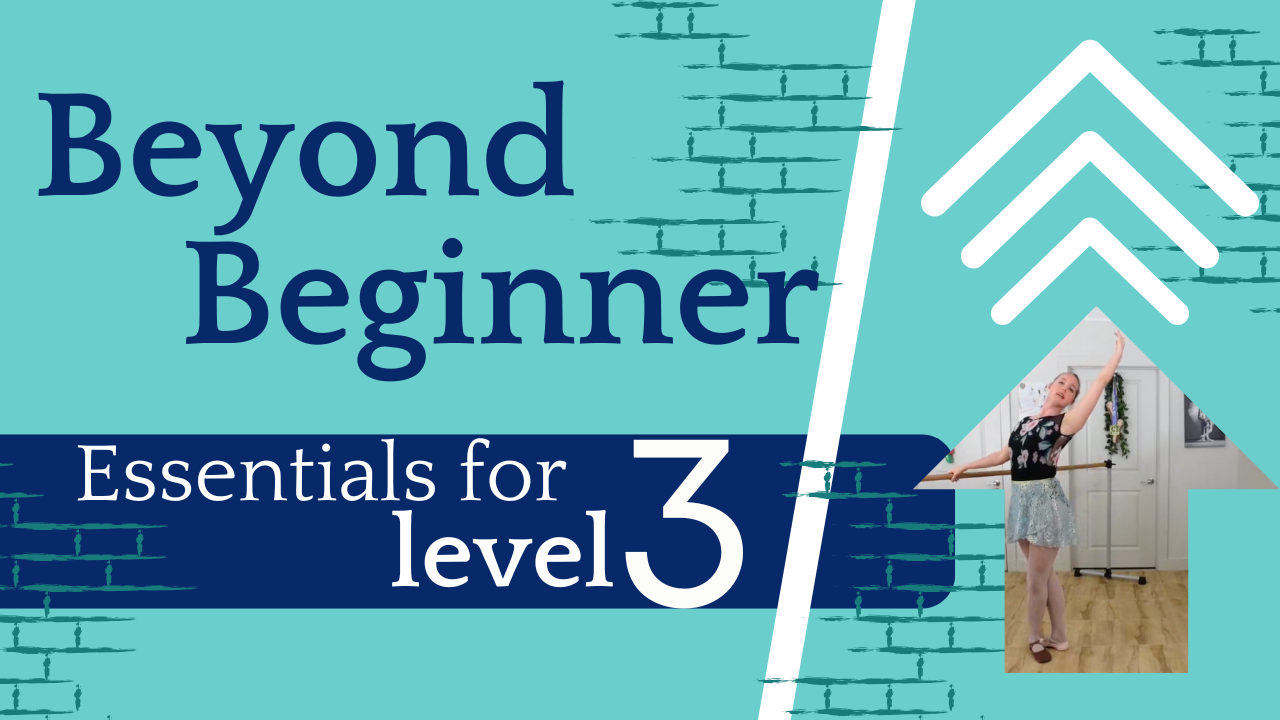
Beyond Beginner - Essentials for Graduating the Beginner Level
This program includes all the essentials you need to progress Beyond the Beginner level. Concepts include coordinating arms and legs, solidifying steps, finding your balance away from the barre, and comfort with turning. Leveling up out of the beginner level can be challenging, so practice patience, persistence and determination every step of the way.
261 classes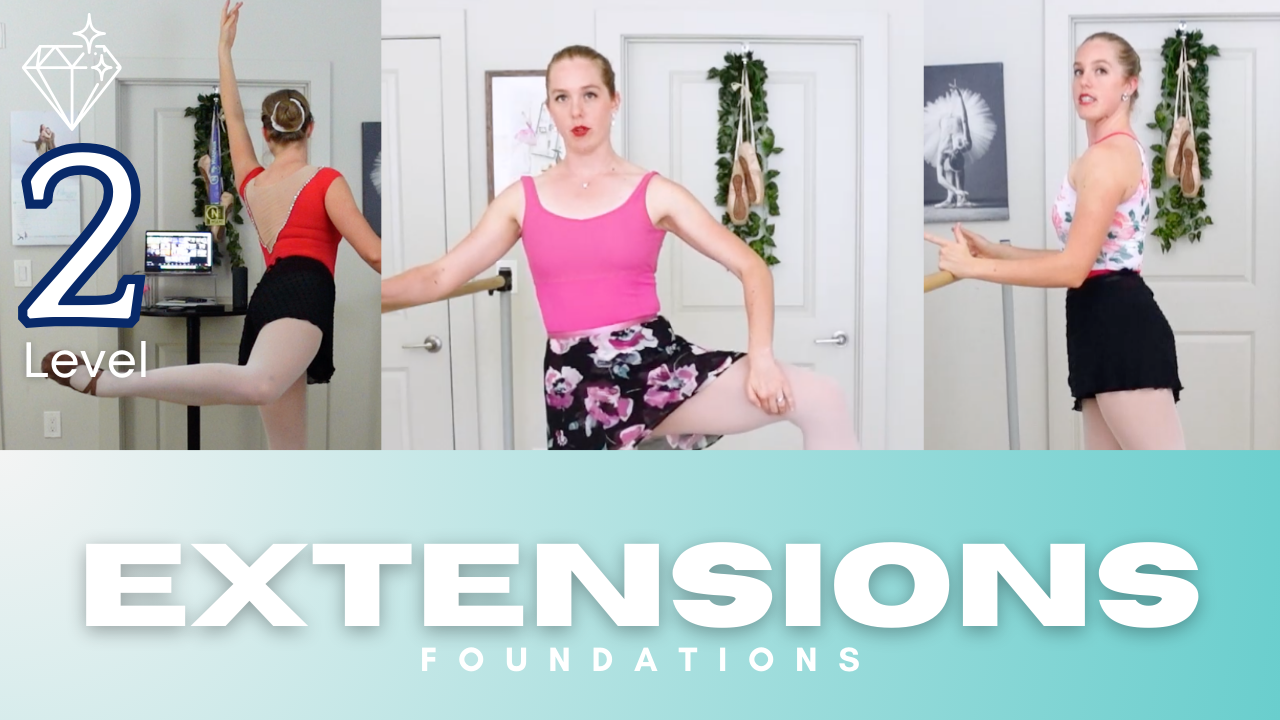
Extensions Foundations for Higher Legs
Dreaming of a higher développé, and higher legs in arabesque? Extensions, Level 2 lays the essential foundation for building the strength, flexibility, and technique needed to lift up those legs.
32 classes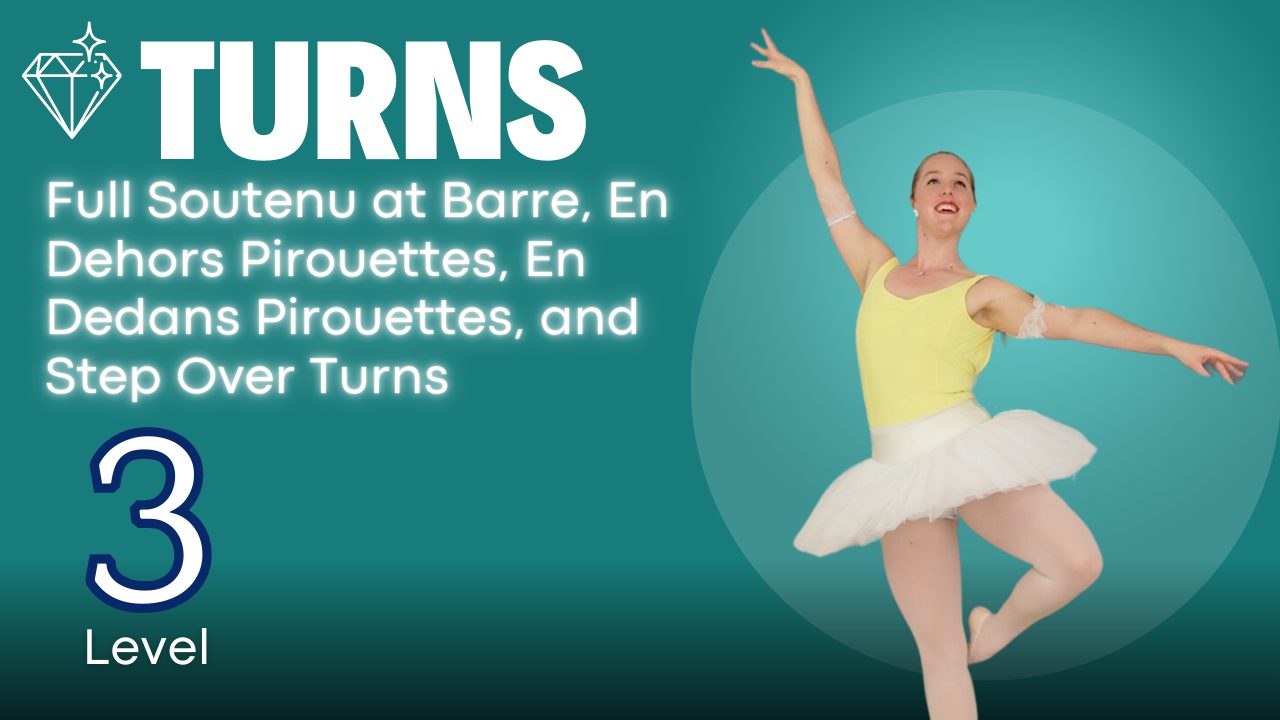
Your first Pirouettes
Full Soutenu at Barre, En Dehors Pirouettes, En Dedans Pirouettes, and Step Over Turns
93 classes