What You'll Learn
- The difference between horizontal and vertical chest expansion
- How to maintain the connection between the sternum and belly button
- Techniques for lifting from the back body to naturally lower the shoulders
- Applying proper chest alignment to movements like cambré back
About This Video
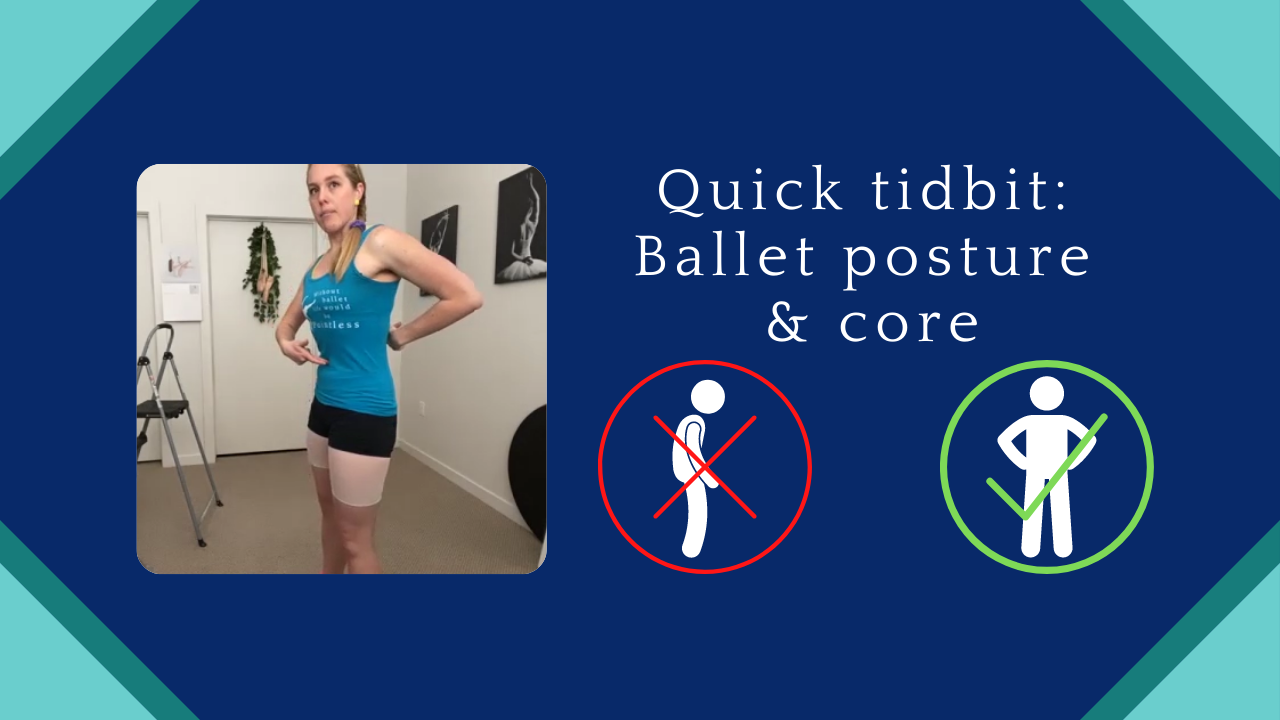
Maintaining impeccable ballet posture is about more than just standing straight; it is about the intricate relationship between the front and back of your body. In this guide from Broche Ballet, we explore a common technical correction: opening the chest horizontally rather than vertically. Many dancers, in an attempt to show a proud chest, inadvertently puff their ribs forward or arch their lower back.
This vertical expansion breaks the connection between the sternum and the belly button, leading to a loss of core stability. Instead, we focus on horizontal expansion. Imagine your collarbones widening to the sides of the room.
This allows the chest to remain open and expressive without sacrificing your alignment. To achieve this, you must learn to lift from the back of the body. By engaging the muscles along the spine and the underside of the shoulder blades, you create a sense of height that does not rely on pushing the chest out.
This internal lift is what allows your shoulders to drop naturally away from your ears, creating the long, elegant neck required in classical dance. This principle is particularly vital during movements like cambré back. When arching backward, the temptation is to lead with the chest, which can cause pinching in the lower back.
By keeping the front of the body connected—keeping that distance between the ribs and hips stable—you ensure the movement comes from a lift in the upper back. This creates a more beautiful line and protects your spine. Whether you are at the barre or in the center, focusing on this horizontal breadth will transform your presence and balance.