
What You'll Learn
- The correct sequence of movement for an assemblé: plié, brush, jump, and land.
- How to execute a crisp changement by changing feet in the air.
- Techniques for landing softly to protect joints and improve stability.
- Proper foot articulation and the importance of pointing toes mid-jump.
About This Video
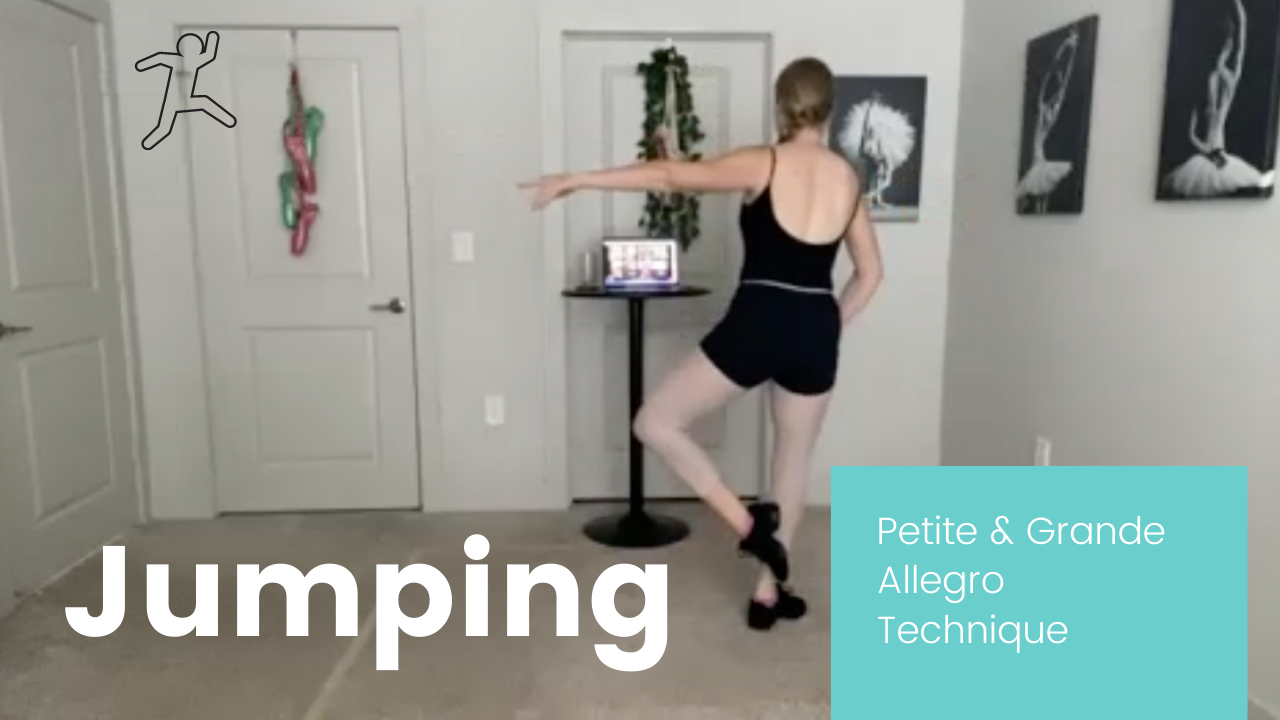
In this 10-minute targeted practice session from Broche Ballet, we dive deep into the foundations of petite allegro. Jumping is one of the most exhilarating parts of ballet, but it requires precise mechanics to ensure both grace and safety. We begin by reviewing the fundamental mechanics of the jump: the essential plié and relevé.
Without a deep, elastic plié, a dancer cannot generate the power needed for height, nor can they safely absorb the impact upon landing. " We break down the complex coordination required to brush the leg out, jump from one foot, and "assemble" both feet in the air before landing in fifth position. You will learn how to maintain a straight, energized leg during the brush and how to point your toes the instant your foot leaves the floor.
Proper foot articulation is key here; the brush must be sharp and the landing must be controlled, rolling through the feet from toe to heel. Following the assemblé breakdown, we introduce the changement. This step involves changing which foot is in front while in the air.
We practice these steps with music, focusing on timing and the 5-6-7-8-and-1 count to ensure your movements are musical and crisp. Throughout the class, we emphasize alignment, keeping the core engaged to stay vertical and centered. Whether you are practicing at home or in a studio, these drills are designed to build the muscle memory necessary for more advanced allegro work.
We conclude by shaking out the legs and resting—a crucial step in preventing fatigue-related injuries. Join us at Broche Ballet to transform your jumps from heavy to light and effortless.


