What You'll Learn
- How to maintain a low attitude for better control and hip stability during the movement.
- Techniques for creating a smooth, 'thrown' arc rather than a flat, linear kick.
- The importance of flipping the heel forward at the peak to maintain proper turnout.
- Strategies for keeping the pelvis perfectly still during complex leg rotations.
About This Video
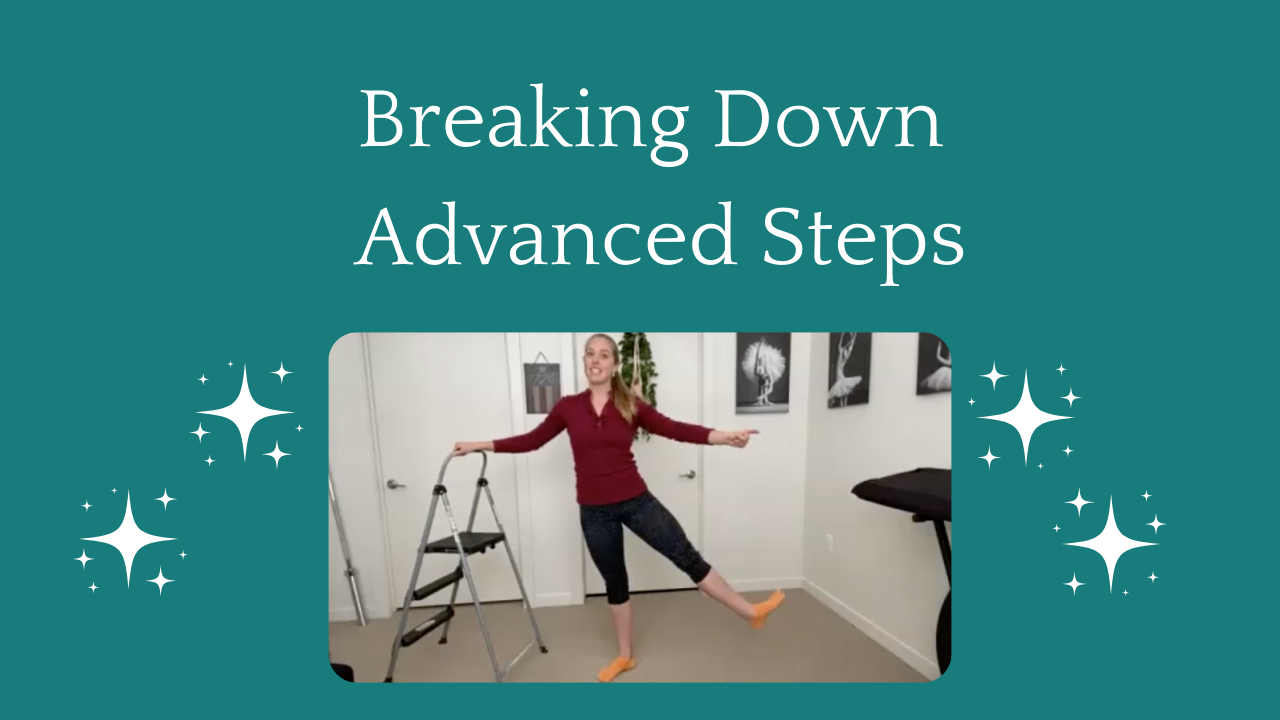
The rond de jambe jeté is a dynamic and expressive movement in ballet that often challenges dancers to find the perfect balance between power and control. In this 'Quick Tip' session from Broche Ballet, we dive deep into 'bridging the gap' for this specific step, ensuring your execution is both technically sound and aesthetically pleasing. Whether you are performing this at the barre or in the center, understanding the mechanics of the arc is essential.
One of the most common misconceptions about the rond de jambe jeté is that it requires a high kick or a wide, circular sweep. However, the secret to a professional-looking jeté lies in the 'low attitude.' Regardless of your skill level, starting the movement in a low attitude allows for greater hip stability and a more controlled trajectory. The goal is to create a smooth, beautiful arc—much like throwing a ball up and over a fence—rather than a sharp, flat kick that hits a wall. This visualization helps in achieving a fluid motion that connects the floor through a tendu and into the air.
During this breakdown, we focus on the transition of the leg through the air. As the leg moves, the knee should go up and back simultaneously, creating a 'flip' at the high point of the movement. This ensures that the heel remains in front of the knee as you come forward, particularly when working en dedans (inward). Keeping the hips perfectly still is crucial; any wobbling in the pelvis will disrupt the line and the arc. We also explore the relationship between the rond de jambe jeté and other fundamental movements like the rond de jambe en l'air. By visualizing the movement as a small arc that starts and ends at the floor, you can avoid the 'karate kick' look and achieve the grace required in classical ballet. Join us at Broche Ballet to refine your technique and bring more elegance to your daily practice.