What You'll Learn
- Techniques to create an 'inner thigh wall' for maximum stability
- How to prevent the standing hip from popping out during transitions
- Proper energy management to avoid pushing off the working foot
- Applying hip alignment principles to rond de jambe movements
About This Video
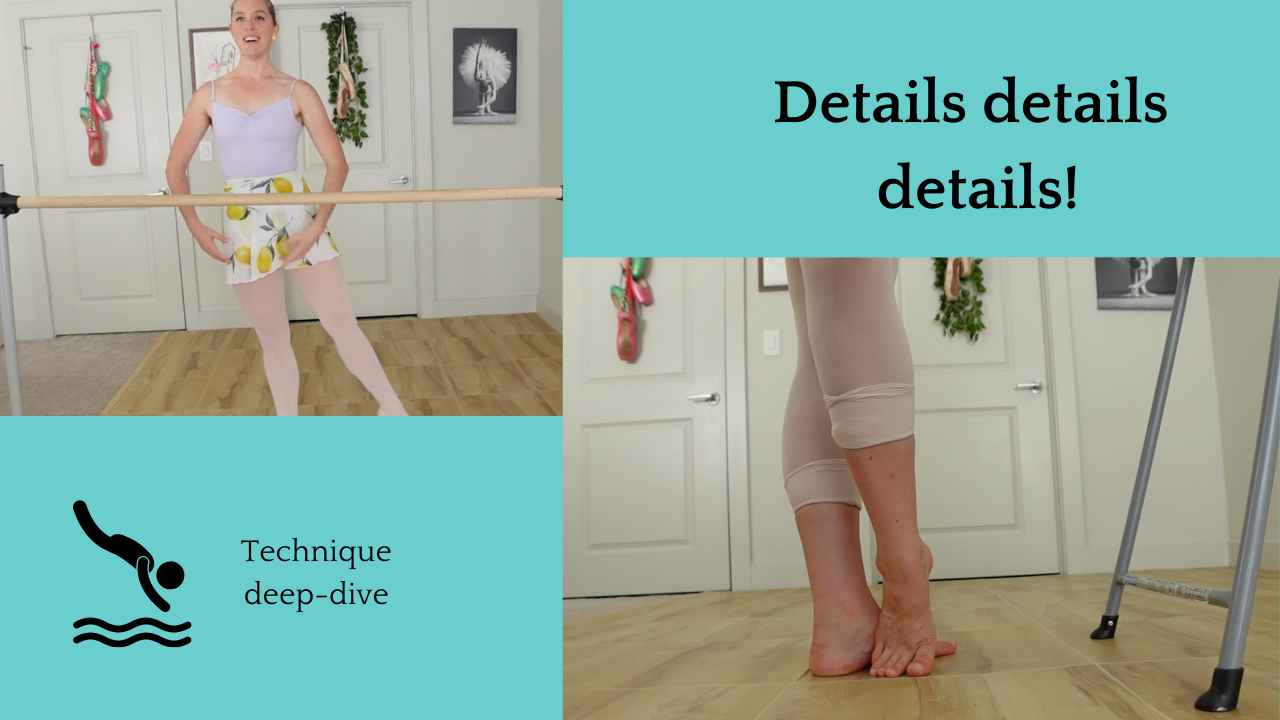
In this technical tutorial from Broche Ballet, we dive deep into a common challenge faced by many dancers: maintaining a stable standing hip. When we move through a dégagé or execute a rond de jambe, it is incredibly tempting to let the standing leg collapse or "fall" as the working leg returns to the center. This often happens because we lack the specific engagement in the inner thigh and the side of the body necessary to keep our alignment vertical.
To fix this, you must learn to think of your standing inner thigh and hip as a solid wall. This metaphorical wall provides the resistance needed to keep your torso stacked directly over your supporting foot. When you close from the side into 5th position, or when the leg travels back during a rond de jambe, your goal is to pull the hip inward and squeeze it across rather than letting it pop out to the side.
One of the biggest culprits of a falling hip is pushing off the floor with too much force from the working foot. When you use your foot to shove yourself back to center, the energy travels upward and displaces the standing hip. Instead, focus on controlling the energy of the movement.
By engaging your core and the deep rotators of the hip, you can draw the leg back with precision. This concept is particularly vital during a rond de jambe en dehors. As the leg moves from side to back, the weight distribution shifts.
If the standing hip isn't held firm, you lose the integrity of your turnout and your balance. At Broche Ballet, we emphasize these small but transformative adjustments that elevate your technique. By treating your inner thigh like a stabilizing wall, you ensure that every movement is clean, strong, and properly aligned.