What You'll Learn
- The mechanics of anti-rotation to stabilize your torso during complex leg movements.
- How to find and maintain a correct tabletop position for maximum abdominal engagement.
- Strategies for pelvic stability during bridge variations, including marching to demi-pointe and pointe.
- Techniques for using the breath to support the spine and enhance functional core bracing.
- Pelvic alignment drills to improve your standing ballet posture and overall verticality.
About This Video
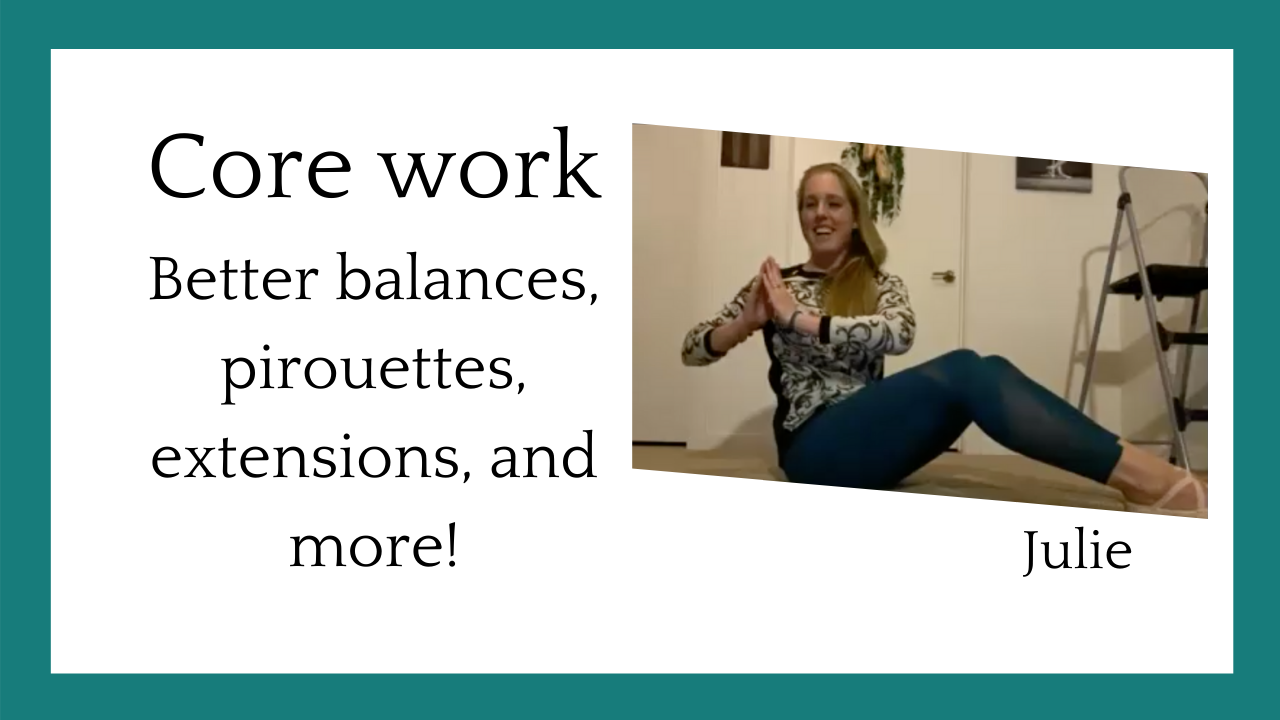
In the world of classical dance, a strong core is about more than just aesthetics; it is the foundation of every movement. Broche Ballet presents this 14-minute floor conditioning session specifically designed to target anti-rotation—the ability of your body to resist unwanted movement in the spine and pelvis while your limbs are in motion. This skill is critical for achieving a quiet upper body and technical precision during challenging sequences at the barre or in the center.
Throughout this practice, you will explore gentle yet effective core activation exercises. We begin with controlled side-to-side knee dips and progress to a precise tabletop position. The instructor emphasizes the importance of alignment, ensuring your knees remain directly over your hips to properly engage the deep abdominals.
You will also work through pelvic tilts and straight-leg raises designed to mimic the vertical alignment needed for standing ballet positions. A key highlight of this session is the glute-strengthening bridge series. By incorporating marching variations and movements to demi-pointe or full pointe, you will challenge your pelvic stability and force your core to brace against rotational forces.
Learning to keep your hips level as you transition weight is a game-changer for your balance and control. Incorporating these exercises into your weekly routine will help build the muscle memory required for seamless transitions in adagio and allegro. By the end of this floor-based conditioning class, you will have a better understanding of how to use your breath to support your exertion.
Exhaling during the most difficult phases of an exercise provides essential spinal support, helping you maintain a neutral neck and steady torso. Whether you are an intermediate dancer or an advanced student, these supplemental drills offer the functional strength needed to elevate your ballet technique and maintain a professional line.