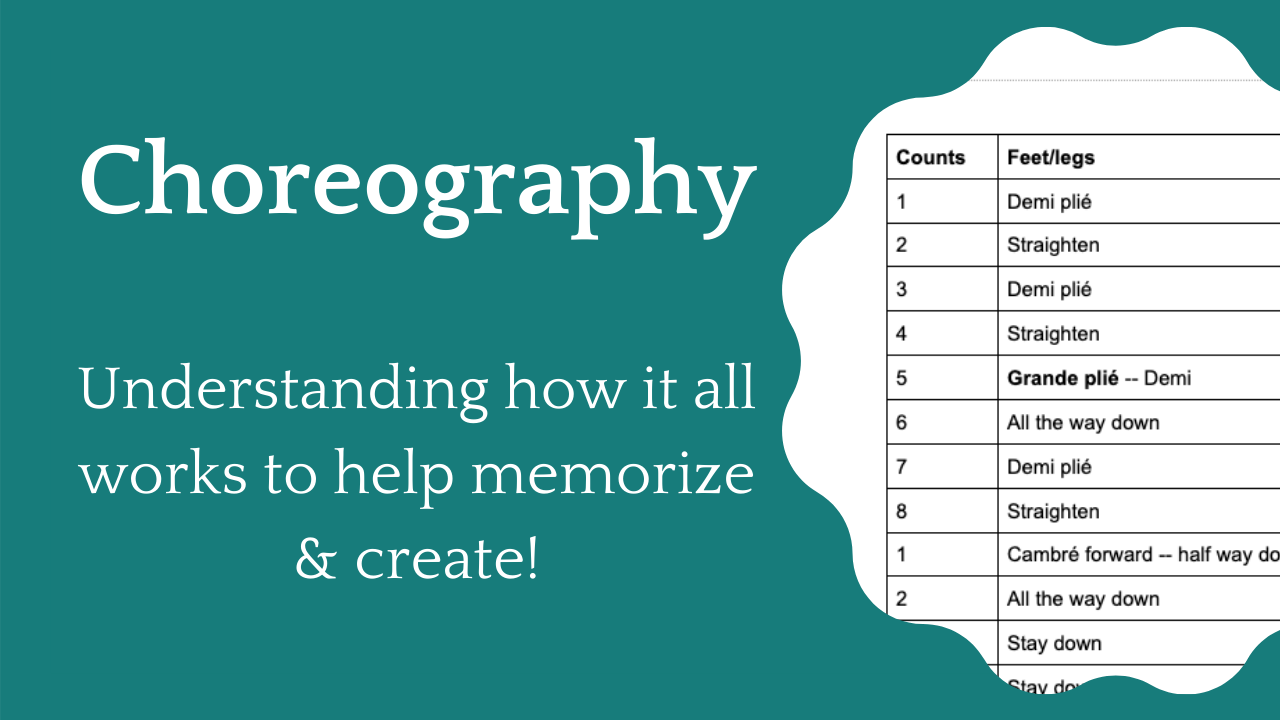
What You'll Learn
- How to select a central 'peak' movement to anchor your choreography
- The 'working backward' method for creating logical dance sequences
- Techniques for simplifying transitions to highlight complex skills like chaînés
- How to prepare the body for success through strategic weight distribution
- Strategies for building student confidence through structured center combinations
About This Video
Have you ever wondered how your favorite ballet teachers create such fluid and effective combinations? At Broche Ballet, we believe that understanding the logic behind choreography can significantly enhance your practice, whether you are teaching a class or structuring your own personal training. This video tutorial dives deep into the methodology of building a center class sequence that feels both natural and purposeful.
The secret to successful ballet choreography often lies in the art of working backward. Instead of starting with the very first step and hoping the sequence flows together, identify your "peak" movement—the specific skill or step you want to highlight. Perhaps it is a series of chaînés turns, an elegant balancé, or a crisp pirouette.
Once you have determined your destination, you can map out the most effective path to get there. A key takeaway from this lesson is the importance of student trajectory. When choreographing for a class, you must consider what the dancers need to feel in their bodies before they reach the main event.
If your goal is a complex waltz sequence ending in a pas de bourrée, the preceding steps should focus on correct weight distribution and leg placement. Often, keeping the dancing simpler and more minimal in the buildup allows the dancer to focus their energy and technical precision on the desired movement. We also explore how to use transition steps as bridges rather than distractions.
By prioritizing the key movement over unnecessary flourishes, you create a combination that is educational, satisfying, and aesthetically pleasing. Whether you are practicing at home or preparing to lead a group, these choreography tips will help you bridge the gap between isolated technical exercises and full artistic expression. Join us to start crafting your own unique ballet combinations today.