What You'll Learn
- The reverse-engineering method: starting with a technical goal and working backward to the start
- How to select a 'hero' move like a pirouette or balancé to anchor your combination
- The importance of using transition steps like the pas de bourrée for proper weight placement
- Techniques for simplifying choreography to highlight and improve specific technical skills
About This Video
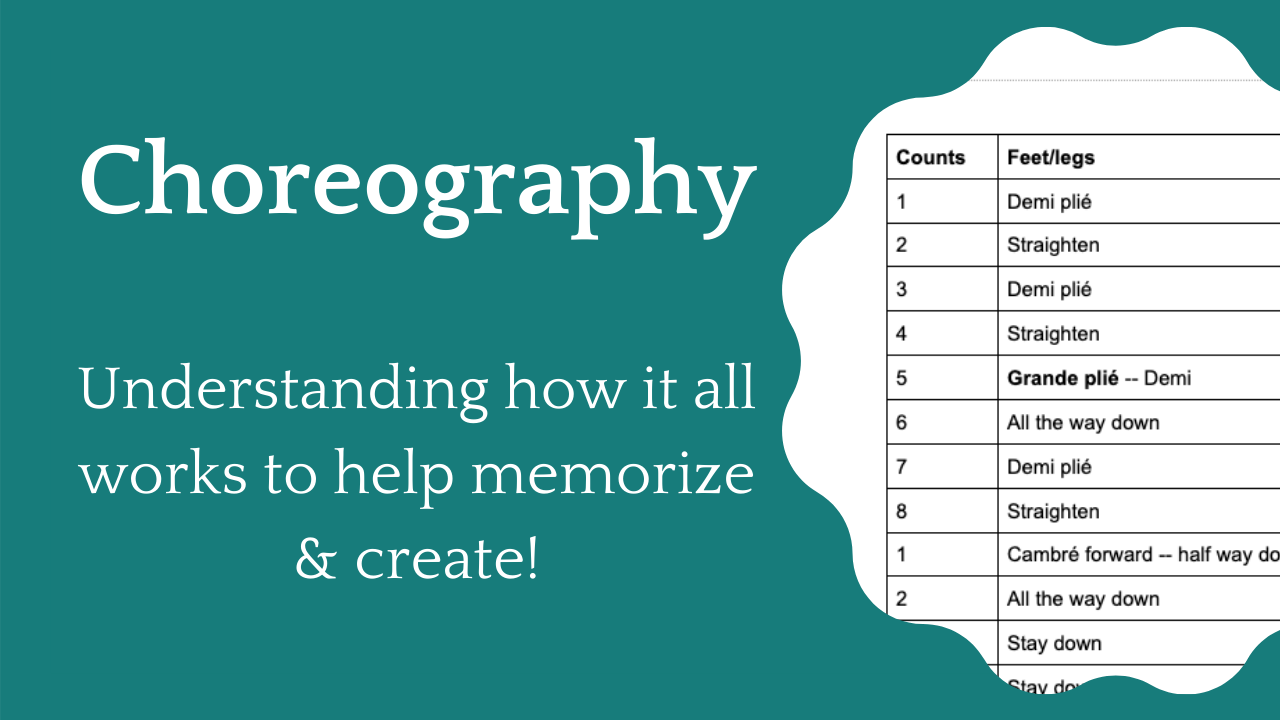
Creating a cohesive and effective ballet combination for a center class is both an art and a science. At Broche Ballet, we believe that understanding the "why" behind choreography helps dancers improve their technique and artistry. In this guide, we dive deep into the process of choreographing for class, offering a roadmap for anyone looking to get started with their own combinations.
The most effective way to begin is by identifying a specific skill or "hero" move you want to highlight. Whether it is a series of chaînés turns, a graceful balancé, or a powerful pirouette, your entire combination should serve as a support system for that movement. By starting with the desired outcome and working backward to the beginning, you can ensure that every transition step—like a pas de bourrée or a simple waltz—is purposefully placed to set the dancer up for success.
Think of your choreography as a story where the climax is the technical feat you want to master. One common mistake in choreography is over-complicating the sequence. To truly master a specific skill, the surrounding choreography should be minimal and focused.
If the goal is a triple turn, the lead-up should prioritize correct leg positioning and weight distribution rather than intricate floorwork that might distract the dancer. This approach allows the student to focus on the mechanics of the movement, leading to better execution and more confidence in center class. By keeping the "filler" steps simple, you create a clear path for the student to achieve the intended "message" of the exercise.
Transitions are the glue that holds a combination together. When you choreograph, pay close attention to how one movement flows into the next. Are the arms in the correct position for the upcoming pirouette?
Is the weight over the supporting leg after the balancé? By focusing on these details, you create a trajectory that builds momentum and prepares the body for more complex sequences. Whether you are an aspiring teacher or a student wanting to understand the logic of the studio, this guide will empower you to pick a move you love and build a world around it.