
What You'll Learn
- How parallel movement reduces knee pressure and balances out ballet turnout.
- Correct alignment techniques focusing on knee-over-toe and pinky toe placement.
- Strengthening the glutes and side-hips through parallel skater lunges.
- Targeting hamstrings with single-leg plié reaches for better arabesque control.
- Balance challenges that integrate core stability with upright upper-body posture.
About This Video
Building a strong foundation for ballet goes beyond the movements performed at the barre. It requires targeted leg conditioning to ensure that your body can handle the unique demands of turnout, jumps, and sustained balances. In this 10-minute session from Broche Ballet, we dive into specific stability and strength exercises designed to support your dance practice and prevent injury.
A primary focus of this class is parallel movement. While ballet training often emphasizes external rotation, working in parallel is essential for reducing pressure on the knees and lower body joints. By incorporating parallel conditioning into your routine, you build a more resilient and balanced physique that can better handle the rigors of turnout.
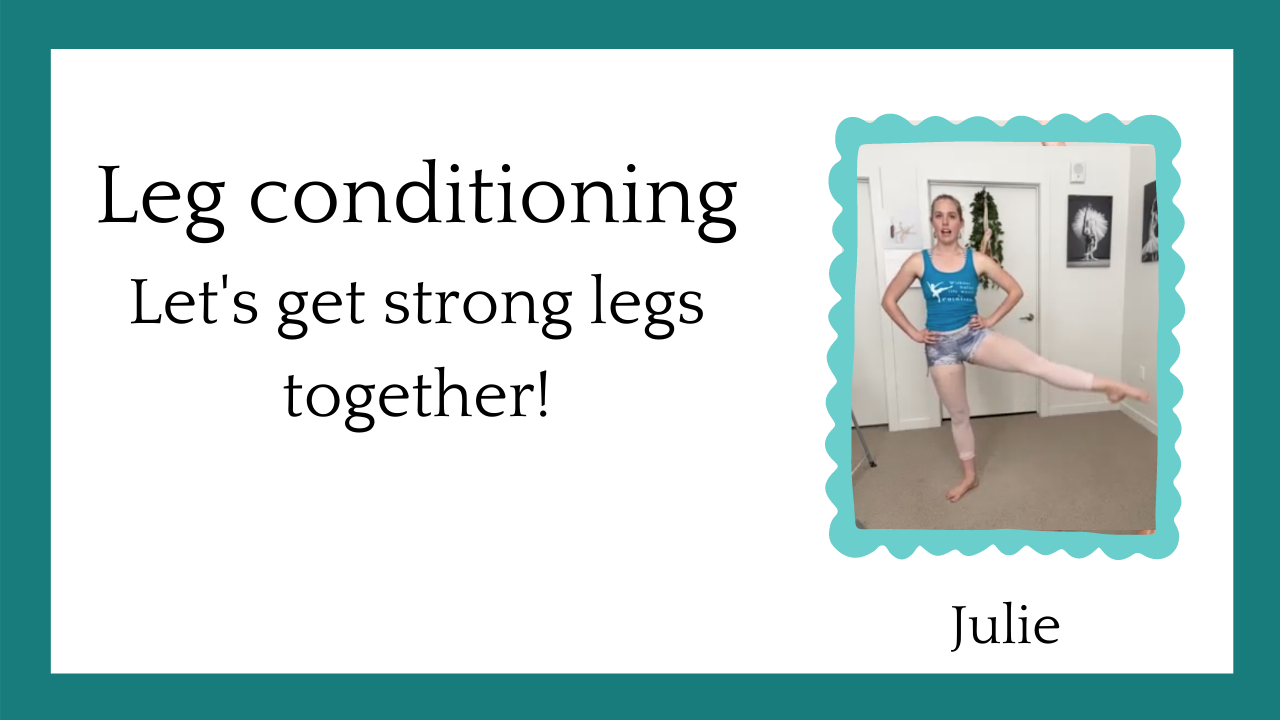
One of the key exercises covered is the parallel skater lunge. This movement targets the side of the hip and the glutes, which are vital for maintaining stability in various ballet positions. During this exercise, Julie emphasizes the importance of a proper hip hinge.
By sending your hips back and squeezing your glutes to return to a standing position, you ensure the movement is powered by the correct muscle groups, protecting your lower back from strain. Another critical element of this conditioning class is the single-leg plié. Reaching down while performing a plié on one leg allows you to both stretch and contract the hamstrings, which is especially beneficial for achieving a higher arabesque and more controlled, fluid landings.
Throughout these exercises, we maintain a strict focus on proper alignment. You will learn to keep your knee tracked over your second toe and ensure your pinky toe remains flat on the ground. These small but crucial adjustments are the difference between a shaky balance and a rock-solid foundation for pirouettes and relevés.
We also address upper body carriage, noting that keeping your hands at your chest or behind your ears helps engage the shoulder blades. This 10-minute routine is the perfect supplement to your regular ballet classes, helping you build functional strength for technical work.