What You'll Learn
- Techniques to activate intrinsic foot muscles for superior stability
- How to maintain long, straight toes in tendu and coup de pied
- Proper ankle alignment over the second toe to prevent injury
- The difference between an aesthetic point and a functional ballet foot
- Exercises to prepare the feet and ankles for en pointe work
About This Video
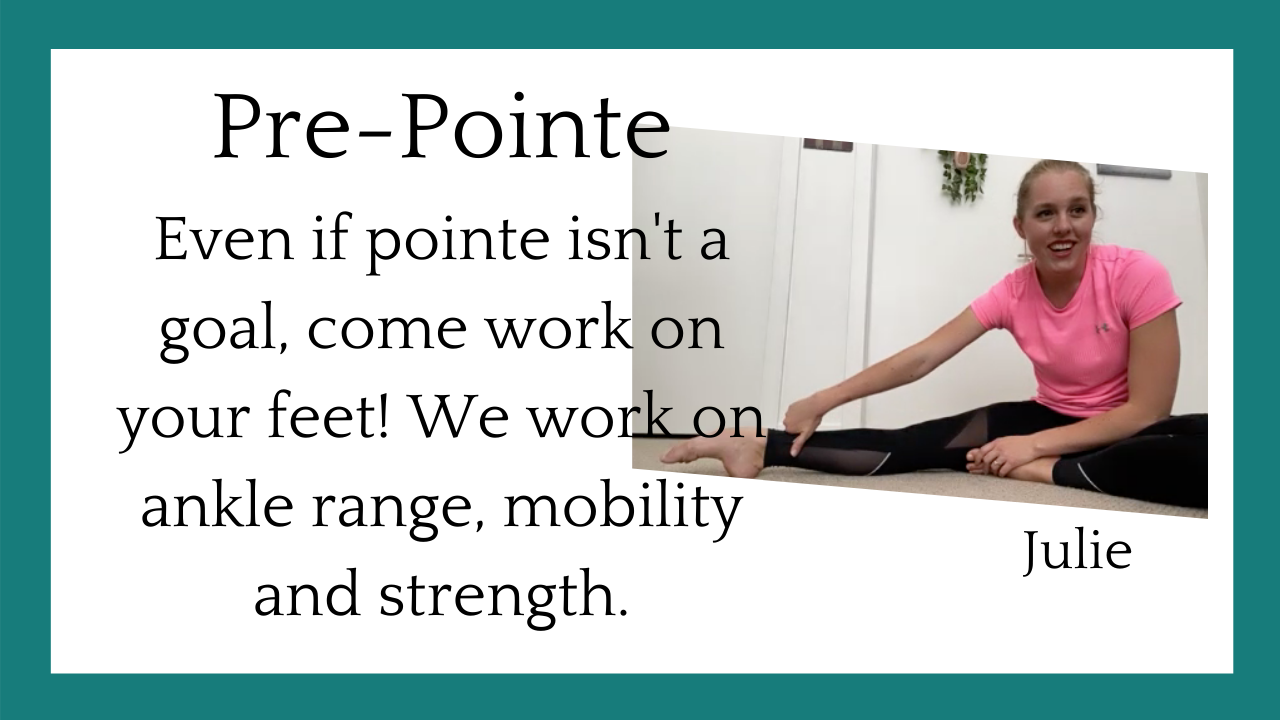
Achieving a beautiful ballet line starts with the feet, but many dancers fall into the habit of 'crunching' or curling their toes to create an arch. In this Broche Ballet pre-pointe class, we dive deep into the mechanics of the functional foot. Unlike other styles of training where curling might be used for aesthetics, classical ballet requires a powerful, long, and straight toe to provide stability and lift.
You will learn how to activate the intrinsic muscles in the arch of your foot by pushing down into the floor. This downward pressure is the secret to a high, secure demi-pointe and eventually successful work en pointe. We explore the anatomy of the ankle joint, ensuring your weight is centered over the second toe rather than 'sickling' or leaning toward the fourth toe.
This alignment engages the soleus and tibialis posterior, providing the structural integrity needed for advanced movements. Throughout the lesson, we apply these principles to fundamental movements like the tendu and coup de pied. By focusing on keeping the toes long even when fully pointed, you build the necessary strength to lift your heels higher and stabilize your ankles.
We also cover essential recovery techniques, including the counter stretch, to maintain flexibility while building power. Whether you are preparing for your first pair of pointe shoes or simply want to improve your balance and foot articulation, this session provides the technical foundation every adult dancer needs. Transform your feet from purely aesthetic to truly functional with these targeted exercises.