What You'll Learn
- How to activate intrinsic foot muscles to avoid toe curling
- Techniques for a stable and high demi-pointe position
- The difference between functional ballet feet and aesthetic curling
- Exercises to engage the soleus and tibialis posterior for ankle support
- Transitions from tendu to cou-de-pied with proper toe alignment
About This Video
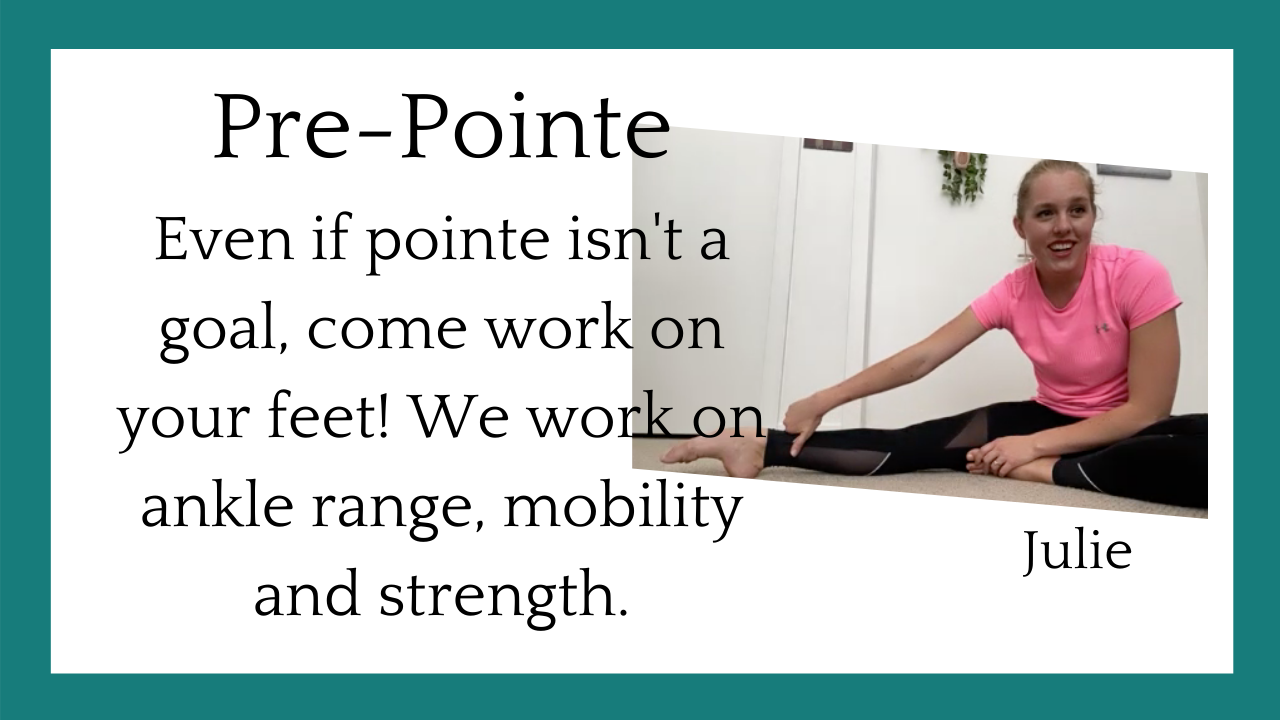
The ballet foot is one of the most iconic parts of a dancer's silhouette, but achieving that perfect line requires more than just flexibility—it requires functional strength. In this Broche Ballet pre-pointe session, we dive deep into the mechanics of pointing your foot without the common mistake of scrunching or curling the toes. When we curl our toes, we actually shorten the line of the leg and lose the stability needed for advanced movements.
True ballet technique relies on the intrinsic muscles of the foot to maintain length. By activating the muscles in the arch and pushing down through the toes into the floor, you create a solid foundation that stabilizes the ankle joint. This session focuses on the tibialis posterior and the soleus, which are essential for a high, secure demi-pointe.
You will learn a specific progression from demi-pointe to full pointe. The instructor demonstrates how to lift the heel while keeping the toes lengthened and engaged against the floor. This action generates the power needed for movements like tendu and cou-de-pied.
Unlike purely aesthetic styles found in some other disciplines, the ballet pointed foot is designed for weight-bearing and propulsion. Keeping the toes long, even if they do not all reach the ground at the same time, ensures your weight is distributed correctly through the ball of the foot. Whether you are preparing to dance en pointe for the first time or you are an experienced dancer looking to refine your articulation, these exercises are vital.
Consistent practice of these pre-pointe foundations will help prevent sickling and ensure that your ankles remain straight and supported. Join us at Broche Ballet as we deconstruct the foot's anatomy to help you achieve the long, elegant, and powerful lines required for classical ballet.