What You'll Learn
- How the retinaculum tissue affects ankle flexibility and relevé height
- Techniques for massaging and strengthening the foot joints to improve range of motion
- The role of intrinsic muscles in achieving a strong, stable arch
- Why a straight foot line is often superior to a 'banana' foot for stability en pointe
- Practical exercises to transform your foot shape through consistent practice
About This Video
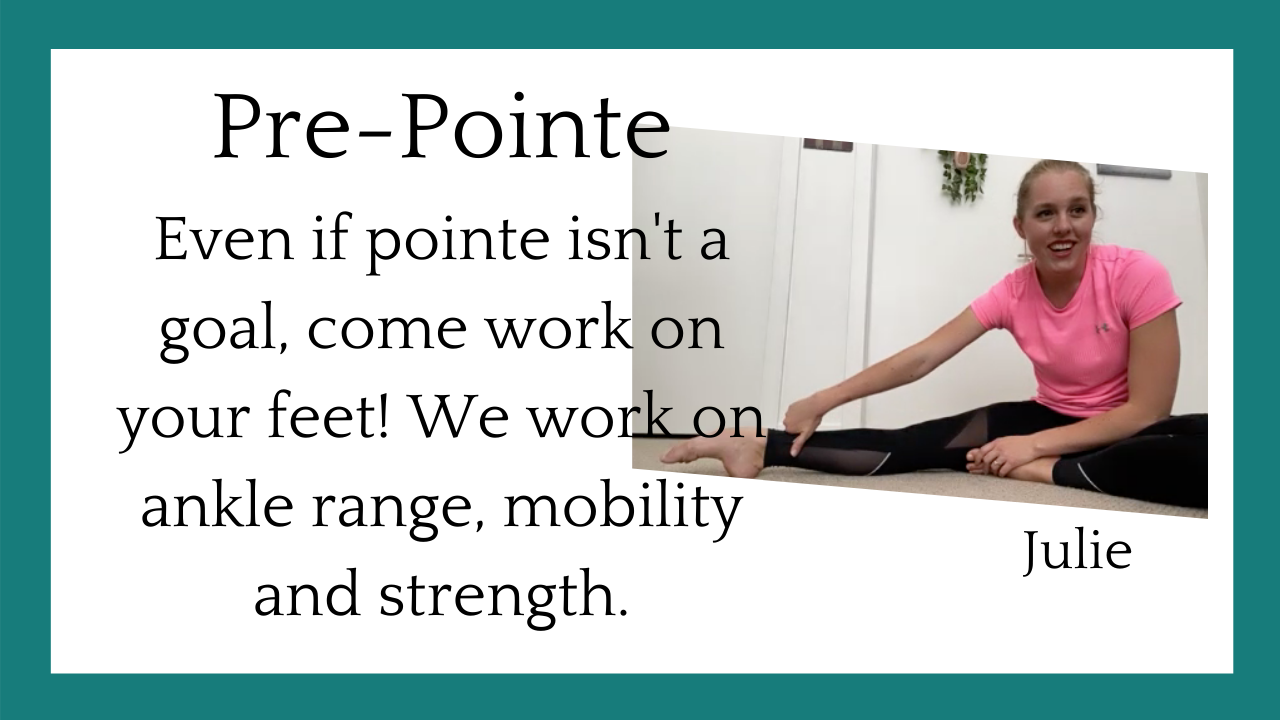
Every dancer dreams of beautiful, arched ballet feet, but functionality is just as important as aesthetics. In this Q&A session, Broche Ballet explores the science and technique behind improving your feet for better relevés and more secure pointe work. Many dancers believe their foot shape is set in stone by genetics, but while your bone structure is fixed, your joints and soft tissues are remarkably adaptable.
We dive deep into the anatomy of the foot, specifically looking at the retinaculum—the band of connective tissue across the front of the ankle. If this area is tight, it can significantly limit your range of motion, making it difficult to achieve a high relevé or get fully over your box en pointe. You will learn how targeted massage and specific strengthening exercises can help release this tension, allowing for a more fluid and aesthetically pleasing line.
Furthermore, we discuss the importance of the intrinsic muscles. Through exercises like doming, dancers can strengthen the small muscles under the arch that provide the necessary support for advanced footwork. Interestingly, the ideal ballet foot isn't necessarily a hyperextended banana foot.
A straight, strong line often provides more stability and power than a highly flexible but weak arch. Whether you are a beginner looking to understand your body better or an intermediate dancer preparing for pointe shoes, this guide provides the anatomical knowledge and practical steps needed to transform your feet. Join Broche Ballet as we debunk myths about foot shape and give you the tools to improve your flexibility and strength from the ground up through consistent practice and correct alignment.