What is the Difference Between Vaganova and Balanchine Ballet?
Vaganova is a rigorous Russian method focusing on harmonious, rounded lines, precise épaulement (body placement), and a logical, cumulative syllabus. Balanchine, developed in America, emphasizes extreme speed, deep pliés, syncopated musicality, and a more linear, expansive aesthetic. While Vaganova prioritizes classical structural purity, Balanchine focuses on athletic prowess and neo-classical movement.
While both Vaganova and Balanchine styles share the same foundational vocabulary, they offer distinct experiences for the dancer. Vaganova is a codified Russian methodology designed to build a dancer from the inside out over many years. Balanchine, often called the "American style," was created by George Balanchine to push the boundaries of speed and space. For the adult dancer, understanding these differences helps you navigate various classes and choose the aesthetic that resonates with your personal goals.
The Vaganova Method: Logic and Harmony
Developed by Agrippina Vaganova, this method is known for its incredible detail and logical progression. It treats the body as a single unit where the movement of the arms, legs, and torso are inextricably linked. In Vaganova training, you will notice a heavy emphasis on épaulement—the way the head and shoulders turn in relation to the lower body to create a three-dimensional look.
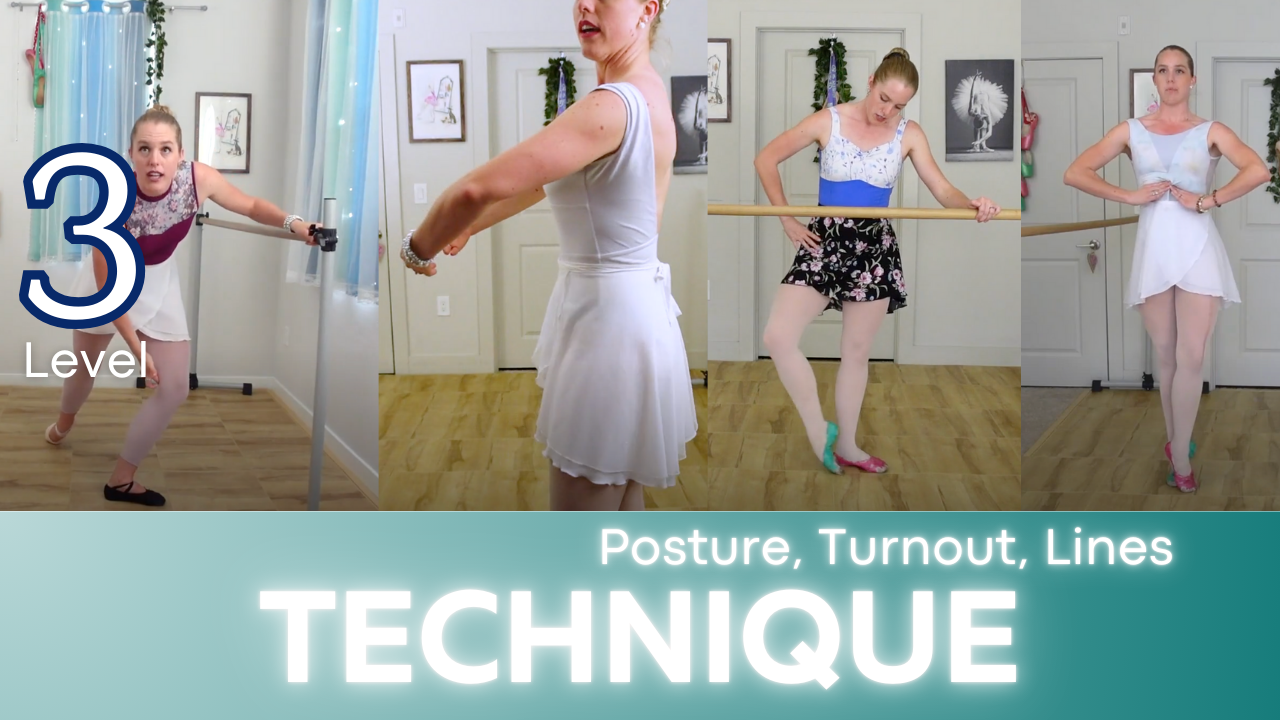
In our program Advancing Technique with Posture, Turnout and Ballet Lines, we explore this full-body harmony. Vaganova technique requires the dancer to move with a certain "breath" in the upper body, making even the most difficult steps look calm and effortless. The movements are generally performed exactly on the beat of the music, emphasizing a squareness and stability that is excellent for building a strong foundation.
The Balanchine Style: Speed and Space
George Balanchine, a graduate of the Imperial Ballet School (where Vaganova also taught), took those Russian roots to New York and sped them up. The Balanchine style is characterized by an athletic, hungry use of space. Dancers often stand with their weight further forward on the balls of the feet, ready to move instantly.
Key identifiers of the Balanchine style include:
- Deep Pliés: Used as a literal spring to launch into the next movement.
- The Hands: Often more "active" or open, sometimes called "claw hands," compared to the soft, tucked thumb of Vaganova.
- Speed: Petite allegro and pointework are often performed at a blistering pace.
- Musicality: Balanchine dancers often play with the music, landing slightly before or after the beat to create a dynamic, syncopated effect.
If you enjoy fast footwork, our Adv Beginner - Intermediate Petite Allegro & Grande Allegro program will give you a taste of that high-energy movement style.
Key Technical Differences for the Adult Learner
One of the most noticeable differences for an adult is the approach to the barre and footwork. In Vaganova, you might find a more traditional heel-first approach in second position pliés, whereas modern or Balanchine-influenced teachers might focus more on inner thigh engagement and a quicker weight transfer.
Another major difference lies in the arms and head. In the Head, Épaulement, Fingers and Beautiful Ballet Lines program, we look at how different styles treat the "finer details." Vaganova arms follow very specific, rounded pathways (port de bras), while Balanchine arms can be more expansive and linear, often reaching further behind the body to create the illusion of even longer lines.
Why Your Style Choice Matters
As an adult dancer, you may not be training for a professional company, but choosing a style—or understanding the one your teacher uses—gives you a "roadmap." If you feel your dancing is too stiff, exploring Balanchine’s off-balance movements might help. If you feel disorganized or "all over the place," the structure of Vaganova can provide the necessary framework.
At Broche Ballet, our library of over 7,200 videos covers these nuances because we believe versatility makes you a stronger dancer. Our Technique Foundations, Basics, and Fundamentals program draws from the best of these worlds to ensure you have a safe, sustainable practice that respects adult body limitations, such as joint range of motion and recovery time.
Finding Your Path
You don't have to choose just one. Many modern dancers are "multilingual," using Vaganova’s core strength to execute Balanchine’s speed. Whether you prefer the regal, storytelling nature of the Russian style or the sharp, modern energy of the American style, the most important thing is that the movement feels good in your body. Every time you step to the barre, you are participating in a long history of evolution—from the courts of France to the academies of Russia and the stages of New York. Embrace the style that makes you feel most like a dancer today.
Next step
Related Videos
Watch classes and tutorials related to this topic
 6:09
6:09 Which Style Of Ballet
 24:13
24:13 Compare Balanchine vs. Vaganova Styles Hip Placement
 15:30
15:30 Exploring Vaganova Port de Bras
 0:33
0:33 Quick Tip: A Quote from George Balanchine about Ballet Hands
 13:04
13:04 Exploring Balanchine Hand & Arabesque: Iconic Ballet Poses
 63:51
63:51 Advanced Vaganova Ballet Barre with Katja Treger
More Programs
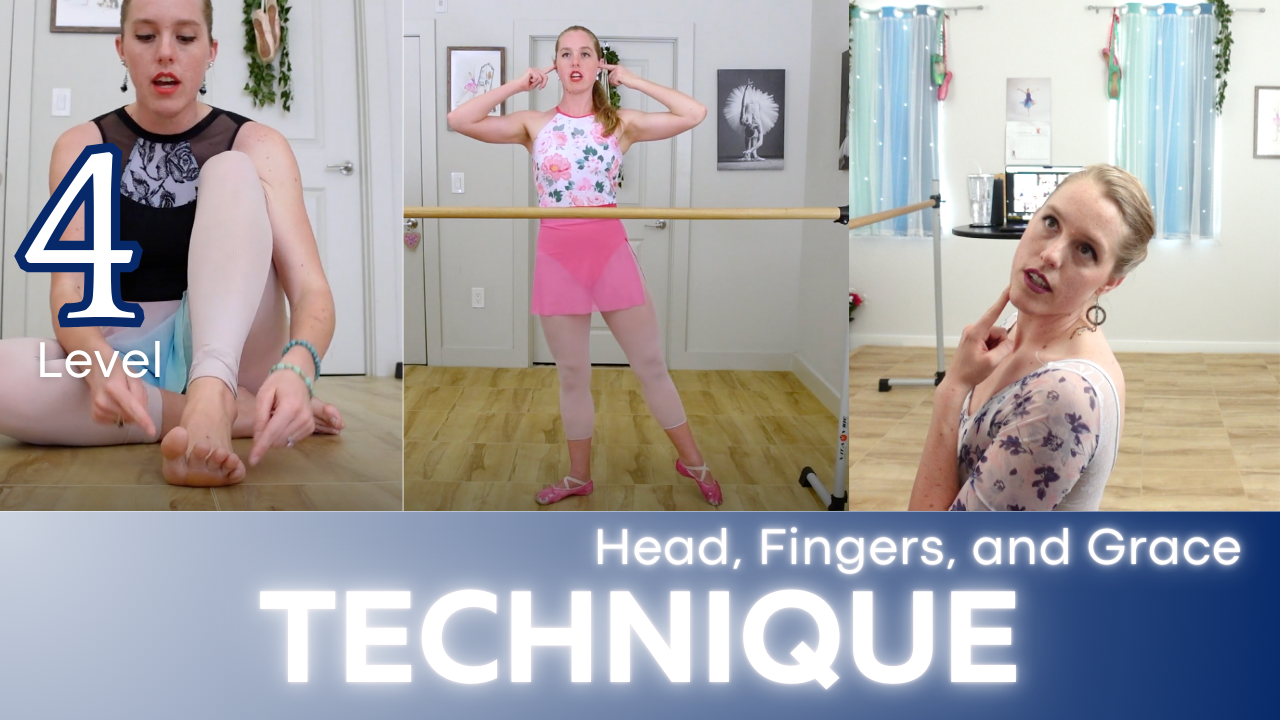
Head, Épaulement, Fingers and Beautiful Ballet Lines
Focus Areas: Shoulders, Head, Neck, Feet and Toes, Wrists, Hands, Fingers. Delve into the finer details of ballet technique and artistry in Technique, Level 4. This program emphasizes the beauty of movement, with a focus on the shoulders, head, neck, feet, toes, wrists, hands, and fingers to bring grace and sophistication to your dancing.
72 classes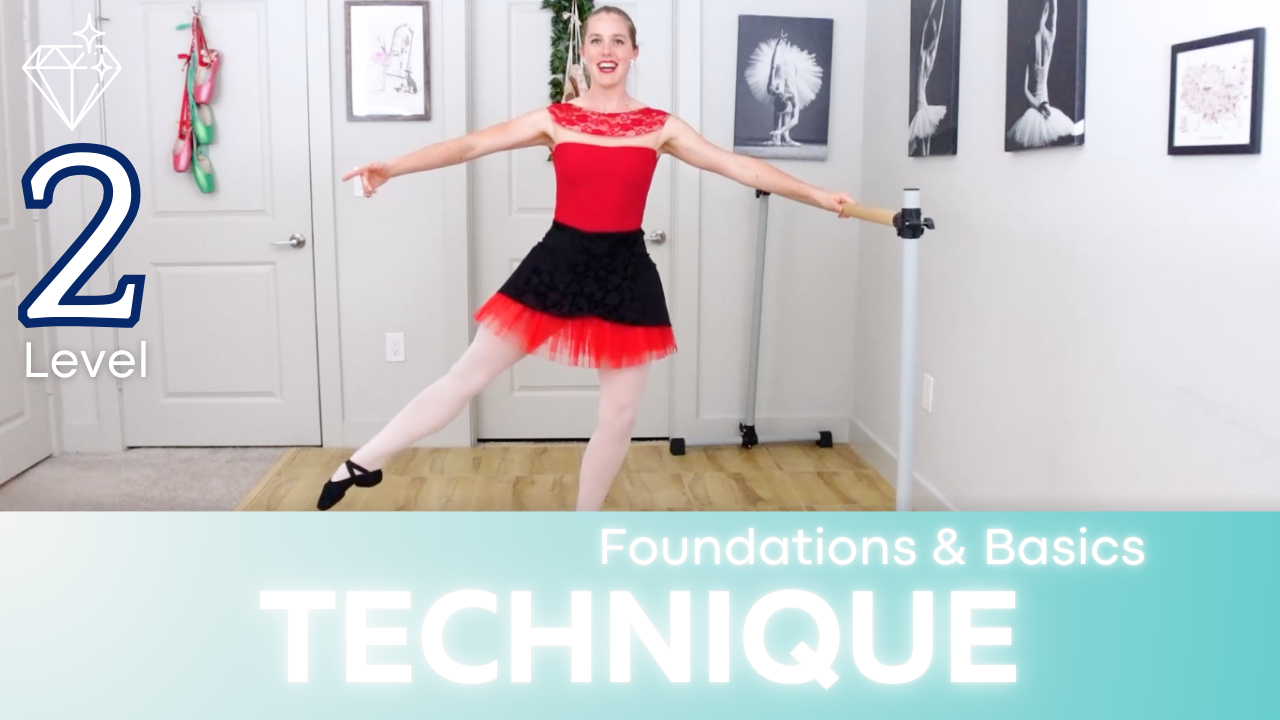
Technique Foundations, Basics, and Fundamentals
Vocabulary: 4th Position, 5th Position, Tendu Front (Devant), Tendu Side (à la Seconde), Tendu Back (Derrière or Arabesque), Cou-de-pied, Retiré (Passé), Posture, Positions of the Arms, Cambres
104 classes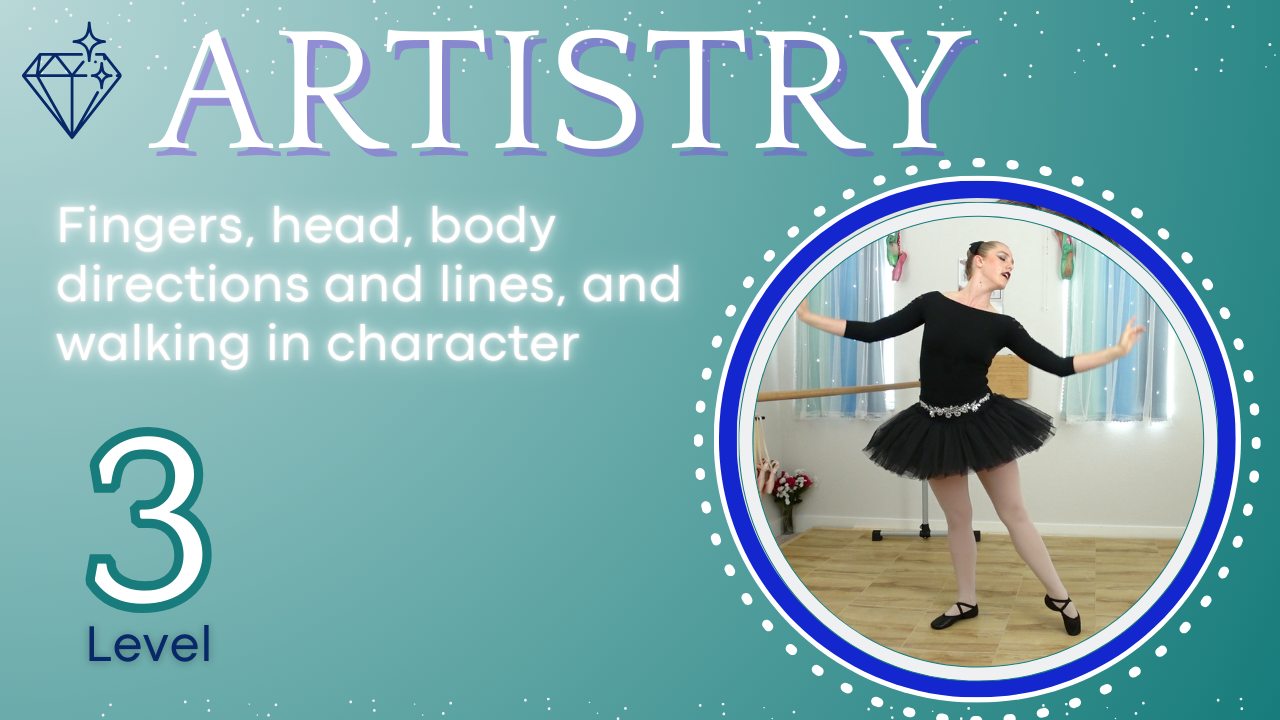
Mastering Character: Expressive Hands, Head, and Eyes
Learn the details of your fingers, head, body directions and lines, and walking in character.
65 classes