
What You'll Learn
- Techniques to isolate and strengthen the psoas for higher leg extensions.
- Core activation exercises specifically designed for devant and à la seconde positions.
- How to maintain proper turnout and alignment using a large exercise ball.
- Breathwork strategies to enhance core engagement and reduce muscle tension during complex sequences.
About This Video
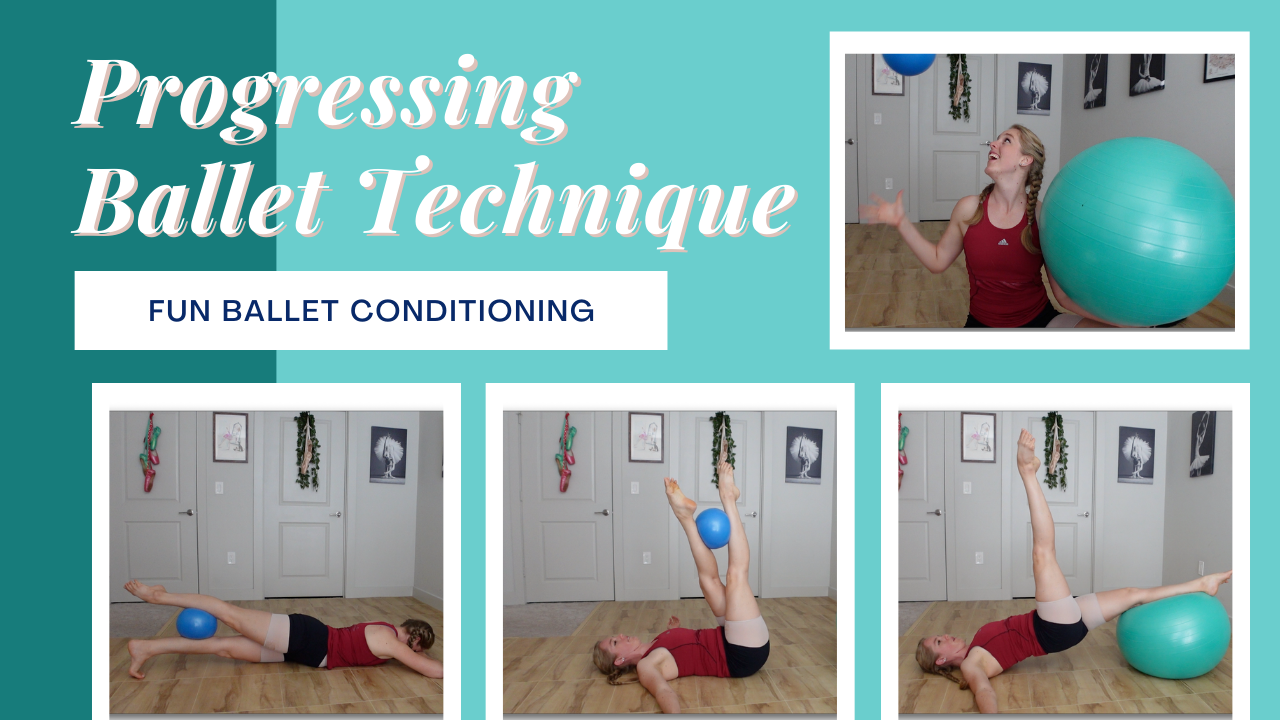
In this specialized Progressing Ballet Technique (PBT) session at Broche Ballet, we dive deep into the mechanics of leg height and stability. This 20-minute conditioning class focuses on the essential "behind-the-scenes" muscles that power beautiful ballet movements. By utilizing a large exercise ball and a smaller stability ball, you will learn to isolate the psoas and engage the core in ways that translate directly to your technique at the barre and in the center.
The workout begins with targeted core activation designed to improve your devant extensions. We focus on the "curl up" and controlled "roll down" movements to ensure your abdominal muscles are supporting your spine during high leg movements. You will learn how to maintain your turnout even when the muscles begin to fatigue, a crucial skill for any dancer aiming for higher extensions.
The instructor guides you through sets of movements involving ball lifts and leg extensions that challenge your balance and proprioception. Moving into à la seconde work, we use the rolling motion of the exercise ball to find better alignment and depth in the hip socket. This sequence emphasizes the importance of the psoas muscle.
Often called the "hidden" muscle of ballet, a strong and flexible psoas is the secret to achieving effortless leg height without gripping the quadriceps. We also incorporate attitude positions and sous-sus preparation to build the endurance needed for long adagio sequences. The use of compound exercises like the "pick up" and "switch" ensures that you are engaging multiple muscle groups simultaneously, mimicking the complexity of actual choreography.
Throughout the class, we emphasize the role of controlled breathing and the necessity of slow, deliberate movements. Rushing through conditioning often leads to poor form; here, we focus on the quality of every repetition. Proper breathwork not only powers your core engagement but also helps keep the body relaxed, reducing the risk of injury and allowing for a greater range of motion.
Join us for this focused PBT session at Broche Ballet and feel the difference in your stability and strength.