What You'll Learn
- Transitioning from two-handed support to one-handed barre work
- Proper alignment for second and fourth positions en pointe
- Executing precise échappé in fourth position using small movements
- Mastering piqué sous-sus with fluid weight transfers and pivots
- Improving foot articulation through pas de cheval and relevé
About This Video
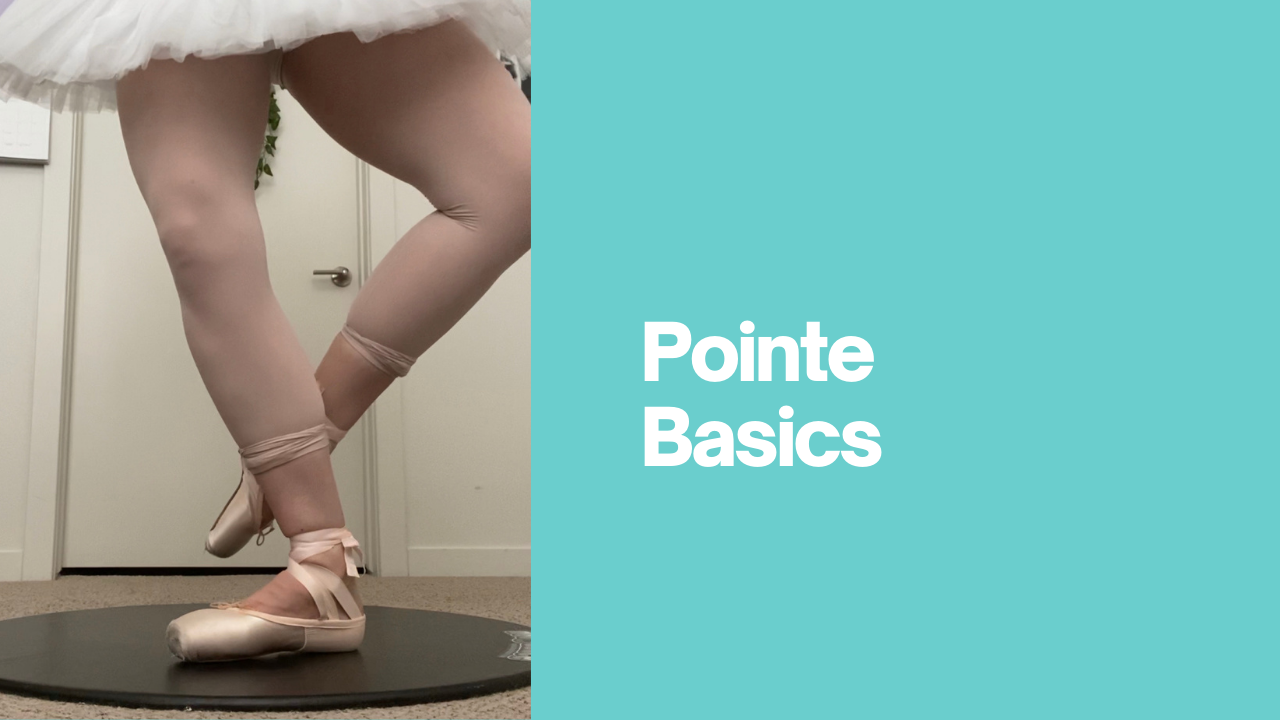
Building a solid foundation in pointe work is essential for any dancer looking to move from beginner levels into intermediate territory. " This session is specifically designed to help you transition from the security of having two hands on the barre to the increased stability and balance required for one-handed work. Our focus begins with foundational alignment.
You will learn why maintaining small, controlled positions in second and fourth position is critical when dancing en pointe. Many dancers make the mistake of taking their positions too wide, which can compromise the vertical alignment of the hips and heels. Throughout this class, we will practice keeping the heels directly under the hip bones to ensure a safe and strong relevé.
The class progresses through essential exercises including tendu, plié, and pas de cheval. These movements are not just warm-ups; they are the building blocks of foot articulation. As we move into more complex patterns, you will practice échappé in fourth position, focusing on the tiny movements necessary for a smooth execution.
We also explore the mechanics of piqué sous-sus, incorporating palm tree rolls and weight transfers that challenge your center of gravity. A key highlight of this practice is the venturing off the barre philosophy. By splitting the class between two-handed and one-handed support, you will gradually build the confidence needed for center work.
Whether you are refining your bourrée or mastering a pivot, this class provides the technical corrections and feedback necessary for growth. Join Broche Ballet as we refine your technique, build your strength, and help you feel more confident in your pointe shoes. Through consistent practice of these basics, you will find more freedom in your movement and a deeper connection to your classical ballet technique.