
What You'll Learn
- How to use the demi-pointe position to strengthen relevé and jumps
- Techniques for achieving a perfect wing shape and avoiding sickling
- The secret to a stable su-su by focusing on ankle alignment over toes
- How to maintain a heel-forward position during closures and transitions
- Muscle engagement strategies for the shins and evertors to support the arch
About This Video
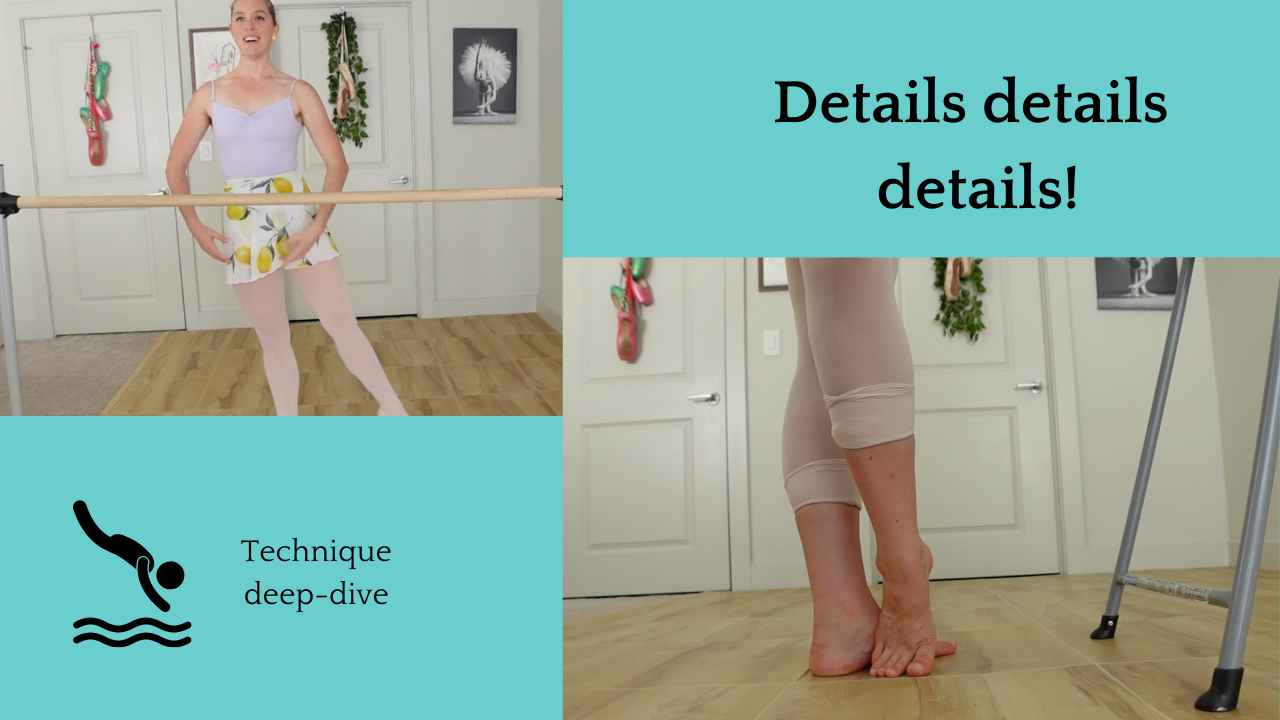
Achieving technical excellence in ballet requires a microscopic focus on the mechanics of the feet. In this Broche Ballet technique deep-dive, we move beyond the basic steps to explore the intricate shapes and alignments that define professional-level footwork. Whether you are a pre-pointe student preparing for your first pair of shoes or an experienced dancer looking to refine your line, understanding the relationship between the ankle, the shin, and the toes is essential for stability and aesthetic beauty.
The lesson begins with a focus on transitions. One of the most common errors in relevé is skipping the demi-pointe position. Our instructor explains why you must always pass through the demi-pointe on your way up and down, ensuring that you are utilizing the full range of motion in your metatarsals. This not only builds the necessary strength for pointe work but also provides the power needed for explosive jumps and the control required for soft, silent landings.
We also tackle the wing and sickle shapes. While sickling is generally avoided in ballet, this class takes a unique approach: sickling on purpose to help you find its opposite—the wing. By consciously shaping the foot, you learn how to engage the evertor muscles to create a beautiful, elongated line in positions like su-su and cou-de-pied. You will learn to think of pulling your ankles together rather than your toes, a subtle shift that dramatically improves stability and creates a cleaner silhouette.
Finally, we apply these principles to movement. You will discover how to keep the heel forward and the pinky toe back as you close into positions, preventing the common mistake of rolling or falling out of steps. By applying these footwork principles to every movement, from a simple tendu to complex allegro, you will develop the strength and precision that every dancer strives for. Join us at Broche Ballet as we dive deep into the details that make the difference.