
What You'll Learn
- How to isolate the ankle, arch, and toes for a more articulated and beautiful point
- Techniques to engage the tibialis posterior muscle for a higher, more secure relevé
- The importance of 'doming' the foot and maintaining long toes to prevent injury
- Restorative stretches to counteract foot fatigue and improve overall ankle mobility
About This Video
In this comprehensive pre-pointe session at Broche Ballet, we dive deep into the mechanics of the foot to help you achieve a more powerful passé and a higher, more stable relevé. Even if dancing en pointe isn't your ultimate goal, developing foot strength and ankle range of motion is essential for every dancer's technique and injury prevention. We begin by deconstructing the pointed foot.
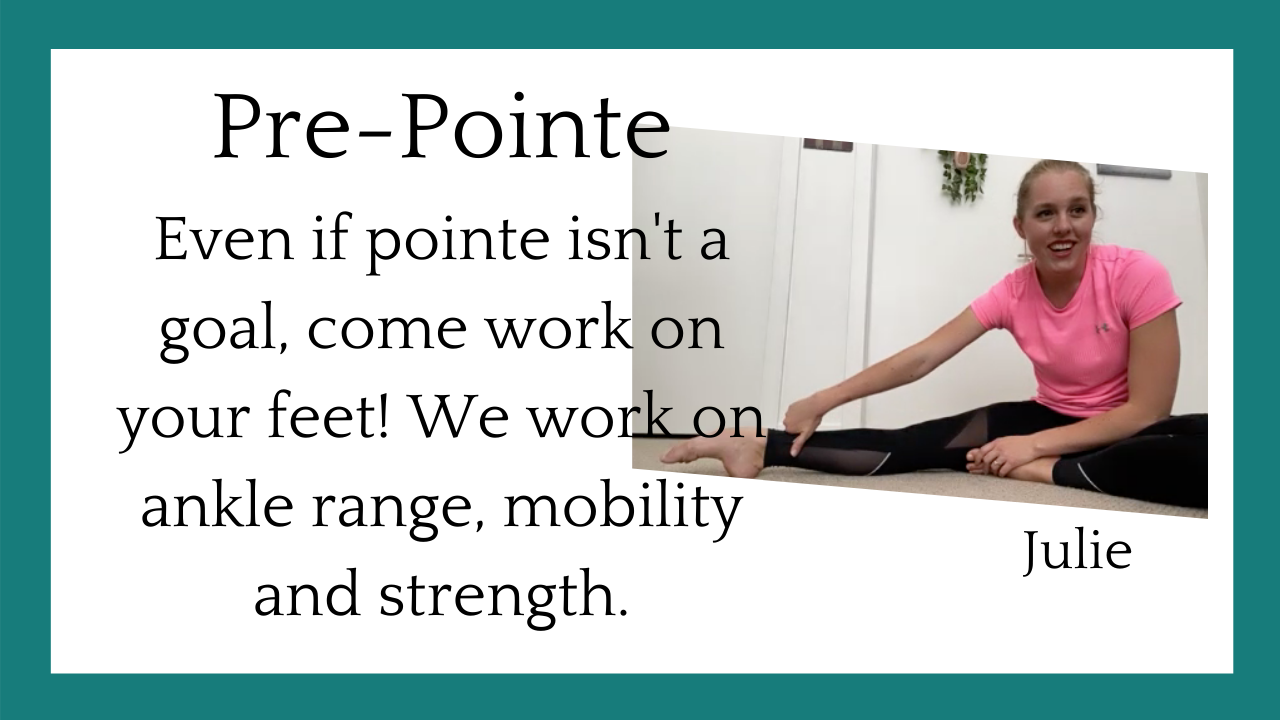
Many dancers treat the foot as a single unit, but true articulation requires isolating three distinct areas: the ankle, the arch, and the toes. Our instructor, Julie, guides you through visualization techniques to flex specific muscles, focusing particularly on the tibialis posterior. By understanding how to pull the heel and arch upward like a scroll, you can achieve that sought-after high relevé that defines a professional ballet line.
One of the key concepts discussed is doming. Unlike some other athletic disciplines where a clenched foot is common, ballet requires long toes. Scrunching the toes into the floor or inside a shoe can lead to long-term damage and actually weakens the arch.
We practice keeping the toes extended while the intrinsic muscles of the foot provide the power. This is especially critical for those transitioning to pointe shoes, where toe alignment is paramount. The class also focuses on the stability required for a powerful passé.
By engaging the correct muscles in the standing foot, you create a solid foundation that allows for greater height and balance in your positions. We conclude the session with restorative stretches. Counteracting the intense muscular work of pointing is just as important as the strength work itself.
You will learn how to sit back on your heels with tucked toes to stretch the underside of the foot, ensuring your mobility remains balanced. Whether you are preparing for your first pair of pointe shoes or simply want to improve your stability in center work, this lesson provides the anatomical insights and practical exercises needed to transform your footwork.