.png)

What You'll Learn
- Why starting pre-pointe exercises as a beginner is a safe and smart strategy.
- The importance of building foot dexterity and arch strength years before starting pointe.
- How to use daily exercises like tendu and relevé to prepare for en pointe work.
- Safety tips for identifying when your feet and ankles are ready for more advanced training.
About This Video
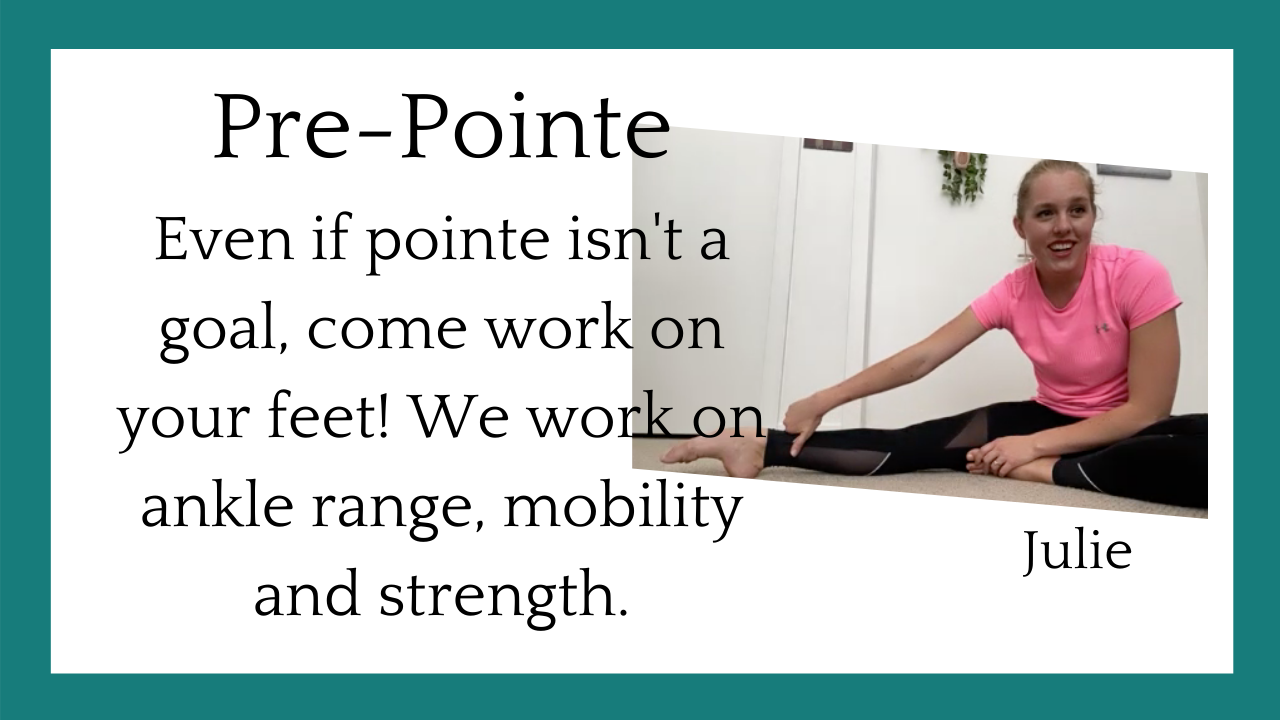
Many adult ballet dancers wonder if they need years of experience before they can even look at a pre-pointe class. At Broche Ballet, we believe it is never too early to start working on the strength and dexterity required for en pointe work. In this Q&A session, we explore why beginning these exercises early—even as an absolute beginner—is a strategic move for your long-term dance goals.
Preparing for pointe work is not just about the moment you put on the shoes; it is about the years of conditioning that come before. Developing the intrinsic muscles of the feet, the stability of the ankles, and the articulation of the toes takes time and consistent practice. By incorporating pre-pointe movements like slow tendu sequences and targeted relevé exercises into your routine now, you are building a foundation that will make your eventual transition to pointe shoes much safer and more successful.
If you wait until you feel ready for pointe to start training your feet, you might find yourself facing a significant strength gap. Starting early allows you to slowly develop the necessary control without the pressure of immediately standing on your toes. We discuss how beginner classes can and should include foot articulation and toe strength work from day one.
This proactive approach ensures that by the time your technique in the center and at the barre is ready, your feet will have the structural integrity to support you. Join us as we break down the safety considerations and the long-term benefits of early pre-pointe training, helping you move toward your ballet dreams with confidence and strength.