What You'll Learn
- How to maintain a straight neck and spine during back extensions
- The relationship between head placement and upper back flexibility
- Techniques to prevent kinks and neck pain in cambré movements
- Proper engagement of the shoulder blades for a safer arch
About This Video
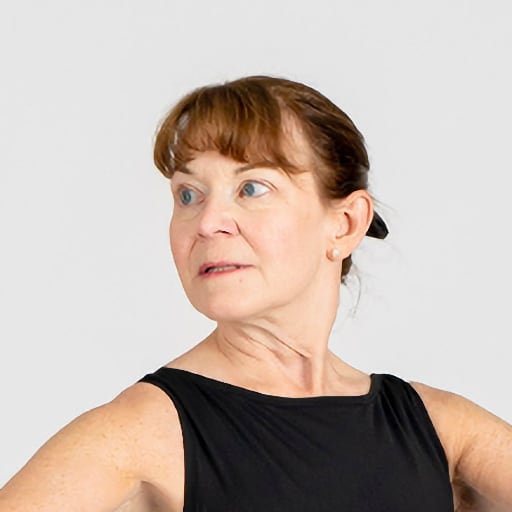
The cambré back is one of the most elegant movements in ballet, creating a beautiful line that extends through the upper body. However, many dancers struggle with discomfort or a pinching sensation in the neck when executing this back bend. In this Broche Ballet quick tidbit, we explore a simple yet transformative technical adjustment: turning the head.
Many students make the mistake of dropping the head straight back, which can lead to compression of the cervical spine and painful 'kinks' in the muscles. By learning to turn your head to the side during a cambré back, you can maintain a much safer and more aligned relationship between your neck and your spine. This technique ensures that your neck remains an extension of your vertical axis rather than becoming a hinge point for the weight of the head.
Furthermore, turning the head encourages better engagement of the upper back and shoulder blades. Instead of collapsing into the lower back or neck, the movement is distributed across the thoracic spine, allowing for a deeper and more supported arch. At Broche Ballet, we believe that understanding the 'why' behind ballet technique is the key to longevity and progress.
Whether you are practicing at the barre or performing in the center, focusing on your epaulement and head placement will not only improve your aesthetic line but also protect your body from unnecessary strain. This short tutorial provides the anatomical insights needed to transform your cambré from a point of tension into a fluid, expressive movement. Join us as we break down the mechanics of the upper back to help you dance with more confidence and ease.