
What You'll Learn
- The logic of reversing Rond de jambe patterns by swapping front and back closing positions.
- How to structure an 8-count circular port de bras with proper placement and recovery.
- Strategies for memorizing complex combinations through structural analysis.
- Tips for designing your own stretch routines and center work transitions.
About This Video
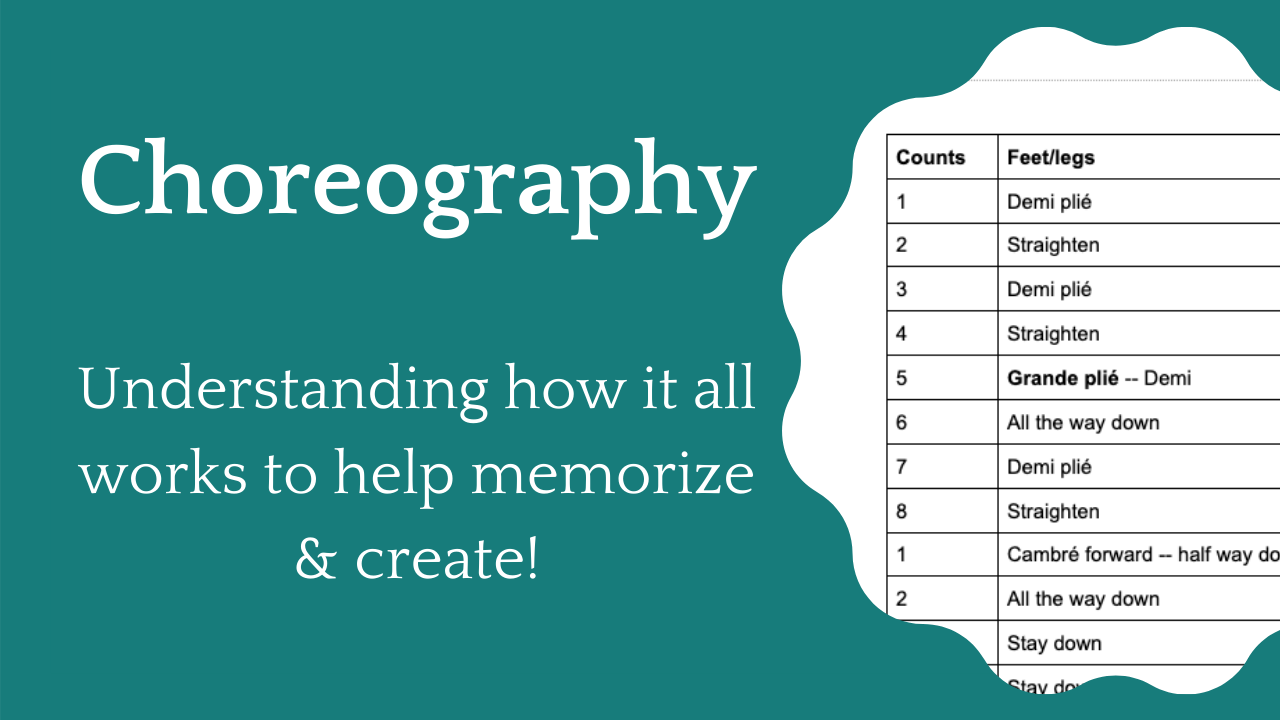
In this installment of our choreography series at Broche Ballet, we dive deep into the mechanics of the Rond de jambe combination. While many dancers focus solely on the circular motion of the leg, understanding the underlying structure of the exercise is the key to faster memorization and more fluid execution. We explore how to build a comprehensive barre sequence that balances technical precision with artistic expression.
The core of this lesson focuses on the transition between directions. You will learn the logic to reversing a pattern: maintaining the structural integrity of the movement while simply flipping the closing positions. By understanding that front becomes back and back becomes front, you can navigate complex en croix patterns without losing your place in the music.
This conceptual approach turns a series of steps into a logical flow, allowing you to focus on your turnout and alignment rather than just the next count. Beyond the leg work, we incorporate essential stretching and upper-body elements. We break down the circular port de bras—a foundational movement that requires a full 8-count phrase to execute with grace.
You will learn how to navigate the four key locations: moving through a forward cambré, finding the side stretch, reaching into the back, and finding a clean recovery. These elements are not just filler; they are vital components that prepare your body for the rigors of petite allegro and center work. Whether you are an aspiring teacher or a student looking to level up your training, this class provides the tools to design your own combinations.
We encourage you to practice alternating directions over four sets of eight counts, challenging your brain and body simultaneously. By the end of this session, you will not just be following along—you will be understanding the why behind the what in every movement.