How Do I Avoid Ballet Injuries as an Adult?
To avoid ballet injuries as an adult, prioritize progressive loading and functional strength training over aggressive stretching. Focus on proper alignment using programs like Advancing Technique to ensure movements originate from the correct muscles. Always listen to your body's daily capacity, allow for adequate recovery time, and never force turnout from the knees or ankles.
Preventing injuries as an adult dancer is not about avoiding hard work; it is about working smarter. Unlike pre-professional students, adult dancers often balance training with full-time jobs, families, and the natural physiological changes that come with age. However, with the right approach to 'dosing' your dance and focusing on foundational strength, you can enjoy a long, healthy, and vibrant ballet journey.
Respect the Principle of Progressive Loading
One of the most common causes of injury for adults is doing too much, too soon—especially when returning after a long break. Your brain often remembers the choreography and flexibility of your youth, but your tendons and ligaments need time to catch up. Programs like Gentle Return to Ballet after a Break are designed specifically for this transition. By easing back into the movements with a focus on 'dusting off the cobwebs,' you allow your tissues to adapt to the impact of jumping and the demands of turnout without triggering overuse syndromes like tendonitis.
Prioritize Strength and Cross-Training
In the past, ballet training often focused almost exclusively on stretching. Modern sports science—and our curriculum at Broche Ballet—emphasizes that strength is the best form of injury prevention. In fact, our library features extensive Q&A sessions on cross-training that dispel the myth of 'bulking.'
True strength training involves loading the muscles so they can support your joints. For example, before you start jumping, the Foundations for Jumps and Petite Allegro program builds the eccentric strength necessary to land safely. Without this strength, the impact of a jump is absorbed by your joints rather than your muscles, leading to knee and ankle issues.
Master Your Alignment and Technique
Technique is not just about aesthetics; it is a safety manual for your body. Many adult injuries occur when we try to 'cheat' a position, such as forcing turnout by twisting the knees or arching the lower back to achieve higher extensions.
Using Advancing Technique with Posture, Turnout and Ballet Lines, you can learn to engage your deep lateral rotators in the hips rather than stressing the medial collateral ligaments in your knees. Similarly, proper upper back engagement, as taught in our Extensions Foundations classes, protects the lumbar spine from the pinching sensations often felt during arabesque or penché.
Focus on Recovery and 'Body Dosing'
As an adult, your recovery time is just as important as your time at the barre. Factors like sleep quality, daily stress, and even hours spent sitting at a desk impact your injury risk. We recommend incorporating recovery tools into your routine; Physical Therapist Dr. Nina Geromel's 10-min Massage Gun Routine is an excellent resource for managing muscle tension and improving blood flow to tired tissues.
Furthermore, be mindful of your 'dosing.' If you have had a physically exhausting day at work or a poor night's sleep, your proprioception (your body's awareness in space) may be diminished. On these days, it might be safer to focus on a slow floor barre or a Gentle Stretch Flow for mobility rather than a high-intensity class.
Foot Health and Pointe Readiness
For those dreaming of pointe work, injury prevention begins years before the shoes go on. The Journey to Pointe program, which includes over 600 videos, focuses heavily on metatarsal mobility and ankle stability. Understanding your specific foot and arch type—a topic we cover in-depth with anatomical experts—allows you to choose the right exercises and footwear to prevent common issues like bunions or stress fractures.
Ballet is a marathon, not a sprint. By focusing on the Facets of Ballet curriculum and treating your body with the respect it deserves, you can build a sustainable practice. Remember, the goal is to be dancing not just next month, but for decades to come. Stay curious about your anatomy, be patient with your progress, and always prioritize the health of your joints over the height of your leg.
Next step
Related Videos
Watch classes and tutorials related to this topic
 7:22
7:22 How & Why to use a Massage Gun
 13:31
13:31 Balance Part 1: Our 3 Systems for Balance and How They Work (Sit & Learn)
 6:50
6:50 Q&A: What is Cross Training? FAQs
 56:46
56:46 Dance Longer, Stronger, and Safer: Injury Prevention, Cross-Training, and Strength for Dancers
 23:18
23:18 Lecture: Understanding Bone Density Including Safety en Pointe
 9:11
9:11 Practice Safely at Home
 50:33
50:33 Broche Banter Podcast | Season 3 - Episode 2 - Safe Practices for Adult Ballet Dancers with Veronica K, Personal Trainer & former PT Assistant + Pro Dancer
 13:42
13:42 Beginner Ballet Jumps -- Correct technique for jumping and building strength
More Programs
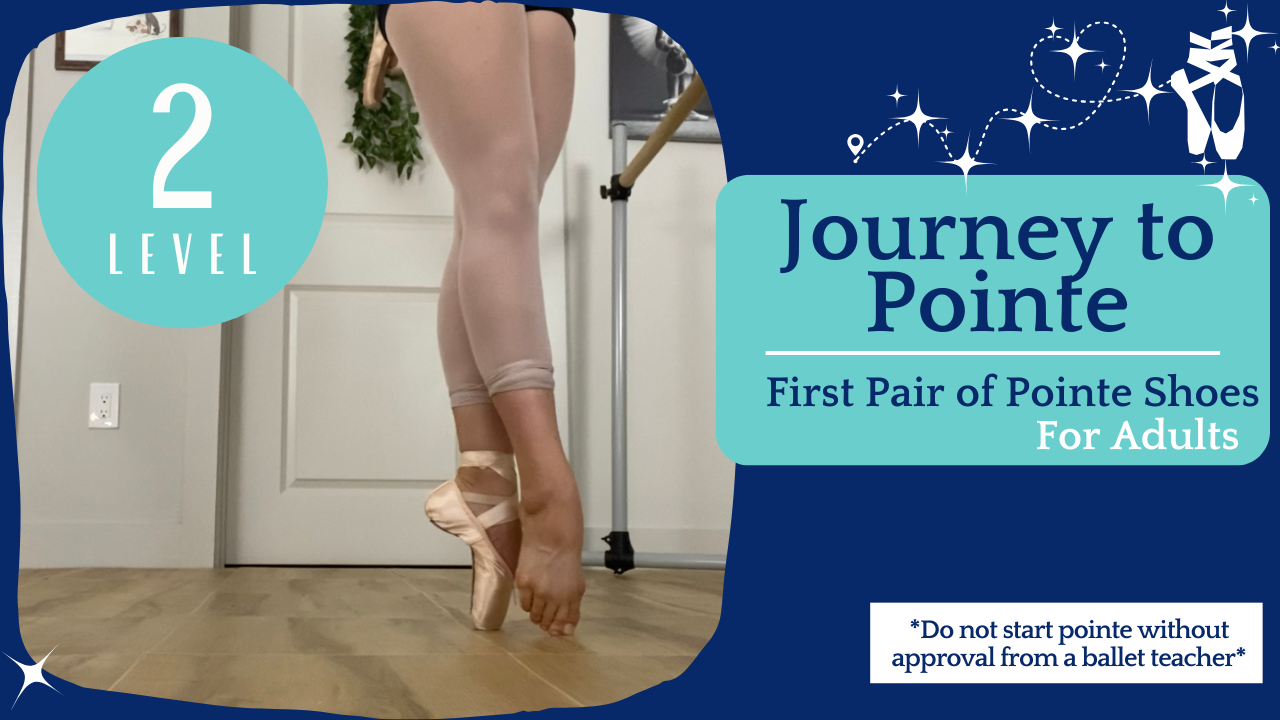
Journey to Pointe | First Pointe Shoes for Adults
The Broche Ballet Journey to Pointe will guide you every step of the way from your first day of ballet class to your first pair of pointe shoes.
637 classes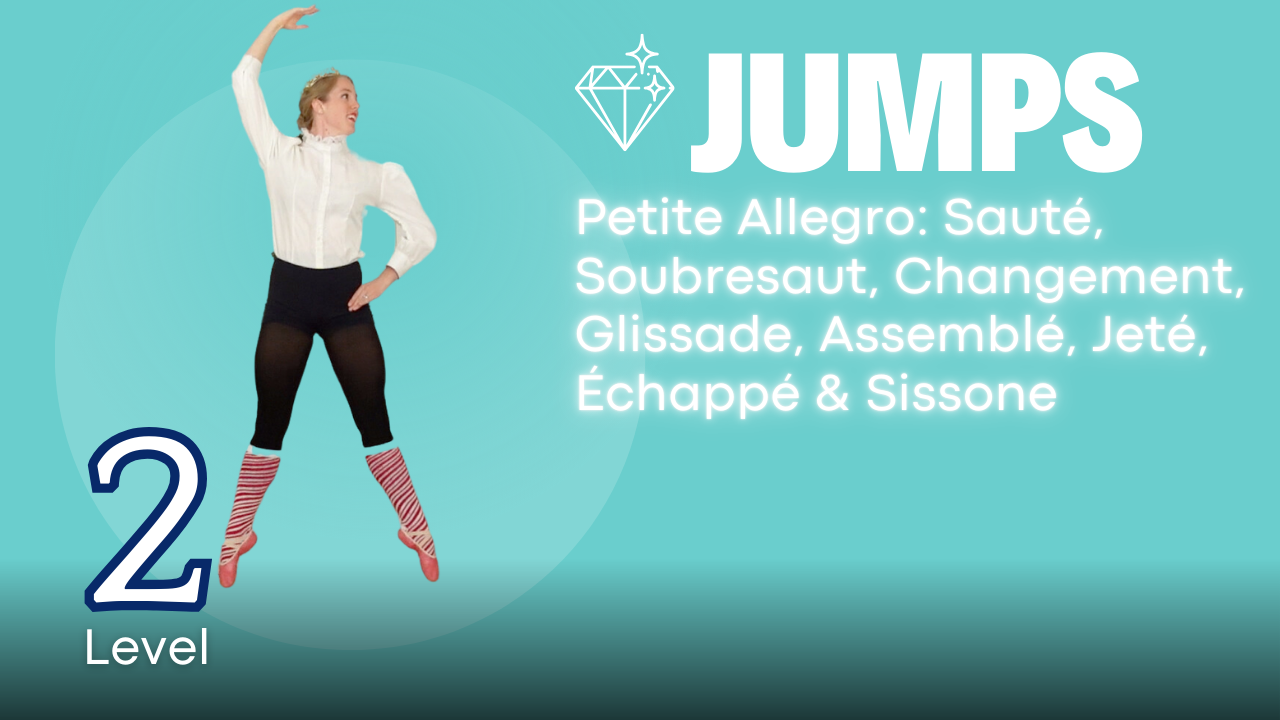
Foundations for Jumps and Petite Allegro
Build up to Jumps & learn Petite Allegro Vocabulary: Sauté, Soubresaut, Changement, Glissade, Assemblé, Jeté, Échappé & Sissone
52 classes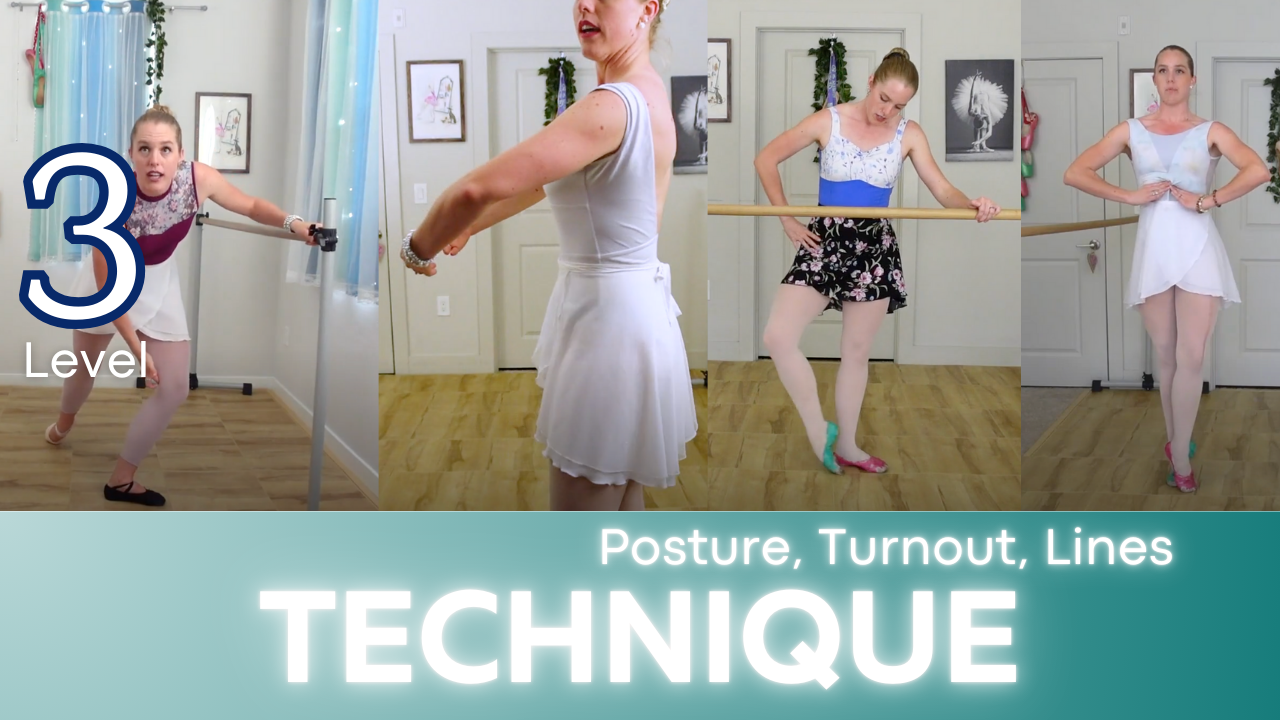
Advancing Technique with Posture, Turnout and Ballet Lines
Advancing Technique: From Head-to-Toe. Take your technique to the next level with a comprehensive, full-body approach designed to bring each part of your body into harmony. Level 3 addresses proper usage of hips, spine, Turnout, Feet, Knees, Elbows
75 classes