What cross-training helps with ballet?
Effective cross-training for ballet focuses on core stability, glute strength, and active flexibility. Modalities like Pilates (PBT), weightlifting, and targeted conditioning improve turnout, extensions, and jump power. Programs like Broche Ballet's 6-month Strength & Conditioning Calendar provide structured, short routines that fit an adult schedule while building the specific stamina and control needed for class.
Cross-training is not just an "extra" for ballet; for the adult dancer, it is the essential foundation that makes ballet possible and sustainable. While professional dancers have hours of daily class to build their technique, adult students often balance their training with careers and families. This means the time we spend outside of the studio—our cross-training—must be highly efficient and targeted to protect our joints and accelerate our progress.
The Power of Targeted Conditioning
Classical ballet requires a unique blend of extreme mobility and rock-solid stability. To achieve this, adults benefit most from conditioning that focuses on the core, the glutes, and the deep rotators of the hip. Our 6-month Strength & Conditioning Calendar (154 videos) is designed specifically for this, offering 25-minute sessions that fit into a busy schedule. These short, effective classes help you build the "ballet muscles" that standard gym workouts might miss, such as the intrinsic foot muscles and the deep six rotators.

Pilates and PBT for Turnout
One of the most effective forms of cross-training for ballet is Progressing Ballet Technique (PBT) or Pilates-based movement. These modalities focus on "inner-to-outer" strength, helping you find your deep rotators without gripping your quads. In our Intro to PBT Turn out session, we focus on abdominal engagement and hip placement. This is critical for adults because turnout should never come from the knees or ankles; it must be supported by the core and hips to prevent injury and ensure longevity in your practice.
Building Height in Extensions
If you dream of higher legs in devant (front), a la seconde (side), or arabesque (back), stretching alone isn't the answer. You need active flexibility—the strength to hold your leg at the range your flexibility allows. Our Extensions Foundations for Higher Legs (32 videos) and the Higher Arabesque Program (157 videos) tackle this by building the specific back and glute strength required to lift and hold the leg. For adults, this strength-based approach to flexibility is much safer than passive stretching, which can lead to joint instability or ligament strain.
Stamina and Cardiovascular Health
Ballet is both an aerobic and anaerobic activity. If you find yourself gasping for air after a petite allegro or a grand pirouette sequence, targeted stamina training can help. Using a Conditioning Timer - 15-min routine allows you to simulate the interval nature of ballet: bursts of high intensity followed by short rests. This type of HIIT training, adapted for dancers, ensures you have the "engine" to finish your center work with the same precision and artistry you started with at the barre.
Returning After a Break or Injury
For many adults, ballet is a journey of coming and going. Whether you are returning after a few months or several decades, your body needs a bridge back to the studio. The Gentle Return to Ballet after a Break program (24 videos) acts as this bridge, focusing on gentle spinal mobility and core activation. It acknowledges that while your brain remembers the steps, your muscles need to be "re-acquainted" with the specific demands of turnout and relevé to avoid the shocks that lead to injury.
The Consistency Key
With over 7,200 on-demand videos in the Broche Ballet library, the goal isn't to do everything at once. It's about "habit stacking"—incorporating 15 to 20 minutes of cross-training into your daily routine. Programs like The 12-Week Ballet Reset (105 videos) help you clean up your technique from the ground up, ensuring that every movement you make in class is supported by a strong, resilient body.
By prioritizing cross-training, you aren't just getting better at ballet; you are investing in your longevity as a dancer. You are building a body that can move with grace and power for years to come. Start small, stay consistent, and remember that every bit of strength you build at home will shine through the moment you step up to the barre.
Next step
Related Videos
Watch classes and tutorials related to this topic


More Programs
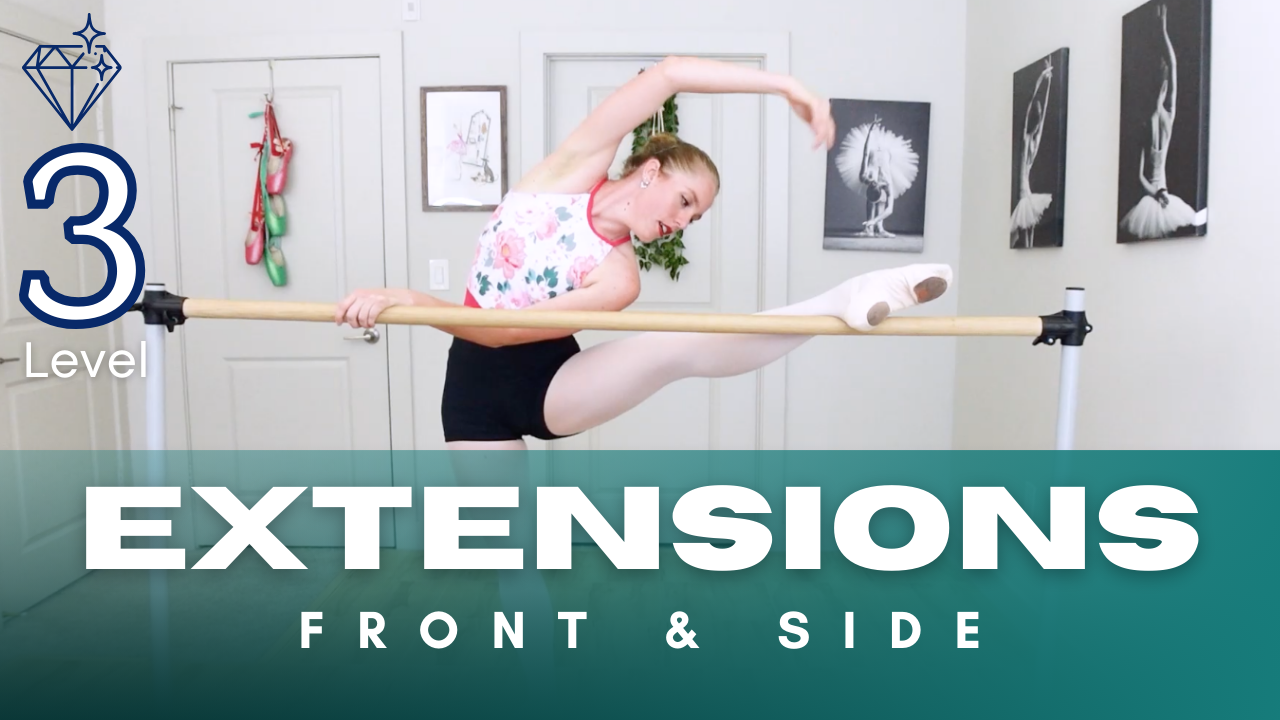
Higher Legs Front and Side - Extensions
Ready to get those legs up to the front (devant) and side (a la seconde)? Extensions, Level 3 builds on your foundational understanding of hip placement and turnout, shifting focus to achieving and maintaining greater height with strength, control, and precision.
180 classes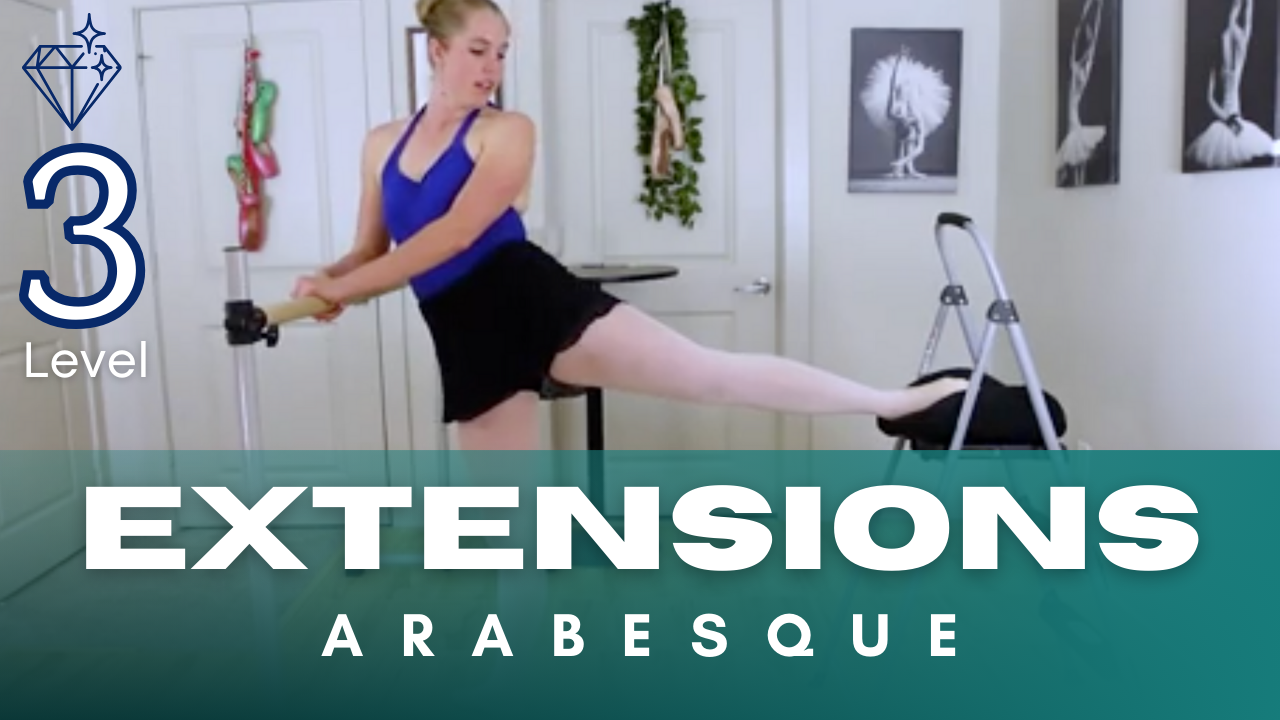
Higher Arabesque Program
Take your arabesque to soaring new heights with Extensions, Level 3 - Arabesque. This advanced program focuses on building the strength, flexibility, and technique required to achieve a higher, more elegant arabesque line. With an emphasis on alignment, turnout, and balance, you’ll refine your artistry and power in this iconic ballet pose.
157 classes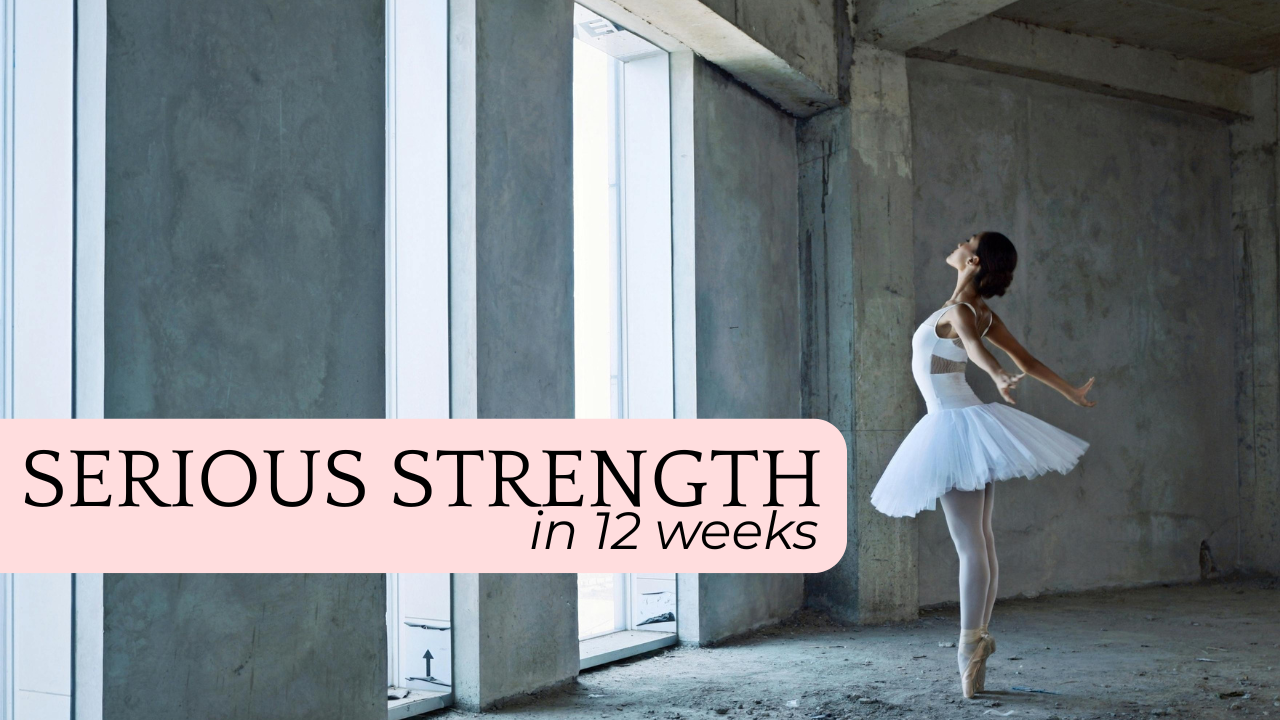
12-Weeks of Serious Strength
Ready to feel stronger, steadier, and more powerful? This full-body program combines floor work, ballet barre, and targeted exercises to develop deep muscular control and endurance. With daily, balanced sessions, you’ll build strength from head to toe, improving your posture, stability, and confidence in every movement.
118 classes