
What You'll Learn
- The mechanics of leading with the heel in a tendu to maximize turnout
- How to engage the pelvic floor and core for a stable, neutral pelvis
- Proper placement of the heel and knee in retiré and cou-de-pied positions
- Upper body alignment cues including rib placement and shoulder carriage
About This Video
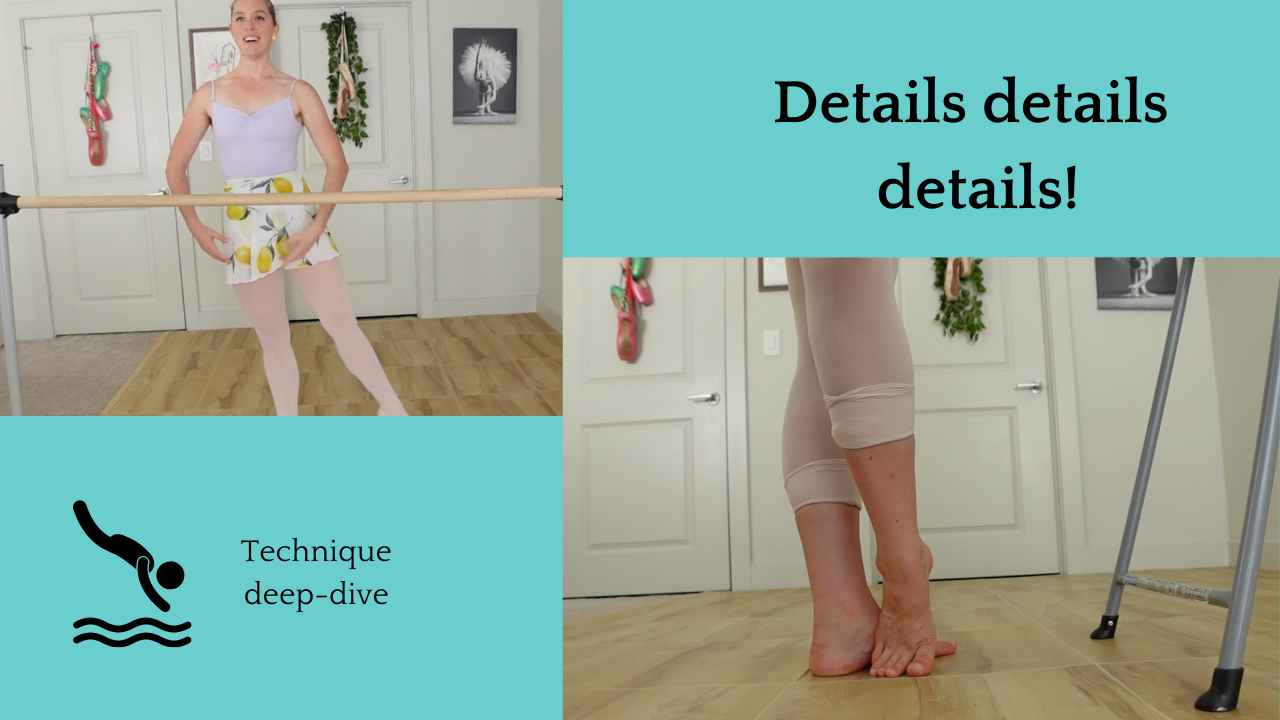
Refine your foundational skills with this comprehensive technique deep dive from Broche Ballet. In this session, we move beyond the basic steps to focus on the intricate details that transform your dancing. With two hands on the barre for maximum stability, we explore the mechanics of turnout, placement, and postural alignment to help you achieve a more professional line and stronger execution.
The class begins with a meticulous review of the tendu. You will learn that a proper tendu devant begins not with the toe, but by leading with the heel. This subtle shift in focus ensures that you are engaging the correct muscles for turnout from the very start of the movement.
We discuss how to lengthen through the back of the knee by reaching through the heel, often using a flexed foot to find extra space in the hip joint and create a more functional, elongated line. Alignment is a core pillar of this lesson. We dive deep into upper body carriage, emphasizing how to keep the ribs down and the chest wide while allowing the shoulder blades to stay down and open.
These cues are essential for maintaining a neutral pelvis and engaging the pelvic floor, providing the stability needed for more complex movements like retiré and cou-de-pied. As we progress to lifting the leg, the focus remains on placement. You will learn to keep the heel in front of the knee during a retiré to maintain turnout, and how to position the foot correctly at the ankle in cou-de-pied.
By lifting the kneecaps and maintaining long feet, you will develop the strength and awareness necessary for dancing en demi-pointe and beyond. Whether you are working on your fifth position or refining your transitions, this technical breakdown provides the 'why' behind the 'how' of ballet movement.