What You'll Learn
- How to maintain a strong lower back and shoulder blade connection to the floor during floor work.
- Techniques for engaging the core using the glutes and feet to improve overall body stabilization.
- The benefit of slow, controlled movements in seated twists and rotations for better center work.
- How to use rib cage expansion and breathing to support the upper body while maintaining a stable core.
- Effective stretching techniques for the abs and shoulders using cobra and baby cobra poses.
About This Video
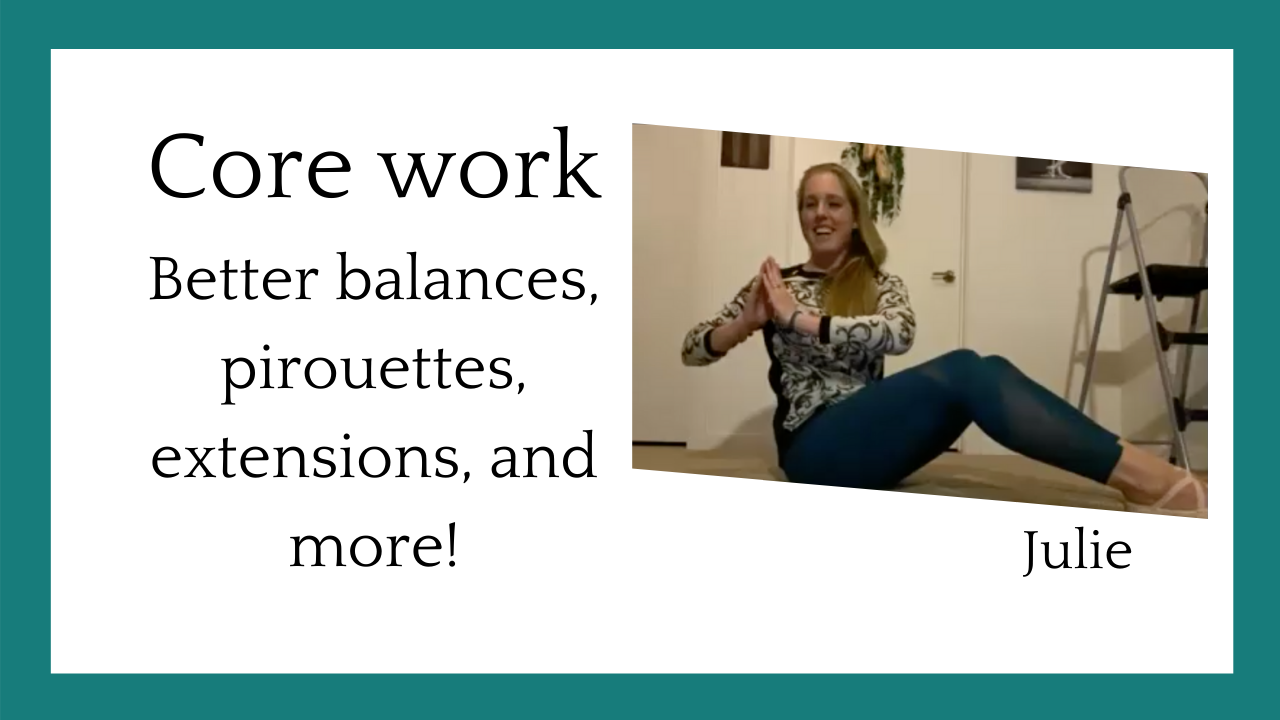
A strong core is the foundation of every movement in ballet, from the simplest plié to the most complex grand jeté. However, many dancers find traditional floor work like planks to be repetitive or taxing on the wrists and shoulders. In this unique Broche Ballet class, we dive into a non-planking core routine specifically designed to enhance your balance and stability in the center. This session focuses on the deep abdominal connection required to maintain proper alignment and support the spine through every port de bras.
We begin with exercises in a tabletop position, emphasizing the vital connection between the lower back and the floor. This "knitting" of the ribs and engagement of the transversus abdominis is what allows a dancer to remain upright and steady during a pirouette. Moving beyond static holds, we incorporate rotation and fluid movement. You will explore seated twists and the "butt pirouette," which challenge your center of gravity while seated. These movements encourage you to maintain a high fifth position (en haut) with the arms, teaching the body to find stability even when the upper body is in motion. By focusing on rib cage expansion and controlled breathing, you learn to manage your "ballet breath"—supporting the core without tension.
We also address the importance of the posterior chain. Exercises like the baby cobra and full cobra allow for a gentle stretch of the abdominal wall while strengthening the muscles of the lower back. This balance between strength and flexibility is crucial for preventing injuries and achieving a beautiful line in arabesque. By the end of this class, you will have a better understanding of how to engage your core through slow, intentional movements rather than sheer force. Whether you are practicing your relevé or working on your phrasing, the stability gained here will translate directly to your performance on the barre and in the center.