What You'll Learn
- Techniques for manual toe separation to improve bunion alignment
- How to achieve a higher demi-pointe by strengthening the arch and ankle
- Correcting foot alignment in first position to prevent rolling forward
- Stretching the blades and insides of the foot for better flexibility
- Balancing turnout with proper weight distribution over the big toe
About This Video
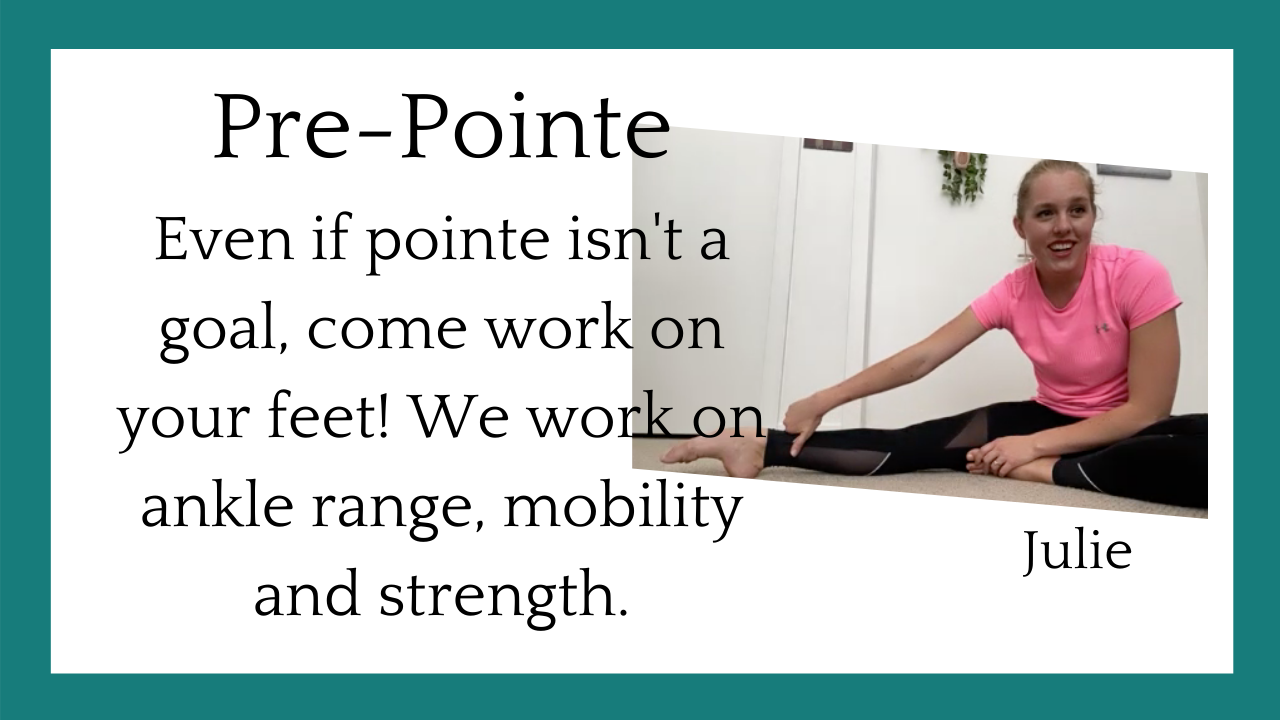
Mastering your foot alignment is a cornerstone of ballet technique, especially when navigating the challenges of bunions. In this 13-minute specialized pre-pointe practice from Broche Ballet, we dive deep into the mechanics of the foot to help you achieve a higher, more stable demi-pointe while actively managing bunion discomfort. Whether you are a total beginner or an experienced dancer, understanding how to support your arches and ankles is vital for long-term foot health and technical progress.
The class begins with essential manual separation techniques. By physically guiding the big toe into a straighter alignment, we create space in the joint and encourage the muscles to engage correctly. We then move into standing exercises in first position, where the focus shifts to weight distribution.
Many dancers inadvertently 'roll forward' on their feet to achieve more turnout, but this puts immense pressure on the big toe joint, worsening bunion issues over time. We will practice maintaining rotation from the hips while keeping the big toe aligned directly under the ankle during plié and relevé. In addition to alignment, we focus on strengthening the 'blades' of the feet and the internal arch muscles.
This strength is what allows a dancer to rise onto a high demi-pointe without the foot collapsing. We also incorporate specific stretches for the insides of the foot and the big toe to counteract the tightness often associated with bunions. By the end of this session, you will have a toolkit of exercises to help you move with more grace and less pain.
At Broche Ballet, we believe that every body can dance. This video is designed to make the complexities of foot anatomy accessible, providing you with practical corrections you can apply to every barre exercise. Consistent application of these alignment principles will not only improve your aesthetic line but also build the functional strength required for future pointe work.