How Do I Improve My Core Strength for Ballet?
Improving your ballet core requires functional stability rather than traditional crunches. Focus on engaging your transverse abdominis and pelvic floor through exercises like dead bugs, bird-dogs, and planks. Broche Ballet offers hundreds of targeted conditioning videos designed to help you connect your center to your movements, leading to better balance, higher extensions, and more controlled pirouettes.
Improving your core strength is perhaps the most transformative step an adult ballet dancer can take. In ballet, the 'core' isn't just about having visible abdominal muscles; it is the functional powerhouse that stabilizes your spine, levels your pelvis, and allows your limbs to move freely without compromising your balance. For adult dancers—especially those of us who spend much of our day sitting at desks—re-engaging these muscles is essential for both performance and injury prevention.
Understanding the Functional Ballet Core
In ballet, we rarely use the core for 'crunching' motions. Instead, we use it for isometric stability and resisting rotation. This means exercises that challenge your ability to stay still while your arms or legs move are the most effective.
Our library includes over 200 videos specifically dedicated to core and conditioning, such as the Core Work (10 minute circuit), which focuses on stability and control over speed. Exercises like dead bugs and bird-dogs teach your nervous system how to keep your ribs knit together and your pelvis neutral while your legs extend—a skill that translates directly to a stable tendu or dégagé.
Integrating Core into Your Technique
Core strength should never exist in a vacuum; it must be integrated into your ballet technique. This is a primary focus in The 12-Week Ballet Reset, where we rebuild your alignment from the ground up.
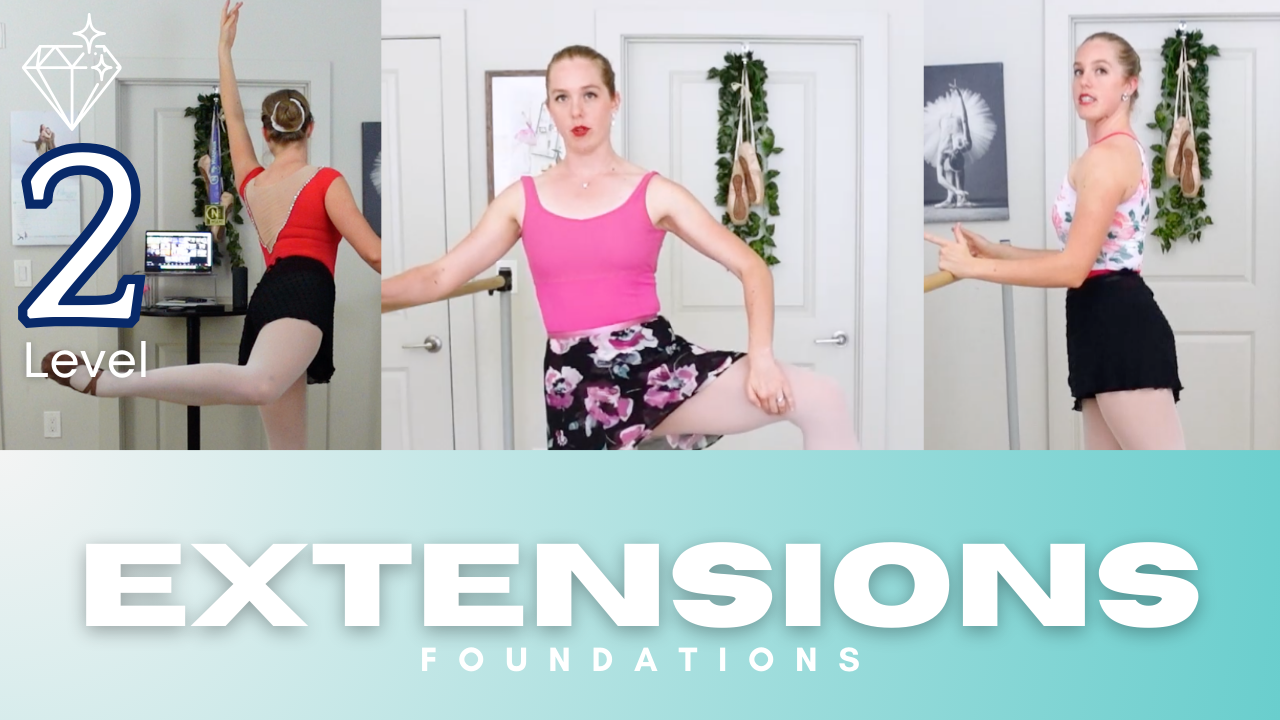
When you work on programs like Extensions Foundations for Higher Legs, you quickly realize that the height of your leg is limited by the stability of your standing side. Without a strong core to hold the pelvis in place, the hip often 'hikes' or the lower back arches, leading to strain. By strengthening the deep abdominals, you create a solid 'anchor' that allows the leg to reach its full potential in programs like Higher Legs Front and Side.
Cross-Training for Balance and Stability
Adult bodies often carry tension in the hip flexors and lower back. To counter this, your core work should include the posterior chain—the glutes and hamstrings. Our Full Body Conditioning with Dr. Nina Geromel, PT highlights how core engagement and hip stability work together.
Try incorporating these three movements into your weekly routine:
- Dead Bug Pullovers: Focus on keeping your lower back pressed into the floor as you move your limbs.
- Glute Bridges: This builds the connection between your seat and your center, essential for jumps in Foundations for Jumps and Petite Allegro.
- Inner Thigh Beats: As seen in our Core plus Inner Thigh circuits, these teach you to 'zip up' from the floor through the pelvic floor to the navel.
The Role of Breath
One common mistake adults make is holding their breath during difficult movements. This actually creates internal pressure that can push against your pelvic floor and destabilize your core. In our Pointe Technique and Balance sessions, we emphasize 'breathing for stability.' Learning to exhale through the effort of a relevé or a pirouette ensures your core remains active without becoming rigid.
Consistency Over Intensity
You do not need hour-long ab sessions to see progress. In fact, short, focused bursts are often better for the adult body. Programs like Advancing Technique with Posture, Turnout and Ballet Lines provide the structural framework to apply your new strength to every movement at the barre. Whether you are working toward Your First Pirouettes or a Higher Arabesque, remember that your center is the bridge between your upper body artistry and your lower body power. With consistent, mindful engagement, you will find a new sense of ease and height in your dancing.
Next step
Related Videos
Watch classes and tutorials related to this topic
 13:00
13:00 NON-Planking Core for Balance & Stability
 27:49
27:49 Full Body Conditioning with Dr. Nina Geromel, PT
 9:02
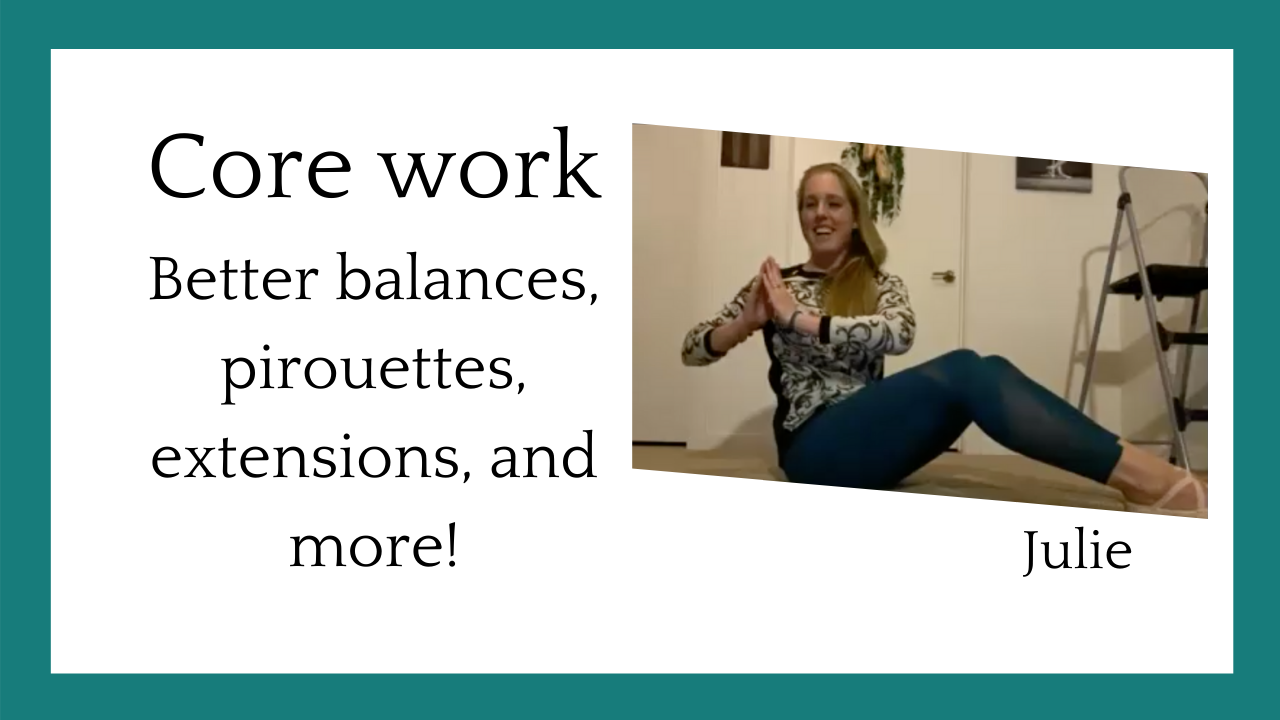
9:02 Core (10 mins, core plus inner thigh) -- Jan 23
 25:04
25:04 Beginner Ballet Center with Beautiful Adagio and Slow Details
 14:09
14:09 Gentle Core Activation and Anti-Rotation Exercises
 46:25
46:25 Technique Barre for Understanding your Ribcage, Core and Posture
 24:17
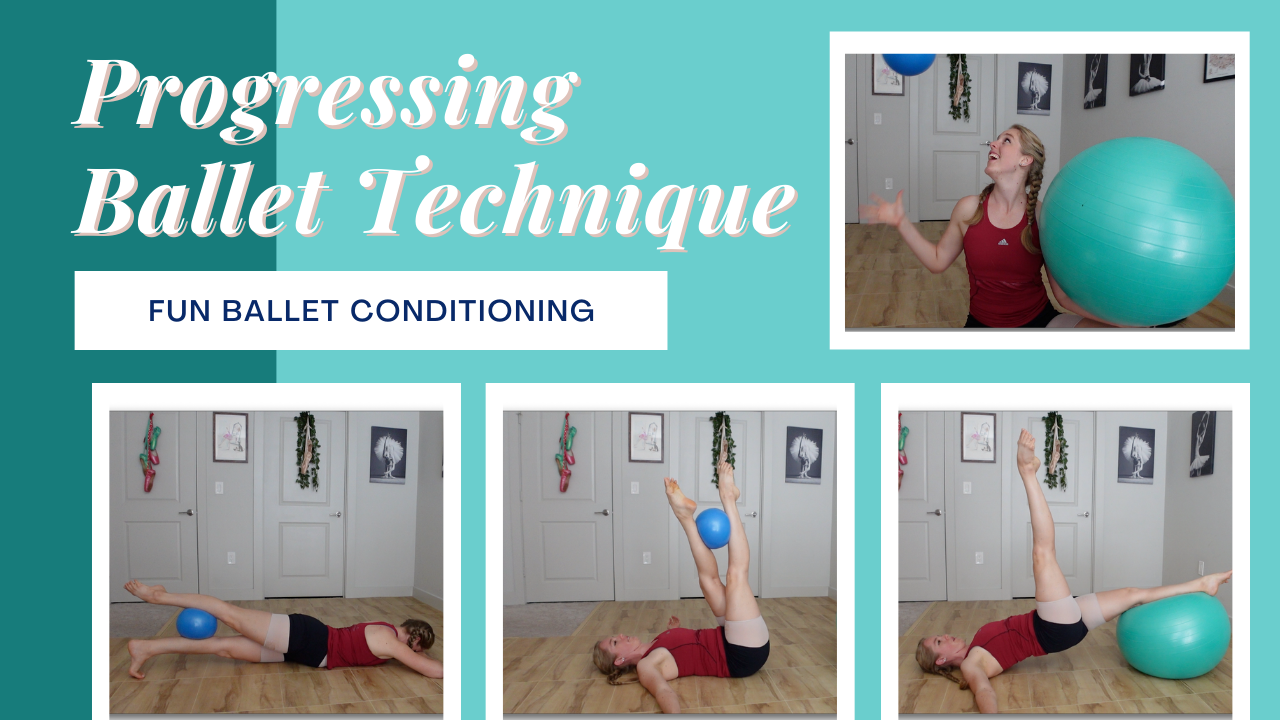
24:17 Intro to PBT Core -- Aug 15
 9:12
9:12 Planking Core for Extensions with Side Planks -- Must be comfortable weight-bearing on wrists & shoulders.
More Programs
The 12-Week Ballet Reset
Clean your technique. Rebuild your artistry. Return stronger. A full-body re-tuning for adult dancers.
105 classes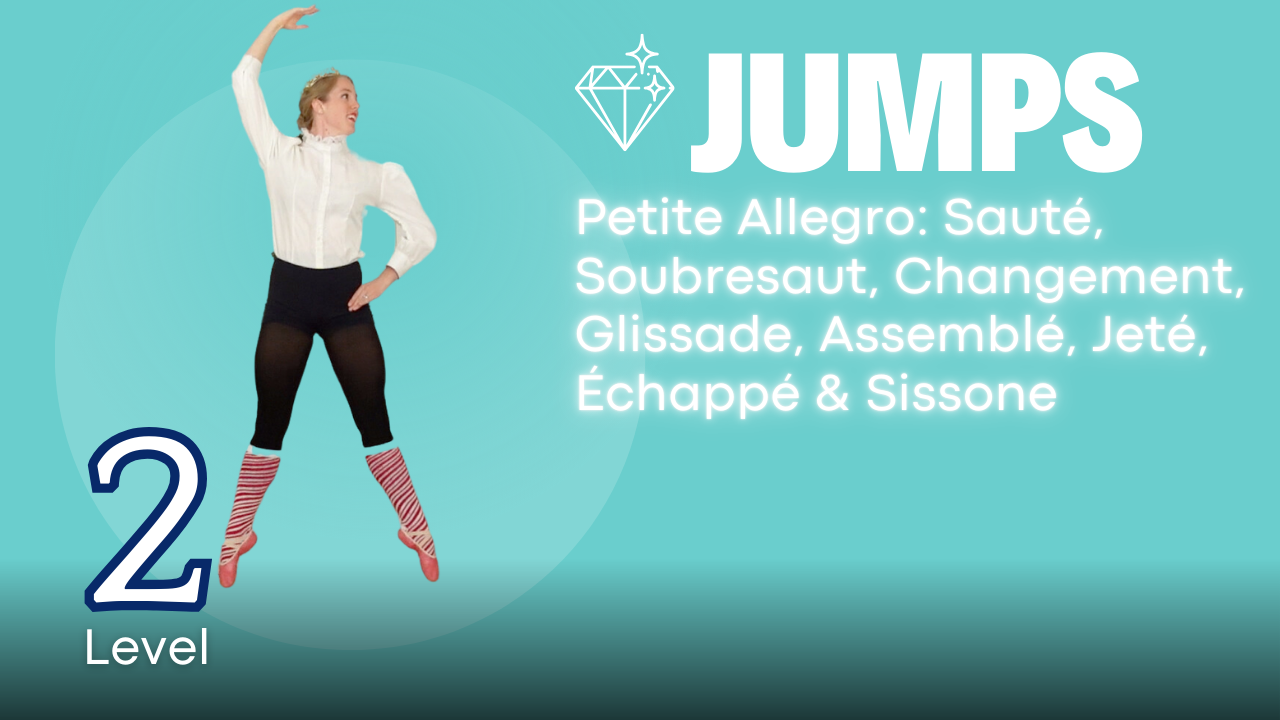
Foundations for Jumps and Petite Allegro
Build up to Jumps & learn Petite Allegro Vocabulary: Sauté, Soubresaut, Changement, Glissade, Assemblé, Jeté, Échappé & Sissone
52 classes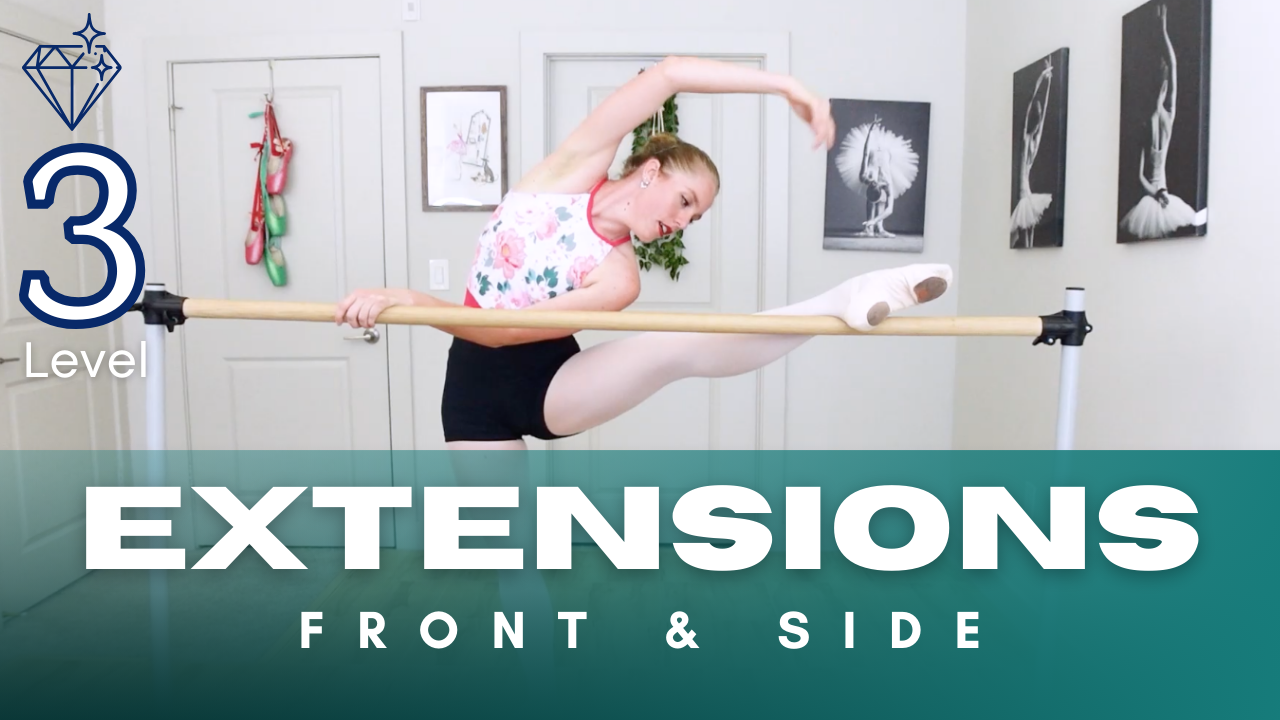
Higher Legs Front and Side - Extensions
Ready to get those legs up to the front (devant) and side (a la seconde)? Extensions, Level 3 builds on your foundational understanding of hip placement and turnout, shifting focus to achieving and maintaining greater height with strength, control, and precision.
180 classes